Call Us
Simple Solar Battery Rebate Examples for NSW Homes
If you are comparing solar batteries in Sydney, one of the first questions is usually simple: how much could the battery rebate reduce the upfront cost?
With the 2026 battery rebate structure now based on usable battery capacity and tiered STC support, the answer depends on the size of the battery you install.
That is why so many homeowners are searching for a solar battery rebate calculator NSW, solar battery calculator NSW, battery rebate calculator 2026, 14kWh battery rebate NSW, 20kWh battery rebate and solar battery savings calculator Sydney.
MPV Solar does not currently offer an online calculator tool. Instead, this calculator-style guide gives you clear worked examples so you can understand how the rebate structure applies to common battery sizes, including 10kWh, 14kWh, 20kWh and 28kWh batteries.
For an accurate rebate estimate, MPV Solar can provide a site-specific solar battery quote based on your home, existing solar system, battery size, inverter setup, switchboard condition and installation requirements.
How the Solar Battery Rebate Works in NSW in 2026
The current solar battery rebate is linked to the Cheaper Home Batteries Program and small-scale technology certificates, commonly known as STCs.
In simple terms, eligible battery systems can receive an upfront discount through STCs. The final value depends on the battery’s usable capacity, eligibility, installation date, STC value and quote structure.
From 1 May 2026, the rebate support became tiered by usable battery capacity:
| Battery usable capacity | STC factor applied |
|---|---|
| 0kWh to 14kWh | 100% |
| Above 14kWh to 28kWh | 60% |
| Above 28kWh to 50kWh. | 15% |
This means the first 14kWh receives the strongest rebate support. Any usable capacity above 14kWh receives a reduced rebate factor.
So, while a larger battery may still receive more total rebate support, the extra battery capacity above 14kWh does not receive the same level of support as the first 14kWh.
That is why choosing the right battery size matters.
Important: These Are Rebate Examples, Not a Fixed Quote
The examples below are designed to help you understand the rebate structure. They are not a final rebate amount, fixed discount or official quote.
Your actual battery rebate may vary depending on:
- The usable capacity of the battery.
- The nominal capacity of the battery.
- The approved battery model.
- The installation date.
- The STC market value.
- Your inverter setup.
- Whether your existing solar system is battery-ready.
- Whether your switchboard needs upgrading.
- Whether backup power is included.
- The final system design and quote structure.
MPV Solar can calculate your actual battery rebate estimate as part of a tailored solar battery quote.
10kWh Battery Rebate Example NSW
A 10kWh battery is a popular option for Sydney homeowners who want to store excess solar power during the day and use more of their own energy at night.
Because 10kWh sits below the 14kWh threshold, the full usable battery capacity falls into the highest rebate support tier.
Example battery size: 10kWh
Capacity in 100% tier: 10kWh
Capacity in 60% tier: 0kWh
Rebate-supported capacity: 10kWh equivalent
A 10kWh battery may suit smaller to mid-sized homes, households with moderate evening usage, or properties that already export a lot of solar power during the day.
For many Sydney homes, a 10kWh solar battery can help increase solar self-consumption, reduce reliance on grid electricity and improve the overall value of an existing solar system.
14kWh Battery Rebate Example NSW
A 14kWh battery is one of the most searched battery sizes in 2026 because it sits right at the top of the 100% rebate support tier.
That means the full 14kWh of eligible usable capacity may receive the highest STC factor.
Example battery size: 14kWh
Capacity in 100% tier: 14kWh
Capacity in 60% tier: 0kWh
Rebate-supported capacity: 14kWh equivalent
This is why searches for 14kWh battery rebate NSW are becoming more common. Homeowners want to know whether a 14kWh battery provides the best balance between rebate support, usable storage and upfront cost.
A 14kWh battery may suit families with higher evening energy use, work-from-home households, pool pumps, ducted air conditioning, larger solar systems or plans to add an EV charger in the future.
20kWh Battery Rebate Example NSW
A 20kWh battery gives you more storage capacity, but not all of that capacity receives the same rebate factor.
The first 14kWh receives the 100% factor. The remaining 6kWh sits in the second tier and receives the 60% factor.
Example battery size: 20kWh
Capacity in 100% tier: 14kWh
Capacity in 60% tier: 6kWh
Rebate-supported capacity: 17.6 kWh equivalent
Example calculation:
14kWh at 100% = 14kWh equivalent
6kWh at 60% = 3.6kWh equivalent
Total rebate-supported capacity = 17.6kWh equivalent
This is why a 20kWh battery rebate is not simply double the support of a 10kWh battery. The larger system may still receive more total support, but the extra capacity above 14kWh receives a reduced factor.
A 20kWh battery may suit larger Sydney homes, high energy users, households with larger solar systems, families using more power after sunset or properties preparing for future EV charging.
28kWh Battery Rebate Example NSW
A 28kWh battery sits at the upper end of the second rebate tier. It may be considered by very high-use households, larger properties, small businesses or homes with significant solar generation.
The first 14kWh receives the 100% factor. The next 14kWh receives the 60% factor.
Example battery size: 28kWh
Capacity in 100% tier: 14kWh
Capacity in 60% tier: 14kWh
Rebate-supported capacity: 22.4kWh equivalent.
Example calculation:
14kWh at 100% = 14kWh equivalent
14kWh at 60% = 8.4kWh equivalent
Total rebate-supported capacity = 22.4kWh equivalent
A 28kWh battery can provide a large amount of storage, but it needs to be sized carefully. Bigger is not always better if your solar system cannot charge the battery properly or your property does not use enough energy to justify the additional capacity.
MPV Solar can review your electricity usage, solar generation, tariff structure and future energy plans to help determine whether a 28kWh battery makes sense.
Quick Comparison: 10kWh vs 14kWh vs 20kWh vs 28kWh Battery Rebate
The main takeaway is simple: the rebate does not increase evenly as battery size increases.
A 14kWh battery receives the 100% factor across the full eligible usable capacity. A 20kWh or 28kWh battery may still receive more total support, but the extra capacity above 14kWh receives a lower rebate factor.
This is why a proper solar battery savings calculator Sydney style assessment should look at both rebate value and real energy usage.
Is a Bigger Solar Battery Worth It?
A larger battery may be worth it if your home produces enough excess solar power and uses enough electricity outside daylight hours.
A bigger battery may suit you if you:
- Use a lot of power in the evening.
- Have a larger solar system.
- Export excess solar during the day.
- Run pool pumps, ducted air conditioning or high-use appliances.
- Work from home.
- Plan to add an EV charger.
- Want more stored energy available overnight.
- Want to reduce grid reliance further.
However, a bigger battery is not always the best financial choice.
If your solar system is too small to charge the battery properly, or your household does not use much power after sunset, a smaller battery may deliver better value.
The best solar battery system is not always the largest one. It is the one that matches your solar production, energy usage and long-term goals.
What Affects Your Final Solar Battery Rebate?
Your final battery rebate may be affected by several factors, including the battery model, usable battery capacity, installation date, STC value, inverter compatibility, switchboard requirements and whether the system meets eligibility requirements.
For example, two homes may both install a 14kWh battery, but the final quote may differ because of site conditions, electrical work, inverter setup or installation complexity.
That is why generic estimates can only go so far.
MPV Solar can provide a more accurate solar battery rebate estimate by reviewing your actual home, roof layout, existing solar system, energy usage and installation requirements.
Can You Add a Battery to an Existing Solar System?
Yes, many Sydney homeowners can add a battery to an existing solar system, but the system needs to be checked first.
Before adding a battery, MPV Solar will usually assess:
- Your existing solar inverter.
- Your solar panel system size.
- Your switchboard.
- Your current energy usage.
- Your available installation space.
- Your monitoring setup.
- Whether backup power is required.
- Whether your system is compatible with your preferred battery.
In some cases, your existing solar system may be battery-ready. In other cases, you may need an inverter upgrade, switchboard work or a different battery configuration.
Can You Get the Battery Rebate Without Solar Panels?
No. The battery must be connected to a new or existing solar PV system.
If you do not already have solar panels, MPV Solar can design a complete solar and battery system for your Sydney property.
If you already have solar, MPV Solar can assess whether your current system is suitable for a battery and whether the rebate may apply.
Can You Combine the Battery Rebate With a VPP Incentive?
In some cases, eligible households and small businesses may be able to access a Virtual Power Plant incentive as well as the battery rebate.
A Virtual Power Plant, or VPP, allows your battery to be connected with other batteries so stored energy can be shared with the grid during peak demand periods. In return, you may receive an upfront incentive, ongoing credits or other benefits, depending on the provider and plan.
Before joining a VPP, it is important to understand the terms. You should check how often your battery can be accessed, how much energy can be used, whether backup reserve settings are available and how payments or credits are calculated.
A VPP can improve the overall return on a battery, but it is not right for everyone.
What Battery Size Should You Choose?
As a general guide:
A 10kWh battery may suit smaller to mid-sized homes with moderate evening usage.
A 14kWh battery may suit households wanting a strong balance of rebate support, storage capacity and value.
A 20kWh battery may suit larger homes, higher energy users or households planning for EV charging.
A 28kWh battery may suit very high-use homes, larger properties, small businesses or sites with significant solar generation.
The right battery size depends on how much energy you use, when you use it and how much excess solar your system produces.
Why Choose MPV Solar for Battery Installation in Sydney?
MPV Solar provides professional solar battery installation across Sydney, helping homeowners and businesses choose battery systems that are practical, compliant and designed around real energy use.
As part of MPV Group, MPV Solar brings together solar and electrical expertise under one team. That matters because a battery installation is not just about choosing a battery size. It also involves inverter compatibility, switchboard suitability, electrical safety, backup design, monitoring and long-term performance.
MPV Solar can help you compare battery options, understand your rebate estimate and install a system that suits your property.
Get a Solar Battery Rebate Estimate for Your Sydney Home
If you are comparing 10kWh, 14kWh, 20kWh or 28kWh batteries, MPV Solar can help you understand the rebate structure and what it could mean for your home.
Before choosing a battery, get the numbers checked properly.
Talk to MPV Solar today for a solar battery rebate estimate and battery installation quote for your Sydney home or business.
Complete Solar Solutions
Solar Installations, Repairs & Cleaning Across Sydney
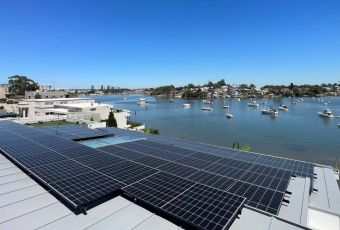
Solar Installations
Professional solar panel installation in Sydney for homes, businesses and strata properties.
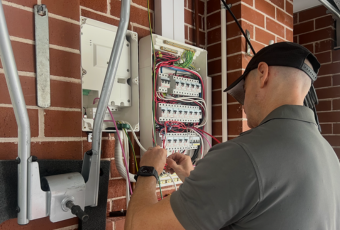
Solar Repairs
Reliable solar repairs in Sydney to fix faults, improve performance and keep your solar system working safely.
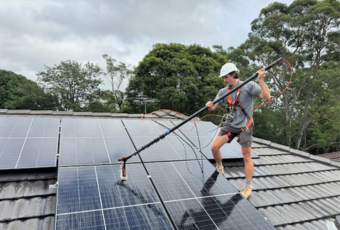
Solar Cleaning
Professional solar panel cleaning in Sydney to help improve efficiency, output and long-term system performance.
FAQs Solar Battery Rebate Calculator NSW
insert text here
Is there an online MPV Solar battery rebate calculator?
MPV Solar does not currently offer an online battery rebate calculator. However, this guide provides clear 10kWh, 14kWh, 20kWh and 28kWh battery rebate examples to help you understand how the 2026 rebate structure works. For an accurate estimate, MPV Solar can calculate your rebate as part of a tailored battery quote.
How do I calculate the NSW solar battery rebate in 2026?
To estimate the NSW solar battery rebate, start with the usable capacity of the battery. The first 14kWh receives the 100% factor, the portion above 14kWh and up to 28kWh receives the 60% factor, and the portion above 28kWh and up to 50kWh receives the 15% factor. The final dollar value depends on STC calculations, STC value, product eligibility and installation details.
What is the best battery size for the 2026 rebate?
A 14kWh battery is an important size to compare because it sits at the top of the 100% rebate support tier. However, the best battery size depends on your solar production, evening usage, household size, tariff and future plans. A 10kWh, 20kWh or 28kWh battery may be better depending on your property.
How much rebate does a 10kWh battery get in NSW?
A 10kWh battery sits within the first rebate tier, so the full eligible usable capacity receives the 100% factor. The final rebate value depends on the battery model, STC value, installation date and quote structure.
How does the 14kWh battery rebate work in NSW?
A 14kWh battery sits at the top of the 100% rebate factor tier. This means the full 14kWh of eligible usable capacity may receive the highest level of support, subject to the battery and installation meeting program requirements.
How is a 20kWh battery rebate calculated?
For a 20kWh battery, the first 14kWh receives the 100% factor and the remaining 6kWh receives the 60% factor. This gives an estimated rebate-supported capacity of 17.6kWh equivalent before the STC value and quote calculations are applied.
How is a 28kWh battery rebate calculated?
For a 28kWh battery, the first 14kWh receives the 100% factor and the next 14kWh receives the 60% factor. This gives an estimated rebate-supported capacity of 22.4kWh equivalent before the STC value and quote calculations are applied.
Can I get the battery rebate if I already have solar?
Yes, eligible batteries can be connected to an existing solar PV system. MPV Solar can assess whether your current solar system is battery-ready and whether your inverter, switchboard and system size are suitable.
Can I get a battery rebate without solar panels?
No. The battery must be connected to a new or existing solar PV system. Batteries installed without solar PV are not eligible for the battery rebate.
Is a solar battery worth it in Sydney in 2026?
In some cases, yes. Eligible NSW households and small businesses may be able to access a VPP incentive when connecting a compatible battery to a participating Virtual Power Plant provider. The terms vary depending on the provider, battery model and contract.
Can I combine the battery rebate with a VPP incentive?
A solar battery can be worth it for Sydney homes that produce excess solar power during the day and use a lot of electricity at night. The rebate can help reduce upfront cost, but the best return depends on battery sizing, electricity tariffs, solar production and installation quality.
Do I need a new inverter for a solar battery?
Not always. Some existing solar systems can be paired with a battery using the right battery inverter or hybrid inverter setup. MPV Solar can check your existing system and explain whether your inverter is compatible.
Can a battery provide blackout protection?
Some batteries can provide backup power during an outage, but backup is not automatic with every battery installation. If blackout protection is important, your system needs to be designed with the correct backup circuits and battery configuration.
Who installs solar batteries in Sydney?
MPV Solar installs solar battery systems across Sydney for homes and businesses. The team can assess your property, compare suitable battery sizes, explain rebate estimates and install a compliant solar battery system designed around your energy use.
Blog
Related articles
Catch up on the latest MPV Solar news and insights.



MPV Solar is committed to providing industry-leading solar energy solutions across Sydney, backed by a proven track record of successfully completing over 5,000 projects. As a family-owned business, we prioritise personalised service and truly value our clients, ensuring that each system is tailored to meet your unique energy needs.
Copyright 2026. All Rights Reserved.
Created by Codex Digital and Yakka Consulting
Get in Touch
MPV Solar
Unit 3, 43-51 College St,
Gladesville NSW 2111
info@mpvgroup.com.au
(02) 9817 0333
Monday – Friday
8:30 – 5:00pm