Call Us
Is the Number in Your Solar App Good?
If your solar monitoring app says your system generated 22 kWh, 35 kWh or 48 kWh today, how do you know whether that’s good? This is one of the most useful numbers a solar owner can understand.
Your daily solar generation tells you how much electrical energy your system produced across the entire day. But there isn’t one number your solar system should hit every day. Solar generation naturally changes according to:
- system size
- time of year
- cloud cover
- roof direction and tilt
- shading
- panel temperature
- panel cleanliness
- inverter performance
- system age and condition
Average Solar Output Per Day in Sydney
Using the Australian Government’s Sydney benchmark, a rough annual-average guide looks like this:
| Solar system size | Approx. average daily output in Sydney |
|---|---|
| 6.6kW | ~26 kWh/day |
| 8kW | ~32 kWh/day |
| 10kW | ~40 kWh/day |
| 13.2kW | ~53 kWh/day |
These are indicative annual averages.
On a clear, well-performing day your system may generate more. On a cloudy winter day it may generate considerably less. Your system should therefore be assessed over time rather than judging its health based on one day’s generation.
How Many kWh Should a 6.6kW Solar System Produce Per Day in Sydney?
A 6.6kW solar system in Sydney can produce around 26 kWh per day on average across the year under suitable conditions. However, don’t expect exactly 26 kWh every day.
Summer generation may be considerably higher, while winter, cloudy weather, shading or unfavourable roof orientation can reduce output. MPV Solar already has a detailed guide explaining why 6.6kW solar systems are so common in Sydney.
How Much Should an 8kW Solar System Produce Per Day?
As a broad Sydney annual-average estimate, an 8kW solar system may generate around 32 kWh per day. If your actual panel capacity is slightly higher, such as an 8.4kW array, expected generation would also be slightly higher.
MPV Solar’s current residential solar packages, for example, list average daily production figures around 32–34 kWh for its approximately 8.4kW configurations. Again, this isn’t a number the system should reach every single day.
What matters is whether production broadly tracks what would reasonably be expected for that particular system, roof and time of year.
How Many kWh Should a 10kW Solar System Produce Per Day in Sydney?
A 10kW solar system in Sydney may generate around 40 kWh per day as an annual-average benchmark. Some days will be significantly higher. Others will be lower.
A north-facing, unshaded installation with good panel exposure is likely to perform differently from a system spread across east- and west-facing roof sections or affected by significant afternoon shading.
Your inverter capacity and system design can also influence the generation profile.
How Much Should a 13.2kW Solar System Produce Per Day in Sydney?
A 13.2kW solar system can produce roughly 53 kWh per day in Sydney when using the 4 kWh-per-kW annual-average benchmark. MPV Solar’s own 13.2kW residential package lists an average daily output of approximately 52 kWh, which aligns closely with that benchmark.
Larger systems are increasingly relevant for households with higher energy requirements, including homes using:
- battery storage
- electric vehicles
- pool equipment
- air conditioning
- electric hot water
- induction cooking
- other electrified-home loads
But system size alone does not determine performance.
Why Doesn’t My 6.6kW System Produce 6.6kW All Day?
This is a really common point of confusion. kW and kWh measure different things.
kW describes power at a particular moment.
kWh describes the amount of energy generated over time.
So when your system is called a 6.6kW solar system, that does not mean it should produce 6.6kW continuously from sunrise to sunset.
Solar output rises through the morning, usually peaks around the stronger sunlight hours and then falls again in the afternoon.
A typical 6.6kW residential array may also be connected to a 5kW inverter, meaning its instantaneous AC output cannot exceed the inverter’s capacity even though the panels total 6.6kW. The more useful number for many homeowners is therefore the total kWh generated across the day.
Why Is My Solar Output Higher Some Days Than Others?
Daily variation is completely normal. Solar panels don’t receive the same amount of usable sunlight every day. A bright, clear spring day can produce very different results from:
- heavy cloud
- rain
- smoke or haze
- short winter days
- extreme summer heat
Rather than comparing Monday with Tuesday, it is often more useful to look for broader trends.
Ask:
- Is this month’s output similar to the same time last year?
- Has generation suddenly dropped without an obvious weather explanation?
- Are previously strong sunny days now producing noticeably less?
A sustained unexplained decline is more useful diagnostically than one poor solar day.
How Does Season Affect Solar Output in Sydney?
Season makes a substantial difference. Sydney solar systems generally produce more electricity during periods with longer daylight hours and stronger solar exposure. Winter usually brings:
- shorter days
- a lower sun angle
- longer shadows
- reduced generation windows
Panels still work perfectly well in cooler temperatures. In fact, extreme panel heat can slightly reduce efficiency. The bigger winter limitation is simply having less available sunlight across the day.
If you’re comparing winter figures in your monitoring app, read MPV Solar’s Do Solar Panels Work in Winter in Sydney? guide.
Does Roof Direction Affect Daily Solar Output?
Yes. The direction your solar panels face affects when they receive their strongest sunlight and can also influence total daily generation.
In Sydney:
North-facing solar generally provides strong generation across the middle of the day.
East-facing solar tends to produce more electricity earlier in the morning.
West-facing solar tends to shift more generation into the afternoon.
A system spread across east and west roof faces may have a broader production curve than a north-facing system. So two neighbours can both have 10kW solar systems but see different daily generation patterns in their monitoring apps. Neither system is necessarily faulty.
Can Shading Reduce Solar Output?
Absolutely. Shading from:
- trees
- chimneys
- neighbouring buildings
- roof structures
- antennas
- newly constructed developments
can reduce the sunlight reaching your panels.
Shading can also change over time. A tree that barely affected your system when it was installed may cast considerably more shade several years later. If your annual generation appears to be falling gradually, changing site conditions should be considered alongside equipment performance.
Does Hot Weather Reduce Solar Panel Output?
Yes, slightly. Solar panels need sunlight, but that doesn’t mean they love extreme heat. As panel temperature rises, solar panel efficiency can fall.
That means a very hot summer day doesn’t necessarily produce the highest output of the year. A clear, sunny but cooler day can sometimes provide excellent solar generation because there is strong sunlight without extreme panel temperatures.
Can Dirty Solar Panels Reduce Daily Output?
Yes. Dirt, dust, bird droppings, leaves, salt residue and other debris can reduce the amount of sunlight reaching solar cells. How much this affects your particular system depends on:
- roof pitch
- local environment
- rainfall
- nearby trees
- bird activity
- road pollution
- coastal exposure
A sudden drop in production shouldn’t automatically be blamed on dirt, but heavily soiled panels can contribute to lower generation.
MPV Solar provides solar maintenance and professional panel cleaning in Sydney for systems that need inspection, servicing or cleaning.
Why Is My Solar Output Lower Than It Used to Be?
There are many possible causes. Some are completely normal. Others can indicate a problem.
Lower output may result from seasonal variation, cloudy weather, shading or dirt. But sustained underperformance can also be associated with:
- inverter faults
- faulty panels
- damaged components
- wiring problems
- system shutdowns
- communication or monitoring faults
- ageing equipment
- failed optimisers or microinverters
- electrical issues
If production drops suddenly and stays low despite good weather, it is worth investigating.
MPV Solar’s Residential Solar Panel & Inverter Repair Specialists can inspect systems that are producing less energy than expected.
Could My Solar App Be Showing the Wrong Number?
Potentially. Your monitoring app relies on information being sent from your inverter or monitoring equipment. If there is a communications problem, the app may show:
- missing generation
- old data
- zero output
- an offline system
- incomplete daily totals
That doesn’t always mean the panels themselves have stopped generating. Before assuming the system is underperforming, check whether the app is actually receiving current data.
If your monitoring platform says the inverter is offline or has stopped updating, there may be an internet, communications or inverter issue rather than a panel-output problem.
What Is a Good Solar Day in Sydney?
There isn’t one universal number. A “good” day depends on the system.
For a 6.6kW system, 25–30 kWh might look healthy in suitable conditions.
For a 13.2kW system, that same output would warrant a very different interpretation.
The best benchmark is therefore: your system size + your system design + the season + the weather + your historical performance
Monitoring becomes particularly powerful once you have several months or years of historical data. Instead of comparing your home with somebody else’s, you can compare your system against itself.
Why Is My System Producing Less Than the Sydney Average?
Being below the 4 kWh-per-kW benchmark doesn’t automatically mean anything is wrong. The government figure is a broad annual-average guide.
Your individual system may produce less because of:
Roof orientation: Not every home has ideal north-facing roof space.
Shading: Trees and surrounding buildings can reduce generation.
Roof pitch: Panel angle influences how sunlight reaches the modules.
Weather: Cloud cover creates significant day-to-day variability.
System design: Different inverter and panel configurations create different generation profiles.
Temperature: Very hot panels operate slightly less efficiently.
System condition: Dirty, damaged or faulty equipment can reduce output.
The key question is whether your system is performing appropriately for its own design and location.
When Should Low Solar Output Concern Me?
Pay attention when there is a clear and unexplained change. For example:
Your system usually generates around 30 kWh on comparable sunny days, but is suddenly producing 12–15 kWh.
Or your annual generation has fallen substantially without changes to household location, roof shading or system configuration. Other warning signs can include:
- inverter error codes
- monitoring alerts
- system offline messages
- one solar array producing less than another
- unexpectedly high electricity bills
- visible panel damage
- no generation during sunny daylight hours
Those are better reasons to book an inspection than one cloudy day’s generation figure.
Should I Clean, Repair or Upgrade My Solar System?
That depends on why output is low.
Maintenance or cleaning may be appropriate when the system is dirty, hasn’t been inspected recently or needs a general performance check.
Repair may be necessary where there is an inverter, panel or electrical fault.
Expansion may make sense when the system is working correctly but no longer generates enough electricity for your household.
For example, your original system may still be performing exactly as designed but your household may now have:
- more air conditioning
- a pool
- an EV
- electric hot water
- more people at home
- battery storage
In that case, the issue isn’t poor performance.
The system may simply be too small for the home today.
Explore MPV Solar’s Solar System Upgrades & Expansion Sydney service if your existing solar system is operating correctly but no longer covers your energy requirements.
Should I Compare Generation or My Electricity Bill?
Ideally, both. Your solar generation app tells you how much electricity the system produced.
Your electricity bill tells you more about how that solar interacts with your home. A system may be generating perfectly well while your electricity bill still increases because:
- household consumption increased
- more power is being used at night
- electricity prices changed
- your feed-in tariff changed
- your solar self-consumption is low
Generation and savings are related, but they are not the same thing.
What Should I Send MPV Solar If My Output Looks Low?
If you’re concerned about the performance of your system, gathering a few details can make diagnosis much easier. Send MPV Solar:
- your solar system size
- inverter brand and model
- a screenshot of recent daily production
- previous generation history if available
- any inverter error messages
- photos of the system if relevant
- your latest electricity bill
MPV Solar can compare your system’s generation with its design, age, condition and household usage before recommending what to do next.
Think Your Solar System Is Underperforming?
Don’t panic because one day’s number looks low. Start by considering the season and weather, then compare the result against previous similar days.
But if your solar output has dropped significantly, your monitoring shows a fault or the system consistently produces much less than expected, it’s worth having it checked.
MPV Solar can assess:
- system output
- historical performance
- inverter operation
- panels
- electrical components
- shading
- cleanliness
- monitoring
- whether the existing system still suits your household
Explore Solar Maintenance & Cleaning or book with MPV Solar’s Solar Panel & Inverter Repair Specialists.
Send us a screenshot of your solar app and your system size and we can help you understand whether your output looks right.
Complete Solar Solutions
Solar Installations, Repairs & Cleaning Across Sydney
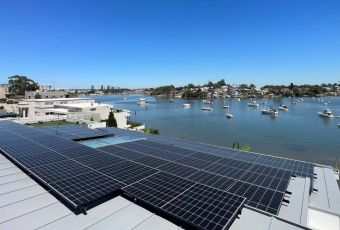
Solar Installations
Professional solar panel installation in Sydney for homes, businesses and strata properties.
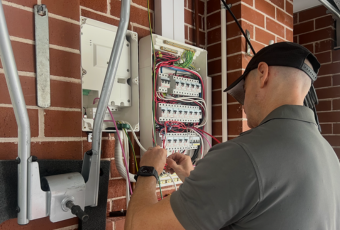
Solar Repairs
Reliable solar repairs in Sydney to fix faults, improve performance and keep your solar system working safely.
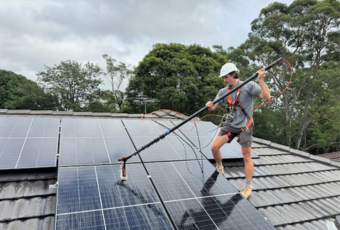
Solar Cleaning
Professional solar panel cleaning in Sydney to help improve efficiency, output and long-term system performance.
Daily Solar Output in Sydney FAQs
Find quick answers to common questions about solar output per day in Sydney, 6.6kW, 8kW, 10kW and 13.2kW solar generation and what to do when your system produces less electricity than expected.
How much solar should my system produce per day in Sydney?
A broad annual-average guide for Sydney is approximately 4 kWh of electricity per day for each 1 kW of installed solar capacity. Actual daily generation varies according to weather, season, roof orientation, shading and system performance.
How many kWh should a 6.6kW solar system produce per day?
Around 26 kWh per day is a useful Sydney annual-average benchmark for a 6.6kW system under suitable conditions. Individual days can be considerably higher or lower.
How much should an 8kW solar system produce each day?
Using Sydney’s broad 4 kWh-per-kW annual-average benchmark, an 8kW system may produce around 32 kWh per day.
How much should a 10kW solar system produce per day in Sydney?
A useful annual-average benchmark is approximately 40 kWh per day, although output varies substantially across seasons and individual properties.
How much should a 13.2kW solar system produce per day?
Around 53 kWh per day is a reasonable annual-average Sydney benchmark. MPV Solar’s current 13.2kW residential package lists approximately 52 kWh average daily output.
Why is my solar output low today?
Cloud, rain, shorter winter daylight hours, shading, high panel temperatures and other weather conditions can all reduce daily generation. One low day does not automatically indicate a fault.
Why has my solar output suddenly dropped?
If output drops significantly and remains low in good weather, possible causes include inverter faults, damaged panels, electrical issues, shading changes, dirt or monitoring problems. A professional system check may be appropriate.
Does cleaning solar panels increase output?
Cleaning can improve output where dirt, bird droppings, leaves or other debris are blocking sunlight. The benefit depends on how dirty the panels are and the property’s environment.
Is my solar system faulty if it produces less in winter?
Not necessarily. Sydney solar systems normally generate less during winter because days are shorter and the sun sits lower in the sky. Read Do Solar Panels Work in Winter in Sydney? for more information.
How can I check whether my solar system is performing properly?
Review your monitoring data over time, compare similar weather and seasons, check for inverter errors and investigate sustained unexplained reductions. MPV Solar can also perform a solar maintenance and performance assessment.
Can MPV Solar check a system installed by another company?
Yes. MPV Solar can inspect, service and repair existing solar systems across Sydney, including systems installed by another provider.



MPV Solar is committed to providing industry-leading solar energy solutions across Sydney, backed by a proven track record of successfully completing over 5,000 projects. As a family-owned business, we prioritise personalised service and truly value our clients, ensuring that each system is tailored to meet your unique energy needs.
Copyright 2026. All Rights Reserved.
Created by Codex Digital and Yakka Consulting
Get in Touch
MPV Solar
Unit 3, 43-51 College St,
Gladesville NSW 2111
info@mpvgroup.com.au
(02) 9817 0333
Monday – Friday
8:30 – 5:00pm