Call Us
A Simple Guide to Solar Systems, Batteries and Virtual Power Plants in NSW
Virtual Power Plants are becoming one of the biggest topics in solar energy and battery storage across NSW.
As more Sydney homeowners install rooftop solar systems, home batteries and smarter energy technology, more people are asking how they can get extra value from their solar power. That is where a Virtual Power Plant, often called a VPP, comes in.
A VPP usually works by connecting a compatible solar battery to a wider energy network. Your solar system generates electricity during the day, your battery stores excess solar energy, and the VPP may use some of that stored energy to support the electricity grid during peak demand periods.
For homeowners, this means a solar system and battery can do more than reduce electricity bills. It may also help create extra value through VPP incentives, payments or bill credits, depending on the provider and contract.
This guide explains how a Virtual Power Plant in NSW works, how solar systems and batteries connect to VPPs, and what Sydney homeowners should check before joining one.
Quick Answer: What Is a Virtual Power Plant in NSW?
A Virtual Power Plant in NSW is a connected network of solar batteries that can be managed together to support the electricity grid.
For homeowners, a VPP usually works by using a rooftop solar system to generate electricity, a battery to store excess solar power, and a VPP provider to access some of that stored energy under agreed conditions.
In return, eligible homeowners may receive a VPP incentive, payment, bill credit or other benefit.
A VPP is not just about the battery. The solar system is what generates the energy. The battery is what stores the energy. The VPP is what allows some of that stored energy to be shared with the wider grid.
What Is a Virtual Power Plant?
A Virtual Power Plant is a network of connected solar batteries, solar systems and energy devices that can be managed together using smart technology.
Instead of relying only on one large power station, a VPP brings together many smaller energy systems from homes and businesses. When electricity demand is high, the VPP can use stored energy from participating batteries to help support the grid.
For a homeowner, the idea is simple.
Your solar panels generate electricity during the day. Your home uses some of that power. Your battery stores the excess solar energy. Then, when the grid needs support, your battery may share some stored energy through the VPP.
The word “virtual” means the power plant is not one physical building. It is a connected network of solar and battery systems working together.
How Do Solar Systems and Batteries Work With a VPP?
VPP works best when there is both a solar system and a battery.
Your solar system generates clean electricity during the day. Your home uses that solar power first, which helps reduce the amount of electricity you buy from the grid.
When your solar system produces more electricity than your home is using, that excess energy can charge your battery. Instead of sending all excess solar back to the grid during the day, your battery stores it for later.
When the sun goes down, your home can use stored battery power instead of relying as heavily on grid electricity.
When you join a VPP, the battery may also be used under agreed conditions to support the wider electricity network. This may happen during peak demand periods, when the grid needs extra supply.
In return, you may receive an incentive, payment, bill credit or another benefit from your VPP provider.
In simple terms, your solar system generates the power, your battery stores the power, and the VPP may help share some of that stored power with the grid.
That is why a VPP is not just a battery topic. It is a solar system, battery and energy management topic.
Why Are Virtual Power Plants Becoming Popular in NSW?
Virtual Power Plants are becoming more popular in NSW because more homes are installing solar systems and batteries.
Rooftop solar has already changed the way many Sydney households use electricity. Instead of buying all power from the grid, homeowners can generate their own electricity during the day.
Batteries take that further by storing excess solar energy for use at night, during peak pricing periods or when the home needs more power than the solar system is producing.
A VPP adds another layer.
It allows compatible solar and battery systems to work together as part of a larger energy network. This can help reduce pressure on the grid, support peak demand periods and create extra value from stored solar power.
For Sydney homeowners, the appeal is clear. A solar system can reduce daytime energy costs. A battery can increase solar self-consumption. A VPP may help the battery generate additional value through incentives or ongoing benefits.
The best result depends on system design, battery compatibility, provider terms and how your household uses power.
What Is the Difference Between Solar, Battery Storage and a VPP?
A solar system, battery and VPP are connected, but they are not the same thing.
A solar system generates electricity from sunlight. It helps power your home during the day and can reduce the amount of electricity you buy from the grid.
A solar battery stores excess solar energy. Instead of exporting all unused solar power during the day, the battery keeps some of that energy so your home can use it later.
A Virtual Power Plant connects compatible batteries into a wider network. Under a VPP agreement, your battery may share stored energy with the grid when needed.
So, the solar system creates the energy.
The battery stores the energy.
The VPP helps manage and share some of that stored energy.
When all three are designed properly, your home energy system can become smarter, more flexible and more valuable.
Can My Solar System Join a Virtual Power Plant in NSW?
A solar system on its own usually cannot provide full VPP functionality because a VPP relies on stored energy that can be accessed when required.
That stored energy comes from the battery.
If you already have solar panels, you may be able to join a Virtual Power Plant by adding a compatible battery to your existing solar system. The battery must be suitable for VPP participation, and your inverter, monitoring setup and electricity retailer may also need to be compatible.
Before joining a VPP, your existing solar system should be checked properly.
MPV Solar can assess whether your current solar system is battery-ready, whether your inverter is suitable, whether your switchboard needs work, and whether your solar system is large enough to charge a battery effectively.
If your current solar system is too small, old or not compatible with battery storage, an upgrade may be recommended before adding a VPP-compatible battery.
What Is the NSW VPP Incentive?
The NSW VPP incentive is designed to encourage eligible battery owners to connect their battery to a Virtual Power Plant.
It is different from a standard solar battery rebate or battery installation discount.
A battery rebate helps reduce the upfront cost of installing an eligible battery. A VPP incentive is connected to signing your battery up to a demand response or Virtual Power Plant arrangement.
This means the provider may be able to access part of your stored battery energy under agreed conditions. In return, you may receive an incentive, payment, credit or other benefit.
Many people search for VPP battery rebate NSW, but it is more accurate to think of it as a VPP incentive because it is tied to participation after the battery is installed.
For Sydney homeowners, the important question is not just “can I get the incentive?” It is “does this VPP arrangement make sense for my solar system, my battery and my household energy needs?”
Can You Join a VPP With a Solar System and Battery in NSW?
Yes, many NSW homeowners may be able to join a VPP if they have a compatible solar system and battery.
A VPP usually requires a grid-connected solar PV and battery system. The battery must be compatible with the VPP provider’s technology, and the electricity retailer may also need to support the arrangement.
Eligibility can depend on your battery brand, battery size, inverter, monitoring setup, electricity retailer, VPP provider and whether your system meets the required conditions.
Not every battery works with every VPP.
Not every solar inverter setup is VPP-ready.
Not every electricity retailer supports every VPP offer.
That is why it is important to think about VPP compatibility before installing your solar battery, not after.
If you are installing a new solar and battery system in Sydney, MPV Solar can help design the system with VPP options in mind from the start.
Can You Join a VPP With an Existing Solar System?
Yes, you may be able to join a VPP if you already have a solar system, but you will usually need a compatible battery as well.
A solar system on its own generally does not provide the same VPP functionality because the VPP needs stored energy that can be accessed when required. The battery is what gives the provider flexible stored energy to manage.
If you already have solar panels, the first step is to check whether your current system is battery-ready.
This may involve reviewing your inverter, switchboard, solar system size, roof layout, available installation space and monitoring setup.
In some cases, your existing solar system can be paired with a compatible battery. In other cases, you may need an inverter upgrade, switchboard work or a different battery configuration.
MPV Solar can assess your existing solar system and explain whether adding a battery for VPP participation is practical.
Can You Join a VPP With an Existing Battery?
In some cases, yes.
If you already have a solar battery installed, you may be able to join a VPP if your battery, inverter, retailer and provider are compatible.
However, not all existing batteries are eligible. Older battery systems may not support the software, communication or remote access features required by VPP providers.
Before trying to join a VPP with an existing battery, you should check your battery brand, battery model, usable capacity, inverter setup, software compatibility, retailer compatibility and whether the VPP provider operates in your area.
You should also check whether your battery has already claimed an incentive and whether the provider accepts existing systems.
MPV Solar can help assess whether your existing solar battery system is suitable for a VPP or whether a new VPP-compatible battery would be a better option.
Can You Join a VPP Without Solar Panels?
A VPP battery setup is generally designed around a solar PV and battery system.
The solar panels generate the electricity. The battery stores excess solar power. The VPP allows some of that stored energy to support the grid under agreed conditions.
Without solar panels, your battery may not generate the same value because it is not storing your own rooftop solar energy.
If you do not already have solar panels, the best starting point is usually a complete solar and battery system designed with future VPP compatibility in mind.
This gives you a better chance of choosing the right solar system size, battery capacity, inverter and monitoring setup from the beginning.
How Does a Solar and Battery VPP Work Day to Day?
A solar and battery VPP setup usually follows a simple daily cycle.
During the day, your rooftop solar system generates electricity. Your home uses what it needs first. This may include lighting, appliances, air conditioning, pool equipment, home office equipment, EV charging or other household loads.
If your solar system produces more energy than your home is using, the excess can charge your battery.
In the evening, your home can use stored battery energy instead of buying as much power from the grid.
If you are part of a VPP, your provider may access stored battery energy at certain times, usually when the electricity network needs extra support. This access should be controlled by the terms of your VPP contract.
A well-designed system should consider your household usage, backup preferences, battery reserve settings and how much energy you are comfortable sharing.
What Are the Benefits of Joining a VPP in NSW?
Joining a VPP can help some homeowners get more value from their solar and battery system.
The biggest benefit is that your battery may generate value beyond normal household energy savings. Instead of only storing solar power for your home, your battery may also help support the grid and earn payments, credits or incentives.
A VPP may help reduce the overall payback time of a solar battery system. It may also make better use of excess solar energy that would otherwise be exported at a lower rate.
For households with strong solar generation, a compatible battery and a suitable provider offer, a VPP can be a smart way to make the battery work harder.
A VPP can also help support the electricity network during peak demand periods, which is one reason governments and providers are encouraging more battery participation.
For Sydney homeowners, the benefits can include extra value from stored solar energy, potential VPP incentives, ongoing payments or credits, improved battery return and smarter energy management.
What Are the Risks of Joining a VPP?
an use your battery.
When your battery joins a VPP, the provider may be able to access stored energy under agreed conditions. This could affect how much stored energy is available for your own home at certain times.
This is especially important if you want your battery for blackout protection. If backup power is a priority, you need to understand whether the VPP can access your reserve, how much energy is protected and whether your system has been designed correctly.
You should also check whether the VPP requires you to change electricity retailers, whether there are lock-in terms, whether exit fees apply and how ongoing payments are calculated.
A VPP can be valuable, but the headline offer is not the whole story.
The contract matters.
The provider matters.
The battery settings matter.
The solar system design matters.
Is Joining a VPP Worth It in NSW?
Joining a VPP can be worth it in NSW if the financial benefit is strong and the provider terms suit your household.
A VPP may be worth considering if you have a compatible solar and battery system, produce excess solar power, want to improve battery payback and are comfortable allowing a provider to access some stored energy under agreed conditions.
A VPP may not be worth it if you want full control over your battery, your main goal is blackout backup, you do not want to change electricity retailers or the contract terms are unclear.
The best way to decide is to compare the full offer, not just the incentive amount.
Look at the upfront incentive, ongoing payments, electricity plan, battery access terms, backup reserve settings, contract length and exit conditions.
For many Sydney homeowners, a VPP can be a good option. For others, a standard solar and battery setup may be better.
Solar System Size Matters for a VPP
Your solar system size can have a big impact on whether a VPP makes sense.
If your solar system is too small, it may not generate enough excess energy to charge the battery properly. That can reduce the value of both the battery and the VPP arrangement.
If your solar system is well-sized, it can generate enough daytime energy to power your home and charge the battery. This gives you more stored energy to use in the evening and more flexibility for VPP participation.
A larger solar system may suit homes with high daytime energy use, future EV charging plans, pool equipment, ducted air conditioning or larger battery storage.
However, bigger is not always better. The solar system needs to be designed around your roof, usage, inverter, export limits and future energy goals.
MPV Solar can help assess whether your current solar system is large enough for battery storage and VPP participation.
Battery Size Matters for a VPP
Battery size also matters.
A smaller battery may be suitable for everyday household use, but it may have less stored energy available for both your home and the VPP.
A larger battery may provide more flexibility, but it also needs enough solar generation to charge properly.
The best battery size depends on your daily usage, evening energy demand, solar production, electricity tariff, backup requirements and future plans.
For a VPP, the battery also needs to be compatible with provider requirements.
When choosing a battery for VPP participation, you should consider usable capacity, battery brand, inverter compatibility, monitoring, backup settings, warranty and provider support.
MPV Solar can help you compare solar battery sizes and choose a VPP-compatible battery system that suits your property.
VPP Battery vs Standard Solar Battery: Which Is Better?
A standard solar battery gives you more direct control. Your solar system charges the battery during the day, and your home uses that stored energy later.
A VPP battery can still do that, but it also allows your battery to participate in a wider energy network.
A standard battery may be better if your priorities are simplicity, blackout backup and full control.
A VPP-compatible battery may be better if your priorities are financial return, ongoing credits and making more active use of stored solar power.
Neither option is automatically better.
The right choice depends on your home, solar production, energy usage, battery size, provider offer and how much control you want to keep.
What Questions Should You Ask Before Joining a VPP?
Before joining a VPP, ask how much the upfront incentive is and how it will be paid.
- Ask whether you will receive ongoing payments, bill credits, event payments or export benefits.
- Ask when the VPP provider can access your battery and how much stored energy they can use.
- Ask whether your household energy needs are prioritised.
- Ask whether you can set a minimum battery reserve.
- Ask whether blackout backup is protected.
- Ask whether you need to change electricity retailers.
- Ask whether there are lock-in periods or exit fees.
- Ask whether your battery warranty is affected by VPP participation.
- Ask whether your battery model is compatible with the provider.
- Ask whether your solar system is large enough to charge the battery properly.
- Ask what happens if you sell your home, upgrade your system or want to leave the VPP.
A good VPP provider should be able to answer these questions clearly.
Why VPP Compatibility Should Be Planned Before Installation
VPP compatibility should be considered before your battery is installed.
If you want the option to join a Virtual Power Plant, your solar system, battery, inverter, retailer and monitoring setup need to work together.
A battery that is not compatible with your preferred VPP provider may limit your options. A solar system that is too small may not generate enough energy to support the battery properly. A system without the right backup design may not protect the circuits you care about during an outage.
This is why solar and battery system design matters.
MPV Solar can help design a solar and battery system that suits your property, supports your energy goals and gives you the option to explore VPP participation.
Why Choose MPV Solar for VPP-Compatible Solar and Battery Systems in Sydney?
MPV Solar designs and installs solar systems, batteries and VPP-compatible energy solutions across Sydney.
Our team can assess your existing solar system, check battery compatibility, review your switchboard and inverter setup, and help you choose a system designed for long-term performance, safety and value.
As part of MPV Group, MPV Solar brings together solar and electrical expertise under one team. That matters because a solar and battery installation involves more than choosing panels and a battery brand.
Your system needs to work with your roof, solar panels, inverter, switchboard, monitoring, backup requirements and future energy plans.
If you are considering a Virtual Power Plant in NSW, MPV Solar can help you compare suitable solar and battery options, understand VPP compatibility and install a system that suits your home or business.
Get Solar System, Battery and VPP Advice in Sydney
A Virtual Power Plant can be a smart way to increase the value of your solar and battery system, but it needs to be considered carefully.
Before joining a VPP, make sure you understand the incentive, provider, contract, battery access conditions, backup settings and whether the arrangement suits your household.
If you are comparing solar systems, batteries, rebates and VPP options in Sydney, MPV Solar can help.
Talk to MPV Solar today for solar system installation, battery storage and VPP-compatible energy advice for your Sydney home or business.
Complete Solar Solutions
Solar Installations, Repairs & Cleaning Across Sydney
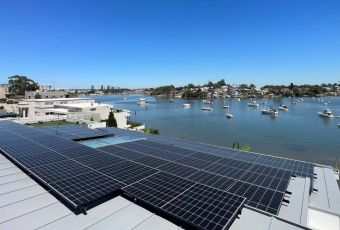
Solar Installations
Professional solar panel installation in Sydney for homes, businesses and strata properties.
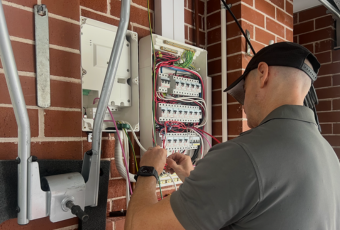
Solar Repairs
Reliable solar repairs in Sydney to fix faults, improve performance and keep your solar system working safely.
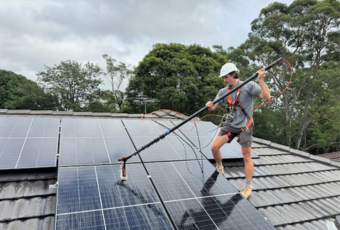
Solar Cleaning
Professional solar panel cleaning in Sydney to help improve efficiency, output and long-term system performance.
FAQs: Virtual Power Plant NSW
insert text here
What is a Virtual Power Plant in NSW?
A Virtual Power Plant in NSW is a connected network of solar batteries that can be managed together using software. Participating batteries can store solar energy for homes and, under agreed conditions, share stored energy with the grid during peak demand periods.
How does a VPP work with solar systems and batteries?
A solar system generates electricity during the day. A battery stores excess solar power. When you join a VPP, your battery may also share stored energy with the grid under agreed conditions. This can help support the network and may provide incentives, payments or credits.
Do you need solar panels to join a VPP?
A VPP battery setup is generally designed around a solar PV and battery system. Solar panels generate the energy, the battery stores it, and the VPP allows some stored energy to support the grid.
Can my solar system join a Virtual Power Plant in NSW?
Your solar system may be able to support VPP participation if it can be paired with a compatible battery. Solar panels alone usually are not enough because a VPP relies on stored energy from a battery that can be accessed under agreed conditions.
Can I join a VPP with an existing solar system?
You may be able to join a VPP if you already have solar panels, but you will usually need a compatible battery as well. Your existing solar system should be checked to make sure it is suitable for battery storage and VPP participation.
Can I join a VPP with an existing battery?
You may be able to join a VPP with an existing battery if your battery, inverter and retailer are compatible with a participating VPP provider. Older systems may not always support VPP integration.
Is a VPP the same as a battery rebate?
No. A battery rebate helps reduce the upfront cost of installing a battery. A VPP is an arrangement where your battery connects to a wider energy network. A VPP incentive is connected to joining that network, not just installing the battery.
Is joining a VPP worth it in NSW?
Joining a VPP can be worth it if you want to improve the financial return from your solar and battery system and are comfortable with a provider accessing some stored energy. It may not suit you if your main priority is blackout backup or full battery control.
Will a VPP drain my battery?
A VPP provider may access your battery under the terms of your agreement. Before signing up, ask when your battery can be used, how much capacity can be accessed and whether you can keep a backup reserve.
Can I keep backup power if I join a VPP?
Possibly, but it depends on your battery system and provider terms. If blackout protection is important, ask whether your system can protect backup circuits and maintain a minimum reserve.
Does my solar system size matter for a VPP?
Yes. Your solar system needs to generate enough excess energy to charge the battery properly. If your solar system is too small, the battery and VPP arrangement may not deliver the best value.
What battery size is best for a VPP?
The best battery size depends on your solar production, household energy use, evening demand, backup needs and provider requirements. A larger battery may offer more flexibility, but it needs enough solar generation to charge effectively.
Do all solar batteries work with VPPs?
No. Not all solar batteries are compatible with all VPP providers. Battery brand, inverter setup, software, retailer compatibility and location can all affect whether your battery can join a VPP.
What should I ask before joining a VPP?
Ask about the upfront incentive, ongoing payments, battery access terms, backup reserve settings, retailer requirements, contract length, exit fees, battery compatibility and whether your solar system is suitable.
Who installs VPP-compatible solar and battery systems in Sydney?
MPV Solar installs solar systems and battery storage across Sydney and can help homeowners and businesses compare options, understand VPP compatibility and choose a system that suits their energy usage and future plans.
Blog
Related articles
Catch up on the latest MPV Solar news and insights.



MPV Solar is committed to providing industry-leading solar energy solutions across Sydney, backed by a proven track record of successfully completing over 5,000 projects. As a family-owned business, we prioritise personalised service and truly value our clients, ensuring that each system is tailored to meet your unique energy needs.
Copyright 2026. All Rights Reserved.
Created by Codex Digital and Yakka Consulting
Get in Touch
MPV Solar
Unit 3, 43-51 College St,
Gladesville NSW 2111
info@mpvgroup.com.au
(02) 9817 0333
Monday – Friday
8:30 – 5:00pm