Call Us
A Practical Guide for Sydney Homeowners Comparing Solar Batteries, Rebates and VPPs
If you are installing a solar battery in NSW, the conversation is no longer just about the upfront battery rebate.
In 2026, more Sydney homeowners are asking a bigger question: should I join a Virtual Power Plant?
The NSW VPP battery incentive gives eligible households and small businesses a potential upfront incentive for connecting a compatible solar battery to a Virtual Power Plant, also known as a VPP. On top of that, some VPP providers may offer ongoing payments, bill credits or other benefits when your battery exports stored energy to the grid.
That sounds attractive, but it is not a decision to rush.
A VPP can improve the financial return on a solar battery, but it also means agreeing to conditions around how and when your battery can be accessed. Before signing up, you need to understand the incentive, the provider, the contract, your backup settings and whether the arrangement actually suits your household.
This guide explains how the virtual power plant NSW incentive works, what the pros and cons are, and what to ask before you join a VPP with a solar battery.
Quick Answer: Is Joining a VPP Worth It in NSW?
Joining a VPP can be worth it if you want to improve the return on your solar battery and you are comfortable allowing a provider to access some of your stored battery energy under agreed conditions.
A VPP may be a good option if you want to reduce the upfront cost of your battery, earn payments or bill credits from stored energy, make better use of excess solar power and participate in a smarter energy network.
A VPP may not be the best option if your main priority is blackout protection, you want full control over your battery at all times, or you are not comfortable with retailer changes, provider access or contract conditions.
For many Sydney homeowners, the best approach is to compare the NSW VPP battery incentive, the federal battery rebate, the electricity plan, the battery size and the provider contract before deciding.
Joining a VPP can be worth it if you want to improve the return on your solar battery and you are comfortable allowing a provider to access some of your stored battery energy under agreed conditions.
A VPP may be a good option if you want to reduce the upfront cost of your battery, earn payments or bill credits from stored energy, make better use of excess solar power and participate in a smarter energy network.
A VPP may not be the best option if your main priority is blackout protection, you want full control over your battery at all times, or you are not comfortable with retailer changes, provider access or contract conditions.
For many Sydney homeowners, the best approach is to compare the NSW VPP battery incentive, the federal battery rebate, the electricity plan, the battery size and the provider contract before deciding.
What Is the NSW VPP Battery Incentive?
The NSW VPP battery incentive is designed to encourage eligible households and small businesses to connect solar batteries to Virtual Power Plants.
A Virtual Power Plant allows multiple batteries to be linked together through software. When demand on the electricity grid is high, participating batteries can discharge stored energy to help support the grid.
The VPP incentive is separate from the upfront battery discount available through the Cheaper Home Batteries Program. The battery rebate helps reduce the cost of installing the battery. The VPP incentive is connected to signing your battery up to a VPP arrangement after installation.
This is why many people search for VPP battery rebate NSW, even though it is more accurately described as a VPP incentive.
The simple difference is this:
A battery rebate helps reduce the upfront cost of installing a battery.
A VPP incentive rewards you for connecting that battery to a Virtual Power Plant.
A VPP contract explains how your battery may be accessed and what you receive in return.
For Sydney homeowners, the VPP incentive can make a solar battery more financially attractive, but only if the VPP terms suit your household, your energy usage and your expectations around control and backup power.
How Much Is the NSW VPP Battery Incentive?
The NSW VPP battery incentive can vary depending on the battery, provider, usable capacity and offer available at the time.
This is one of the most important things to understand before signing up. There is not one single VPP deal that applies the same way to every home. Different VPP providers may offer different incentive amounts, payment structures, energy plans and contract conditions.
Some providers may offer an upfront incentive. Others may offer ongoing payments, bill credits, event-based payments or different export rates. The total value can depend on how often your battery is used, how much stored energy is shared and what the provider’s terms allow.
This means the highest advertised incentive is not always the best offer.
Before joining a VPP, Sydney homeowners should compare:
- The upfront VPP incentive.
- Any ongoing payments or bill credits.
- The electricity plan linked to the offer.
- Whether you need to change retailer.
- How much battery capacity the provider can access.
- Whether you can keep a backup reserve.
- Whether there are exit fees or lock-in terms.
- Whether the battery model is compatible.
- Whether the VPP arrangement suits your household energy usage.
A good VPP offer should be clear, practical and easy to understand. If the terms feel vague, it is worth asking more questions before signing.
What Is a Virtual Power Plant?
A Virtual Power Plant is a connected network of solar batteries that can be managed together using software.
Instead of relying only on large power stations, a VPP links many smaller home and business batteries. When electricity demand is high, the VPP provider can use stored energy from participating batteries and send it back to the grid.
For homeowners, this means your solar battery can do two jobs.
First, it can store excess solar power from your roof so you can use more of your own energy in the evening or overnight.
Second, if you join a VPP, your battery may also be used to support the grid during peak demand periods. In return, you may receive an incentive, payments, credits or other benefits from the provider.
In simple terms, a solar battery VPP can help you store excess solar power during the day, use stored solar energy at night, export stored battery energy when the grid needs it and improve the overall return from your battery system.
A VPP can be a smart option, but the value depends on the battery, the contract, the electricity plan and how your household uses energy.
NSW VPP Battery Incentive vs Solar Battery Rebate
The NSW VPP battery incentive and the solar battery rebate are connected, but they are not the same thing.
The solar battery rebate helps reduce the upfront cost of installing an eligible battery. It is focused on making the battery system more affordable at the point of installation.
The VPP incentive is different. It is linked to connecting your battery to a Virtual Power Plant and agreeing to a demand response arrangement. That means the provider may be able to access some of your battery’s stored energy under agreed conditions.
The battery rebate is about installation.
The VPP incentive is about participation.
The battery rebate can reduce the upfront cost.
The VPP incentive can create extra value after the battery is installed.
The battery rebate is based on system eligibility.
The VPP incentive depends on VPP compatibility, provider terms and contract conditions.
The best outcome often comes from looking at both together. If you are installing a new solar battery in Sydney, it is worth considering the upfront battery rebate first, then checking whether a VPP-compatible battery could give you additional long-term value.
Can You Combine the VPP Incentive With the Cheaper Home Batteries Program?
Yes, eligible households may be able to combine the NSW VPP battery incentive with the Cheaper Home Batteries Program.
This means your battery decision may include three possible layers of value.
The first is the upfront federal battery discount.
The second is the NSW VPP incentive for connecting your battery to a Virtual Power Plant.
The third is the potential for ongoing payments, bill credits or benefits through your VPP provider.
This is why solar battery decisions in NSW have become more strategic. It is no longer just about choosing a battery and claiming a rebate. It is about choosing the right battery size, the right inverter setup, the right retailer, the right VPP provider and the right contract terms.
However, the total value will depend on your battery model, usable capacity, solar system, electricity retailer, VPP provider and household energy usage.
MPV Solar can help you compare battery options and understand whether a VPP-compatible solar battery makes sense for your Sydney home or business.
Who Is Eligible for the NSW VPP Battery Incentive?
Eligibility depends on your battery, provider, retailer and property.
As a general guide, the NSW VPP battery incentive is designed for eligible NSW households and small businesses with a compatible solar battery connected to the grid.
You may need a solar PV system, an eligible battery, a battery within the eligible capacity range, a compatible Virtual Power Plant provider, a compatible electricity retailer, a grid-connected property and a signed VPP contract or nomination process.
Battery capacity also matters. Eligible batteries are generally within the required storage capacity range for the incentive, and the usable capacity of the battery can affect the incentive amount.
Not every battery works with every VPP provider. Not every retailer supports every VPP offer. Some providers may only support certain battery brands or operate under specific electricity plans.
This is why VPP compatibility should be considered before installing your battery, not after.
How Does a Solar Battery VPP Work in Sydney?
A solar battery VPP Sydney setup usually starts with rooftop solar panels and a compatible battery.
During the day, your solar system generates electricity. Your home uses what it needs first. Any excess solar can charge your battery. Once the battery is charged, additional solar may be exported to the grid.
When you join a VPP, your battery can also participate in the wider electricity network. During peak demand periods, your VPP provider may discharge stored energy from your battery to support the grid.
Depending on the provider, you may receive an upfront VPP incentive, ongoing payments, bill credits, export payments, event-based payments or other benefits.
The exact arrangement depends on the VPP provider and contract.
A good VPP setup should still prioritise your household needs. That means thinking carefully about evening energy use, blackout backup, battery reserve settings, solar production and how much control you want to keep over your stored energy.
Pros and Cons of Joining a Virtual Power Plant in NSW
Joining a Virtual Power Plant can offer strong benefits, but there are also important trade-offs.
The main benefit is that a VPP may help increase the financial return from your solar battery. Instead of only using your battery to store solar power for your own home, you may also earn value when your battery helps support the grid.
A VPP may also help you access an upfront incentive, reduce your overall battery payback time, receive ongoing credits or payments and make better use of stored solar energy.
The downside is that your battery is no longer used only by you. Under the VPP contract, the provider may be able to access stored energy from your battery at certain times. That may affect how much energy is available for your home, especially if you want to preserve stored energy for evenings or outages.
Another consideration is complexity. Some VPP offers may require a specific electricity retailer, compatible battery model, certain inverter setup or contract terms. There may also be lock-in periods, exit fees or conditions around how the battery is used.
For some Sydney homeowners, joining a VPP can be a smart way to unlock extra value from a solar battery. For others, especially households focused on backup power or full battery control, a standard solar battery setup may be more suitable.
When Is a VPP Worth It?
A VPP may be worth it if your main goal is to improve the financial return from your solar battery.
It may suit you if you already have solar panels, are installing a new battery, want to reduce upfront costs, are comfortable comparing VPP providers and are happy for some of your stored energy to be accessed under agreed conditions.
A VPP may also be worth considering if your home produces plenty of excess solar power during the day, your battery has enough usable capacity and your household is not relying on the full battery for blackout protection.
For larger solar households, high-energy users or homes with flexible battery reserve settings, a VPP may help create extra value that a standard battery setup does not provide.
The key is to compare the full offer, not just the headline incentive.
When Is a VPP Not Worth It?
A VPP may not be worth it if you want full control over your battery at all times.
It may also be less suitable if your main reason for installing a battery is blackout protection. If you want to keep your battery full or maintain a high backup reserve, you need to check whether the VPP provider can access energy you would prefer to save.
A VPP may also not suit you if you do not want to change electricity retailers, you are uncomfortable with contract conditions, your battery is not compatible, your solar system does not produce enough excess energy, or the ongoing payments are too low to justify the trade-off.
The wrong VPP contract can reduce the value of your battery rather than improve it.
That is why it is important to ask the right questions before signing.
Questions to Ask Before Joining a VPP
Before you join a VPP with a solar battery, ask clear questions.
Start with the upfront incentive. How much will you receive, and will it be paid as cash, bill credit, instalments or another structure?
Then look at ongoing benefits. Will you receive export payments, event payments, bill credits, higher feed-in rates or another type of benefit?
Ask when the VPP provider can access your battery. Can they discharge it only during peak demand events, or can they access it more frequently?
Ask how much battery capacity they can use. Can they access the full usable capacity, or only part of it?
Ask whether you can set a backup reserve. This is important if you want stored energy available during outages.
Ask whether joining the VPP affects blackout protection. If backup power matters to you, make sure the system is designed correctly from the start.
Ask whether you need to change electricity retailers. Some VPP offers only work with specific retailers or energy plans.
Ask whether there are lock-in periods or exit fees. You should know what happens if you sell your home, change provider, upgrade your battery or decide the VPP no longer suits you.
Ask whether your battery warranty is affected. More battery cycling may be part of the VPP arrangement, so it is worth understanding how the system will operate.
Ask whether your household usage is prioritised. A good VPP arrangement should be clear about how your home’s energy needs are managed.
Most importantly, compare more than one VPP offer. The best VPP provider for one household may not be the best option for another.
What Battery Size Is Best for a VPP in NSW?
The best battery size for a VPP depends on your solar production, household energy use and provider requirements.
A smaller battery may be eligible, but it may have less stored energy available for both your home and the VPP.
A larger battery may offer more flexibility, but it needs enough solar generation to charge properly. Bigger is not always better if your solar system is too small or your household does not use enough energy to justify the additional capacity.
For many Sydney homes, the right battery size depends on your daily electricity usage, evening and overnight demand, solar system size, rebate estimate, VPP incentive estimate, backup power needs, future EV charging plans and electricity tariff.
If joining a VPP is part of your plan, the battery should be chosen for compatibility, performance, monitoring and control, not just storage size.
MPV Solar can help you compare battery sizes and understand whether a VPP-compatible battery is worth including in your system design.
Can You Join a VPP With an Existing Battery?
In some cases, yes. If you already have a solar battery, you may be able to join a VPP if your battery, inverter, retailer and provider are compatible.
However, not all existing batteries are eligible. Older battery systems may not support the required software, communication or control settings.
Before trying to join a VPP with an existing battery, check your battery brand and model, usable capacity, inverter compatibility, retailer compatibility, VPP provider availability, monitoring setup, backup settings and grid connection.
You should also check whether your battery has already claimed an incentive and whether the provider accepts existing battery systems.
MPV Solar can help assess whether your existing solar battery system is suitable for a VPP or whether a new VPP-compatible battery would be a better option.
Can You Join a VPP Without Solar?
A VPP battery setup is generally designed around a grid-connected solar and battery system.
If you do not already have solar panels, the best starting point is usually a complete solar and battery system designed with VPP compatibility in mind.
This gives you a better chance of choosing the right battery, inverter and monitoring setup from the beginning.
MPV Solar can assess your roof, electricity usage and future energy goals to design a solar battery system that works for your home and keeps your VPP options open.
VPP Battery vs Standard Battery: Which Is Better?
A standard solar battery gives you more direct control. Your solar panels charge the battery during the day, and your home uses that stored energy later.
A VPP battery can still do that, but it also allows your battery to participate in a wider energy network.
A standard battery may be better if your priorities are simplicity, control and backup power.
A VPP battery may be better if your priorities are financial return, ongoing credits and making more active use of stored energy.
There is no one-size-fits-all answer. The better option depends on your home, solar production, energy usage, battery size and how much control you want to keep.
Why VPP Compatibility Should Be Considered Before Installation
VPP compatibility should not be treated as an afterthought.
If you want the option to join a Virtual Power Plant, your battery, inverter, retailer and monitoring setup need to support it.
A poorly matched system may limit your provider options. A system without the right backup design may not protect the circuits you care about. A battery that is not compatible with your preferred VPP provider may reduce your ability to claim the incentive.
This is why solar battery installation should be planned properly from the start.
MPV Solar can help you choose a battery system that suits your property, supports your energy goals and gives you the option to explore VPP participation.
Why Choose MPV Solar for Solar Battery and VPP Advice in Sydney?
MPV Solar provides professional solar battery installation across Sydney, helping homeowners and businesses choose battery systems that are practical, compliant and designed around real energy use.
As part of MPV Group, MPV Solar brings together solar and electrical expertise under one team. That matters because solar battery installation is not just about choosing a brand or capacity.
Your system needs to work with your solar panels, inverter, switchboard, monitoring, backup requirements and future energy plans.
If you are considering the NSW VPP battery incentive, MPV Solar can help you compare suitable battery options, understand VPP compatibility and install a system that suits your home or business.
Get Solar Battery and VPP Advice in Sydney
A Virtual Power Plant can be a smart way to increase the value of your solar battery, but it needs to be considered carefully.
Before signing up, make sure you understand the incentive, provider, contract, battery access conditions, backup settings and whether the arrangement suits your household.
If you are comparing solar batteries, rebates and VPP options in Sydney, MPV Solar can help.
Talk to MPV Solar today for solar battery installation and VPP-compatible battery advice for your Sydney home or business.
Complete Solar Solutions
Solar Installations, Repairs & Cleaning Across Sydney
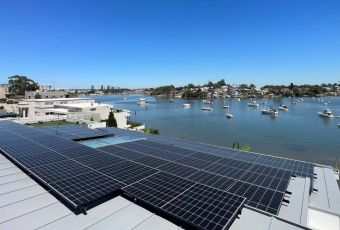
Solar Installations
Professional solar panel installation in Sydney for homes, businesses and strata properties.
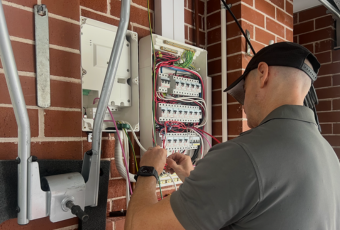
Solar Repairs
Reliable solar repairs in Sydney to fix faults, improve performance and keep your solar system working safely.
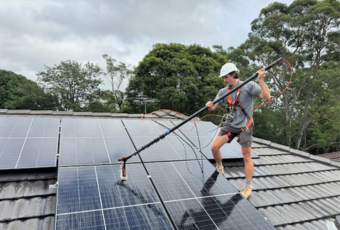
Solar Cleaning
Professional solar panel cleaning in Sydney to help improve efficiency, output and long-term system performance.
FAQs NSW VPP Battery Incentive 2026
Common Questions About the NSW VPP Battery Incentive.
What is the NSW VPP battery incentive?
The NSW VPP battery incentive is an incentive for eligible NSW households and small businesses that connect a suitable solar battery to a Virtual Power Plant. It helps encourage more battery owners to share stored solar energy with the grid during peak demand periods.
What is a Virtual Power Plant?
A Virtual Power Plant is a connected network of batteries that can be managed together using software. For homeowners, it means your solar battery can store energy for your home and also support the grid when required under a VPP agreement.
Is the VPP battery incentive the same as a battery rebate?
No. A battery rebate helps reduce the upfront cost of installing a battery. A VPP incentive is connected to signing your battery up to a Virtual Power Plant arrangement. Many people search for VPP battery rebate NSW, but incentive is the more accurate term.
Can the NSW VPP battery incentive be combined with the Cheaper Home Batteries Program?
Yes, eligible batteries installed under the Cheaper Home Batteries Program may also be connected to a Virtual Power Plant and access the NSW VPP incentive, provided the system and provider meet the requirements.
Is joining a VPP worth it in NSW?
Joining a VPP can be worth it if you want to improve the return on your solar battery and are comfortable with a provider accessing some stored battery energy. It may not suit everyone, especially if your main priority is keeping full battery control or blackout backup.
How much is the NSW VPP battery incentive?
The NSW VPP battery incentive amount can vary depending on the provider, battery size, usable capacity and offer available at the time. Some providers may offer an upfront incentive, while others may offer ongoing payments, bill credits or different benefits.
How do VPP payments work?
VPP payments vary by provider. You may receive an upfront incentive, bill credits, export payments, event payments or other benefits. Always compare the full offer, including payment terms, access conditions and contract length.
Will a VPP drain my battery?
A VPP provider may access your battery under the conditions of your contract. Before signing, ask when the provider can access your battery, how much capacity they can use and whether you can set a minimum reserve.
Can I keep backup power if I join a VPP?
Possibly, but it depends on your battery system and provider terms. If blackout backup is important, ask whether your battery can keep a protected reserve and whether your backup circuits are separated correctly.
Do all solar batteries work with VPPs?
No. Not every solar battery is compatible with every VPP provider. Battery brand, inverter setup, retailer compatibility, software integration and location can all affect whether your system can join a VPP.
Can I join a VPP with an existing solar battery?
You may be able to join a VPP with an existing solar battery if your battery, inverter, retailer and provider are compatible. Older systems may not always support VPP integration.
Do I need solar panels to join a VPP?
A VPP battery setup is generally designed around a solar and battery system. If you do not already have solar panels, MPV Solar can design a complete solar and battery system with future VPP compatibility in mind.
What battery size is eligible for the NSW VPP incentive?
Eligible battery capacity requirements can depend on current NSW program rules and provider terms. In general, the VPP incentive applies to eligible batteries within the required storage capacity range. Before choosing a battery, check whether the battery size, model and usable capacity meet the VPP incentive requirements.
Can small businesses access the NSW VPP battery incentive?
Yes, eligible small businesses in NSW may be able to access the VPP battery incentive when connecting a compatible solar battery to a participating Virtual Power Plant provider.
What should I ask before joining a VPP?
Ask how much the upfront incentive is, how ongoing payments work, when the provider can access your battery, how much capacity they can use, whether backup reserve is protected, whether you need to change electricity retailer and whether there are exit fees.
Who installs VPP-compatible solar batteries in Sydney?
MPV Solar installs solar battery systems across Sydney and can help homeowners and businesses compare battery options, understand VPP compatibility and choose a system that suits their energy usage, rebate goals and future plans.
Blog
Related articles
Catch up on the latest MPV Solar news and insights.



MPV Solar is committed to providing industry-leading solar energy solutions across Sydney, backed by a proven track record of successfully completing over 5,000 projects. As a family-owned business, we prioritise personalised service and truly value our clients, ensuring that each system is tailored to meet your unique energy needs.
Copyright 2026. All Rights Reserved.
Created by Codex Digital and Yakka Consulting
Get in Touch
MPV Solar
Unit 3, 43-51 College St,
Gladesville NSW 2111
info@mpvgroup.com.au
(02) 9817 0333
Monday – Friday
8:30 – 5:00pm