Call Us
New Battery Discounts Are Coming for NSW Businesses
From 1 September 2026, eligible NSW businesses will be able to access a new upfront incentive for installing commercial battery storage.
The NSW Government says eligible businesses installing batteries between 20 kWh and 30 MWh may qualify, with the discount generally applied upfront through participating suppliers. Importantly, businesses installing new or additional solar together with a battery can receive a larger incentive.
For Sydney warehouses, factories, commercial buildings and other energy-intensive businesses, this creates a strong reason to reassess whether commercial solar + battery storage now makes financial sense.
Businesses considering a larger rooftop solar system should also read our guide to Commercial Solar Rebates Australia 2026 to understand how upcoming solar incentives may affect project timing.
What Is the Commercial Battery Incentive NSW 2026?
The new business battery incentive NSW operates through the NSW Peak Demand Reduction Scheme.
It is designed to reduce the upfront cost of commercial batteries and encourage businesses to reduce electricity demand during peak periods.
According to the NSW Government, eligible discounts can be around 30% to 40% of the battery installation cost when a battery is installed together with new or additional solar. Actual incentive values depend on the project and eligibility requirements.
The incentive is available from 1 September 2026, and batteries commissioned before that date are not eligible for the new discount.
Which Businesses Can Access the NSW Business Battery Incentive?
Eligible NSW businesses may include:
- warehouses
- factories and manufacturing facilities
- logistics and distribution centres
- commercial offices
- retail facilities
- cold storage businesses
- agricultural businesses
- industrial properties
- strata and apartment common areas.
To qualify, the battery generally needs to be between 20 kWh and 30 MWh, the site must be connected to the grid, and other technical and installation requirements apply.
For batteries between 20 kWh and 200 kWh, additional requirements include using an approved battery and an appropriately accredited installer. Larger commercial batteries have separate technical and safety requirements.
Is the Incentive Bigger if You Install Solar and a Battery Together?
Yes. This is one of the most important features of the commercial battery incentive NSW 2026.
Businesses may receive a larger battery discount when they install new solar or expand an existing solar system around the same time as the battery installation.
For the higher incentive, new solar capacity generally needs to be installed within 90 days before or after the battery, and the additional solar must meet minimum sizing requirements relative to the battery capacity.
This creates a strong reason to compare:
battery only
versus
solar + battery
before finalising a commercial energy project.
If your business is already considering a larger commercial solar system, read Commercial Solar Rebates Australia 2026: What Sydney Businesses Need to Know to understand the incentives available for larger systems.
What if My Business Already Has Solar?
You may still be eligible. If your business already has commercial solar, the new incentive can potentially be used when installing a battery.
However, businesses seeking the higher solar + battery incentive may need to install additional solar capacity alongside the battery.
That means businesses with an existing 100 kW, 250 kW or larger solar installation should not automatically assume the current solar system is optimally sized for battery storage.
The better question is:
How much solar does the business generate, when is electricity being used, and how much energy would actually be worth storing?
For warehouse sites with large roof areas and significant daytime electricity demand, our Warehouse Solar Installation Sydney guide explains how system size, roof space and onsite electricity use influence commercial solar design.
Can the NSW Commercial Battery Incentive Be Combined With Federal Incentives?
Potentially. Eligible businesses may be able to combine the NSW battery discount with Australian Government battery incentives where the eligibility requirements of both programs are satisfied.
The Australian Government’s Cheaper Home Batteries Program can apply to eligible households and small businesses installing qualifying battery systems, subject to program requirements.
This means smaller commercial battery projects should have both state and federal incentive eligibility assessed before the project is designed.
How Can a Commercial Battery Save a Business Money?
The incentive reduces upfront cost, but the battery still needs to make sense operationally.
Commercial battery storage can potentially help a business:
Store Excess Solar Energy: Instead of exporting surplus commercial solar to the grid, the battery can store electricity for use later.
Reduce Grid Electricity Use: Stored solar electricity can be used when onsite solar generation falls but the business is still operating.
Manage Peak Demand: For businesses on demand tariffs, batteries can discharge during high-load periods to help reduce short electricity demand spikes. Learn more about this strategy in How Batteries Can Save Your Business on Peak Demand Charges.
Improve Solar Self-Consumption: A battery can allow a business to use more of the solar electricity generated onsite rather than exporting it.
The financial value, however, depends on the site’s electricity tariff, operating hours, solar generation and load profile.
How Big Should a Commercial Battery Be?
There is no standard commercial battery size. A 30 kWh battery may be appropriate for one business, while another property may require:
- 50 kWh
- 100 kWh
- 200 kWh
- 500 kWh
- 1 MWh
- or significantly more.
Battery capacity should be based on actual electricity consumption and load data, not simply on the maximum incentive available. Before recommending commercial battery storage, MPV Solar can assess:
- interval electricity data
- existing solar generation
- excess solar exports
- peak demand
- operating hours
- electricity tariffs
- switchboard and electrical capacity
- battery charging and discharge requirements
- existing and proposed solar capacity
- future electricity demand.
For warehouses in particular, battery storage should be assessed alongside the size and performance of the rooftop solar system. See our Warehouse Solar Installation Sydney guide for more information.
Should You Install Commercial Solar and a Battery at the Same Time?
For some Sydney businesses, 2026 may be an unusually strong time to compare solar-only with solar + battery.
The NSW battery incentive provides a larger discount when eligible battery storage is paired with new or additional solar. At the same time, commercial solar incentives are also changing, creating a strong reason to model both technologies together.
If your business is planning a larger solar installation, our Commercial Solar Rebates Australia 2026 guide explains the upcoming changes affecting larger commercial systems.
That does not mean every business needs a battery.
A business with high daytime electricity consumption may achieve excellent solar self-consumption without storage. Another business with significant afternoon demand, demand charges or excess daytime generation may have a stronger case for batteries.
Businesses affected by demand tariffs should also read How Batteries Can Save Your Business on Peak Demand Charges to understand how battery storage can be used to manage high-load periods.
The right approach is to model both scenarios.
Commercial Solar + Battery: Run the Numbers Again
If your business has previously investigated battery storage but the upfront cost did not stack up, the new commercial battery incentive NSW 2026 provides a strong reason to revisit the project.
For businesses also considering new or expanded commercial solar, the opportunity may be even greater.
MPV Solar can assess your:
electricity usage + interval data + solar generation + peak demand + available incentives
to determine whether commercial solar, battery storage or a combined system delivers the strongest outcome for your site.
If your business is still at the solar-planning stage, explore our Commercial Solar Rebates Australia 2026 and Warehouse Solar Installation Sydney guides for further information.
Thinking About Commercial Battery Storage in Sydney?
Talk to MPV Solar about a tailored commercial solar and battery assessment.
We can review your electricity data, existing solar system and future energy requirements to determine whether the new NSW business battery incentive changes the numbers for your business.
Complete Solar Solutions
Solar Installations, Repairs & Cleaning Across Sydney
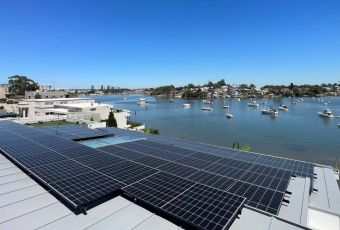
Solar Installations
Professional solar panel installation in Sydney for homes, businesses and strata properties.
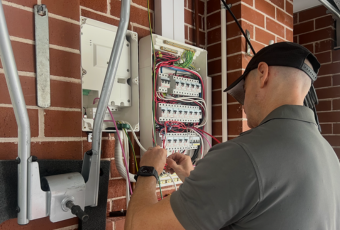
Solar Repairs
Reliable solar repairs in Sydney to fix faults, improve performance and keep your solar system working safely.
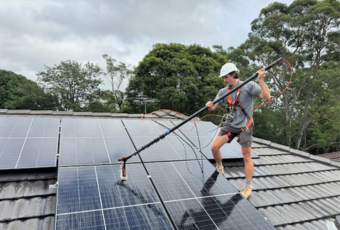
Solar Cleaning
Professional solar panel cleaning in Sydney to help improve efficiency, output and long-term system performance.
FAQs Commercial Battery Incentive NSW 2026
These FAQs answer common questions Sydney businesses are asking about the new NSW commercial battery rebate, eligibility, battery sizing and solar + battery incentives.
Is there a commercial battery rebate in NSW in 2026?
Yes. From 1 September 2026, eligible NSW businesses can access a new upfront discount for qualifying commercial battery installations through the Peak Demand Reduction Scheme.
How much is the NSW commercial battery incentive?
The exact amount varies according to the project. Eligible businesses installing a battery with new or additional solar may receive a higher incentive than businesses installing a battery alone.
What size battery qualifies for the NSW business battery incentive?
Eligible commercial battery systems can generally range from 20 kWh to 30 MWh, subject to the scheme’s eligibility and technical requirements.
Can my business claim the incentive if we already have solar?
Potentially, yes. Existing solar does not automatically prevent eligibility. Businesses wanting the higher solar + battery incentive may need to install additional eligible solar capacity alongside the battery.
Is the incentive higher if I install solar and a battery together?
Yes. Eligible projects combining a new battery with new or additional solar may receive a higher incentive.
Can commercial battery storage reduce peak demand charges?
Potentially. A properly designed commercial battery can discharge during high-demand periods, reducing the amount of electricity drawn from the grid during those intervals. Read How Batteries Can Save Your Business on Peak Demand Charges for more information.
Is commercial battery storage worth it?
It depends on electricity consumption, peak demand charges, solar generation, operating hours, tariffs, battery utilisation, project cost and available incentives.
Businesses considering both technologies should also review Commercial Solar Rebates Australia 2026 before deciding between solar-only and solar + battery.
Blog
Related articles
Catch up on the latest MPV Solar news and insights.



MPV Solar is committed to providing industry-leading solar energy solutions across Sydney, backed by a proven track record of successfully completing over 5,000 projects. As a family-owned business, we prioritise personalised service and truly value our clients, ensuring that each system is tailored to meet your unique energy needs.
Copyright 2026. All Rights Reserved.
Created by Codex Digital and Yakka Consulting
Get in Touch
MPV Solar
Unit 3, 43-51 College St,
Gladesville NSW 2111
info@mpvgroup.com.au
(02) 9817 0333
Monday – Friday
8:30 – 5:00pm