Call Us
What Is Actually Changing for Solar in NSW?
From November 2026, new rules will begin changing how new and upgraded rooftop solar systems are installed and commissioned across NSW. For Sydney homeowners, the changes introduce several new requirements, including:
- compatible smart inverters
- internet connectivity
- registration through the new NSW CER Installer Portal
- communication between eligible solar systems and electricity networks
- the NSW Emergency Backstop Mechanism
Importantly, these rules do not mean the government will routinely turn off household solar.
They are primarily technical and grid-safety requirements designed to allow new and upgraded solar systems to communicate with electricity networks and, in rare emergency conditions, respond to instructions designed to keep the electricity system stable.
If you already have solar and aren’t making changes to your system, you generally do not need to do anything.
If you are considering adding panels, changing your inverter or increasing your system capacity, MPV Solar’s Solar System Upgrades & Expansion Sydney service explains the options available for existing solar systems.
When Do the New NSW Solar Rules Start?
The changes are being introduced progressively rather than on one single statewide date.
For Sydney’s two major distribution networks:
Endeavour Energy: new and upgraded consumer energy systems up to 200kW must begin being commissioned through the NSW CER Installer Portal from 2 November 2026.
Ausgrid: new and upgraded systems up to 200kW must begin being registered through the portal from 23 November 2026, with Emergency Backstop requirements then phased in by area.
Ausgrid says its phased Emergency Backstop implementation begins from 30 November 2026, with all new and upgrading solar systems in its network expected to be registered and backstop-enabled by 22 February 2027.
For Endeavour Energy customers, the initial Emergency Backstop rollout begins in selected postcodes around the Campbelltown and Liverpool areas from 2 November 2026, before expanding further.
Who Will the New Solar Rules Affect?
The biggest point for homeowners to understand is that the new requirements primarily apply to:
- new rooftop solar installations
- existing solar systems being upgraded
- solar inverter systems being materially changed
- eligible solar and hybrid battery systems
If your existing rooftop solar system remains unchanged, generally no action is required.
That distinction is important.
A homeowner with an existing 6.6kW solar system who does nothing to it does not suddenly need to replace their inverter or connect their system to the internet simply because the new rules begin.
But if that homeowner later increases the system capacity, replaces certain equipment or undertakes a broader solar upgrade, the current requirements may apply. If your existing system is no longer meeting your home’s electricity needs, explore Solar System Upgrades & Expansion Sydney before deciding whether to add panels, change the inverter or replace the system entirely.
What Is a CSIP-AUS Smart Inverter?
One of the most significant changes is the requirement for eligible new and upgraded rooftop solar systems to use inverters that comply with Common Smart Inverter Profile – Australia, usually shortened to CSIP-AUS.
A compliant smart inverter is capable of securely communicating with the electricity distribution network. This communication allows networks to manage certain functions remotely when required, including supporting flexible exports and the Emergency Backstop Mechanism.
For homeowners, the important message is simple:
Inverter compatibility is becoming even more important when installing or upgrading solar.
If you’re planning to add more panels or replace an older inverter, the new system should be designed with these requirements in mind.
For older systems, it may also be worth determining whether it makes more sense to upgrade individual components or start again with a new configuration. Read Upgrade or Replace an Old Solar System? for more guidance.
Will New Solar Systems Need an Internet Connection?
Yes, internet connectivity becomes an important part of the new NSW framework. Eligible new and upgraded rooftop solar systems will need to communicate with the relevant electricity network’s utility server.
During commissioning, installers will test that communication through the NSW CER Installer Portal.
The connection allows the compliant solar equipment to communicate with the electricity network.
It does not mean your electricity network is monitoring your general household internet activity.
For homeowners considering an upgrade, internet connectivity should now be considered alongside inverter compatibility, network requirements and overall system design.
What Happens If My Internet Stops Working?
A temporary internet outage does not mean your solar panels suddenly become useless. However, ongoing connectivity is important for new systems operating under the new arrangements.
Where a property does not have reliable internet connectivity, network requirements may apply a low default export limit until communication is restored.
Ausgrid, for example, says qualifying equipment must still be CSIP-AUS compliant where reliable internet is unavailable, but a 1.5kW static export limit per site may apply until connectivity becomes available.
This is another reason why internet connectivity will now form part of the conversation when designing or upgrading a solar system.
For a detailed explanation of the export limits themselves, read Flexible Solar Exports NSW 2026: What Sydney Solar Owners Need to Know.
What Is the NSW CER Installer Portal?
The Consumer Energy Resources Installer Portal, or CER Installer Portal, is a new NSW Government system for registering and commissioning eligible consumer energy systems.
For homeowners, most of the work happens behind the scenes through the solar installer. The portal enables installers to:
- register new and upgraded solar systems
- confirm compliance with technical standards
- test communication with the electricity network
- submit required installation information
- support Emergency Backstop compliance
In practical terms, homeowners shouldn’t need to learn how to use the portal themselves.
Your solar installer is responsible for ensuring the eligible installation is properly commissioned and compliant. This is why choosing an experienced installer becomes particularly important when undertaking a solar system upgrade or expansion under the new requirements.
What Is the NSW Emergency Backstop Mechanism?
The Emergency Backstop Mechanism is one of the most misunderstood parts of the new rules. It gives electricity networks the ability to temporarily reduce rooftop solar exports or pause generation in rare emergency grid conditions, when instructed by the Australian Energy Market Operator.
It is intended as a last-resort measure, not something used as part of normal daily solar operation. The issue it is designed to manage occurs when electricity supply becomes very high while electricity demand becomes extremely low.
This can occur, for example, during periods of strong solar generation when relatively little electricity is being consumed. AEMO can first use other tools to help restore the balance. The Emergency Backstop is designed to be available if those other measures aren’t enough. Once the emergency has passed, normal solar operation can resume.
Does the Emergency Backstop Mean the Government Can Turn Off My Solar Whenever It Wants?
No. That isn’t how the mechanism is designed to operate.The Emergency Backstop is intended for rare circumstances when the electricity system needs additional intervention to maintain stability.
AEMO must instruct the relevant NSW distribution network to activate the mechanism.It comes after other grid-management actions have already been considered or used.
For homeowners, the key distinction is:
Flexible exports = normal management of how much excess solar can be exported
Emergency Backstop = last-resort grid protection in rare emergency conditions
For a full explanation of flexible versus fixed export arrangements, see MPV Solar’s Flexible Solar Exports NSW 2026 guide. Keeping those two concepts separate is important because they solve different problems.
Will the New Rules Affect My Existing Solar System?
If your existing solar system is staying exactly as it is, generally no. Existing rooftop solar systems that aren’t being upgraded do not need to be changed simply because the new rules are introduced.
You don’t need to replace a working inverter purely because the rules are changing.
You don’t need to upgrade your existing panels purely because the rules are changing.
And you don’t need to rush into replacing your solar system before November.
The new requirements become much more relevant when you decide to change or expand the system.
If your current system is ageing, undersized or underperforming, read Upgrade or Replace an Old Solar System? before deciding whether to retain or replace your existing equipment.
What If I Want to Add More Solar Panels?
This is where the new rules become particularly relevant for existing solar owners. Adding panels or significantly increasing system capacity can mean the project is treated as an upgraded solar system and the current connection and commissioning requirements need to be considered.
That doesn’t mean you shouldn’t expand your system. It simply means the upgrade needs to be designed correctly. MPV Solar can assess:
- the existing panels
- inverter capacity and compatibility
- available roof space
- switchboard and electrical infrastructure
- household electricity consumption
- battery requirements
- network connection requirements
- current smart-inverter requirements
If your original solar system is no longer large enough for your household, explore MPV Solar’s Solar System Upgrades & Expansion Sydney service.
What If I Want to Add a Battery?
The answer depends on the battery configuration. Emergency Backstop requirements can apply where the battery forms part of a hybrid solar system.
However, simply adding an AC-coupled battery to an existing system does not necessarily trigger the same Emergency Backstop requirements. Battery installations still need to meet their own electrical, safety and connection requirements.
If you’re adding storage to an existing solar system, the best approach is to assess the entire configuration before selecting a battery.
Read Can You Add a Battery to an Existing Solar System? for more information about retrofitting battery storage to existing panels and inverters. You can also explore MPV Solar’s Solar Battery Installation Sydney service for battery options for new and existing systems.
Are Flexible Solar Exports Part of the New Rules?
Yes, but they are only one part of the broader change. The new smart-inverter and communications framework also helps electricity networks introduce more flexible export arrangements.
Flexible exports allow compatible systems to export more electricity when local network capacity is available and reduce exports when required.
The detailed export limits differ between electricity networks, so we have intentionally covered that subject separately rather than repeating it here.
Read Flexible Solar Exports NSW 2026: What Sydney Solar Owners Need to Know for the Ausgrid and Endeavour Energy export limits and how they work.
What Should Sydney Homeowners Do Before November 2026?
If your current solar system is working well and you aren’t changing anything, you generally don’t need to take action. If you’re planning a new solar installation or an upgrade, ask your installer:
- Is the proposed inverter CSIP-AUS compliant?
- Will this installation need to be registered through the NSW CER Installer Portal?
- What internet connectivity will the system require?
- Which electricity network am I connected to?
- When do the new requirements apply in my postcode?
- Will flexible or fixed exports apply?
- Does the system need to be Emergency Backstop enabled?
- How will these requirements affect future upgrades or battery storage?
Your installer should be able to explain how the current rules apply to the specific property rather than giving you a generic answer. If you’re planning to expand an existing system, MPV Solar can assess your current setup through its Solar System Upgrades & Expansion Sydney service before recommending the next step.
Planning a Solar Upgrade Under the New NSW Rules?
The 2026 changes shouldn’t make homeowners afraid of upgrading solar. They simply mean system design, inverter selection and compliance are becoming more connected. The right approach is to consider the entire home energy system rather than selecting panels or an inverter in isolation. MPV Solar can assess your:
- existing solar system
- current electricity usage
- inverter
- switchboard
- available roof space
- solar expansion requirements
- battery plans
- applicable network requirements
From there, we can determine whether the right next step is additional solar panels, an inverter upgrade, battery storage or a broader system redesign. Explore Solar System Upgrades & Expansion Sydney or view MPV Solar’s broader range of solar services in Sydney.
Complete Solar Solutions
Solar Installations, Repairs & Cleaning Across Sydney
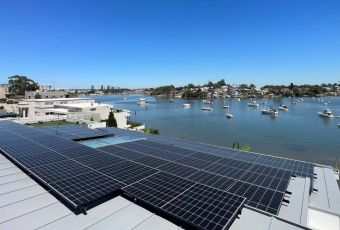
Solar Installations
Professional solar panel installation in Sydney for homes, businesses and strata properties.
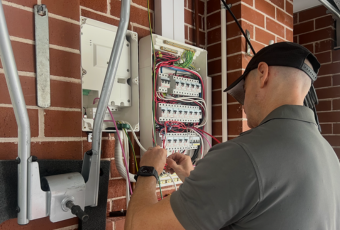
Solar Repairs
Reliable solar repairs in Sydney to fix faults, improve performance and keep your solar system working safely.
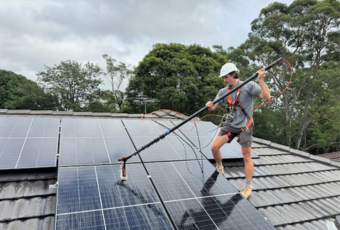
Solar Cleaning
Professional solar panel cleaning in Sydney to help improve efficiency, output and long-term system performance.
New NSW Solar Rules FAQs
Find answers to common questions about the new NSW solar rules for 2026, smart inverter requirements, internet connectivity, the CER Installer Portal and Emergency Backstop Mechanism.
When do the new NSW solar rules start?
The NSW CER Installer Portal becomes mandatory for relevant new and upgraded systems in stages from November 2026. Endeavour Energy begins on 2 November 2026, while Ausgrid registration requirements begin from 23 November 2026. Emergency Backstop requirements are then progressively phased in by network and location.
Do the new rules affect existing solar systems?
Generally, no. Existing rooftop solar systems that aren’t being upgraded do not need to be changed simply because the new rules are introduced. If you’re considering changes to an older system, see MPV Solar’s Solar System Upgrades & Expansion Sydney service.
Do new solar systems need internet in NSW?
Eligible new and upgraded solar systems will need internet connectivity so compliant equipment can communicate with the relevant electricity network utility server.
Why does my solar inverter need internet access?
Internet connectivity enables compliant smart inverters to communicate with the network for functions including commissioning, flexible export management and Emergency Backstop capability.
What happens if my solar loses internet connection?
The system’s treatment depends on the network requirements. A low default export limit may apply where reliable communications aren’t available until connectivity is restored.
Will the government regularly turn off my solar?
No. The Emergency Backstop Mechanism is designed as a last-resort grid-security measure for rare circumstances and is activated following an instruction from AEMO.
What is a CSIP-AUS inverter?
CSIP-AUS stands for Common Smart Inverter Profile – Australia. It is a communications standard that enables compatible inverter systems to securely interact with electricity network utility servers.
Does adding more panels trigger the new requirements?
An expansion can be treated as an upgraded solar system, meaning current technical, connection and commissioning requirements may apply. Your proposed upgrade should be assessed before work begins.
Does adding a battery trigger the Emergency Backstop requirements?
It can if the battery is part of a hybrid solar system. Adding an AC-coupled battery to an existing system does not necessarily trigger the same requirements. Read Can You Add a Battery to an Existing Solar System? for more information about battery retrofit options.
Are the new NSW solar rules the same as flexible exports?
No. Flexible exports are one part of the changing solar framework and relate specifically to how much electricity an eligible solar system can export. The new 2026 rules also cover smart inverter standards, connectivity, system registration and the Emergency Backstop Mechanism. Read Flexible Solar Exports NSW 2026 for the detailed export rules.
Are the new NSW solar rules the same as flexible exportsWho should I speak to before upgrading my solar system?
No. Flexible exports are one part of the changing solar framework and relate specifically to how much electricity an eligible solar system can export. The new 2026 rules also cover smart inverter standards, connectivity, system registration and the Emergency Backstop Mechanism. Read Flexible Solar Exports NSW 2026 for the detailed export rules.
Who should I speak to before upgrading my solar system?
A suitably qualified solar installer can assess your existing equipment, electricity network, system design and current requirements before recommending an upgrade. MPV Solar can assess existing solar systems across Sydney and determine whether additional panels, inverter changes, battery storage or a broader solar system upgrade is appropriate.
Blog
Related articles
Catch up on the latest MPV Solar news and insights.



MPV Solar is committed to providing industry-leading solar energy solutions across Sydney, backed by a proven track record of successfully completing over 5,000 projects. As a family-owned business, we prioritise personalised service and truly value our clients, ensuring that each system is tailored to meet your unique energy needs.
Copyright 2026. All Rights Reserved.
Created by Codex Digital and Yakka Consulting
Get in Touch
MPV Solar
Unit 3, 43-51 College St,
Gladesville NSW 2111
info@mpvgroup.com.au
(02) 9817 0333
Monday – Friday
8:30 – 5:00pm