


 Call Us
A 6.6kW solar system can suit Sydney homes with moderate electricity use, while a 10kW-class system is often better for homes with higher energy consumption, battery storage, EV charging, pools or plans to electrify more of the household. The right choice depends on how much electricity you use, when you use it, your roof space and your future energy plans.
6.6kW or 10kW Solar: Which Should You Choose?
Choosing the right solar system size can be just as important as choosing the panel or inverter brand. For many Sydney homeowners, the decision eventually comes down to 6.6kW vs 10kW solar.
A 6.6kW system remains a practical option for many smaller and medium-sized households. It can provide strong daytime generation without requiring as much roof space or upfront investment.
A 10kW-class system is better suited to homes with greater electricity demand or where consumption is likely to increase through air conditioning, pool equipment, electric hot water, battery storage, EV charging or a move away from gas.
The best system is not necessarily the smallest one that covers today’s electricity bill. It should also consider how your home may use electricity over the next five to ten years.
Explore MPV Solar’s Residential Solar Packages to compare current system configurations.
What Is a 6.6kW Solar System?
A 6.6kW solar system usually refers to approximately 6.6kW of solar panel capacity. With current 440W panels, that can mean 15 panels providing exactly 6.6kW of panel capacity.
MPV Solar’s current 6.6kW Gold package pairs this panel capacity with a 5kW SolarEdge Energy Hub inverter.
This system size can work well for homes with moderate electricity consumption and enough daytime usage to take advantage of the solar being generated. For more detail, read Why 6.6kW Solar Systems Are So Popular in Sydney.
What Does a 10kW Solar System Mean?
The terminology around 10kW systems can be confusing. A homeowner may hear the term 10kW solar system and assume it always means exactly 10kW of solar panels.
Sometimes it does. Around 23 × 440W panels, for example, provides approximately 10.12kW of solar panel capacity.
But some residential systems described as 10kW systems actually refer to the inverter size, with a larger solar panel array connected to it.
MPV Solar’s current 10kW residential packages use approximately 13kW to 13.2kW of solar panels paired with a 10kW inverter.
That larger solar array can increase electricity generation across more of the day.
This is why two quotes both labelled “10kW solar system” may have very different panel counts, expected output and overall design.
Read 10kW Solar System Sydney: Cost, Output & Battery Sizing for the full explanation.
How Much Electricity Does a 6.6kW Solar System Produce in Sydney?
As a broad annual-average benchmark, a 6.6kW solar system in Sydney may produce around 26 kWh per day. MPV Solar currently lists approximately 25 kWh average daily output for its 6.6kW residential package.
That does not mean you should expect exactly 25 or 26 kWh every day. Solar generation changes throughout the year depending on weather, season, roof orientation, shading, panel temperature and system design.
A sunny spring day may produce considerably more than a cloudy winter day.
If you want to compare system sizes in more detail, see How Much Should My Solar System Produce Each Day in Sydney?.
How Much Electricity Does a 10kW Solar System Produce in Sydney?
A literal 10kW solar panel array may generate around 40 kWh per day as a broad annual-average Sydney benchmark. MPV Solar’s current 10kW-class systems are larger than this on the panel side, using approximately 13–13.2kW of solar panels with a 10kW inverter.
These systems are currently listed at approximately 52 kWh average daily output.That extra generation can become valuable in a home with higher daytime electricity use, battery storage or future EV charging.
It also highlights why comparing solar quotes based only on the inverter size can be misleading.
Is 10kW Much Better Than 6.6kW?
It depends on what happens to the additional electricity. A larger system obviously has the potential to generate more energy.
But more generation does not automatically mean more savings. If your home can use the extra solar through air conditioning, pool equipment, electric hot water, battery charging or EV charging, the larger system can make a lot of sense.
If most of the additional electricity would simply be exported and household energy use is unlikely to grow, the financial advantage may be smaller.
The decision should therefore be based on what your home can actually do with the additional solar, rather than simply choosing the larger number.
How Much Does a 6.6kW Solar System Cost in Sydney?
MPV Solar’s current 2026 guide estimates that a quality 6.6kW solar system in Sydney may cost approximately $5,500 to $9,000 installed after applicable incentives.
The final price depends on the panels, inverter, roof design, building height, access, switchboard condition and any electrical work required.
Two 6.6kW systems can therefore have very different prices depending on the equipment and installation quality. For a broader breakdown, read How Much Does Solar Cost in 2026?.
How Much Does a 10kW Solar System Cost in Sydney?
MPV Solar currently estimates approximately $8,000 to $13,000+ for a quality 10kW solar system in Sydney after applicable incentives.
A larger system involves more panels, more mounting equipment and more installation work. Premium panels, optimisation, difficult roof access or electrical upgrades can also increase the final cost.
The better comparison is not simply whether 10kW costs more than 6.6kW. It is whether that additional investment gives the household useful extra generation over the life of the system.
Is 6.6kW Enough for the Average Sydney Home?
For many households, yes. A 6.6kW system can be well suited to a home with moderate electricity consumption, reasonable daytime usage and limited plans for major electrification.
But “average home” can be misleading.
Two households with the same number of people can consume completely different amounts of electricity.
One might have gas cooking and hot water with no swimming pool. Another might have ducted air conditioning, electric hot water, a pool and an electric vehicle.
Those two homes may need very different solar systems. That is why MPV Solar looks at the home’s actual electricity use rather than selecting system size based simply on household size.
When Does 10kW Solar Make More Sense?
A larger system becomes more attractive when electricity consumption is already high or is likely to increase. For example, a household using ducted air conditioning, pool equipment and electric hot water will generally have more opportunities to use additional solar generation.
The case becomes stronger again where the homeowner is planning battery storage, an EV or a broader move towards an all-electric home.
In those situations, installing additional solar capacity from the beginning can provide more room for future energy demand.
Which Is Better If I Want a Battery?
A 10kW-class system can potentially provide more surplus solar for battery charging, but bigger is not automatically better. A battery stores excess electricity after the home’s immediate energy requirements have been met.
If a 6.6kW solar system already generates plenty of surplus electricity during the day, it may be capable of supporting a useful battery without increasing the solar array.
If the household consumes most of the 6.6kW system’s output during the day, there may be little energy left to regularly charge a larger battery.
The important number is therefore not just the solar-system size. It is how much surplus electricity the system produces.
Read Is Your Existing Solar System Big Enough for a Battery? or explore Solar Battery Installation Sydney for more information.
What Battery Size Works With 6.6kW or 10kW Solar?
There is no fixed battery capacity that automatically matches either system. A 6.6kW system does not automatically need a 6.6kWh battery, and a 10kW system does not automatically need a 10kWh or 20kWh battery.
The right battery size depends on how much solar you export during the day and how much electricity you use later when solar production falls.
For example, a household that regularly exports 12 kWh of unused solar and consumes around 10 kWh after sunset has a very different storage opportunity from a household exporting only 3 kWh.
Battery sizing should therefore use actual generation, export and consumption data rather than simply matching one number to another.
MPV Solar’s Solar Battery Payback Period Sydney 2026 explains why battery utilisation has such a large impact on financial return.
Which Is Better for EV Charging?
If an EV is part of your future plans, a larger solar system is worth considering. Electric vehicles can significantly increase household electricity consumption.
Where the EV is parked at home during the day, additional solar generation can be used directly for charging.
That creates a simple energy pathway: Solar generation → household use → EV charging
If the vehicle is usually away during solar hours and charged later in the evening, battery storage and electricity tariffs become more important.
The key is to consider EV charging before choosing the solar-system size, rather than installing a smaller system today and discovering a few years later that the home’s electricity demand has changed significantly.
What About an All-Electric Home?
Electrifying a home can substantially change its electricity profile. Induction cooking, heat-pump hot water, electric heating, air conditioning and EV charging can all increase electricity consumption.
A 6.6kW system may suit a home comfortably today but feel relatively small after several gas appliances are replaced with electric alternatives.
A 10kW or larger solar array can provide more capacity for that future electricity demand.
This does not mean every electrified home needs 10kW. It means the system should be designed around where the home is heading, not just where it is today.
Do You Need Three-Phase Power for 10kW Solar?
Not automatically. The property’s existing electrical supply and network requirements need to be checked before the system is designed.
Three-phase power can provide greater flexibility for larger solar and electrical loads, but it is not correct to assume that every 10kW solar installation requires a three-phase upgrade.
The inverter configuration, export requirements, switchboard and network connection all need to be considered together. MPV Solar assesses these factors before finalising the system design.
How Do Solar Export Limits Affect the Decision?
Solar-system capacity and export capacity are not the same thing. A larger solar system may generate more electricity than the network allows you to export at a particular time.
That does not necessarily make the extra generation useless.Electricity can still be used within the home, sent to a battery, used for EV charging or directed towards other flexible household loads.
NSW export arrangements are also changing for eligible new and upgraded systems.
Read Flexible Solar Exports NSW 2026 for the detailed Ausgrid and Endeavour Energy requirements.
Should You Install 10kW Now Instead of Expanding Later?
If you reasonably expect household electricity use to increase, it can be worth comparing a larger initial installation with the cost of expanding later.
Solar systems can often be expanded, but an upgrade may involve compatibility checks, additional network approval, inverter changes and new installation work.
Panel technology and technical requirements can also change over time.
For a new installation, designing around future batteries, EVs and electrification from the beginning can create a more flexible system.
If you already have solar and need additional capacity, MPV Solar’s Solar System Upgrades & Expansion Sydney service covers the different options.
What If I Don’t Use Much Electricity During the Day?
This is an important consideration. If the home is largely empty during solar-production hours and there is no battery, EV or flexible daytime load, a larger proportion of the solar generation may be exported.
That does not automatically mean a 10kW system is unsuitable, especially if future energy demand is expected to increase.
But it does mean the system design should consider when the electricity will actually be used.
A smaller solar system with strong self-consumption can sometimes provide a better financial outcome than a much larger system where most of the additional generation has little use.
What Would MPV Solar Check Before Recommending 6.6kW or 10kW?
MPV Solar would start with the home’s electricity usage rather than the package size.Ideally, around 12 months of electricity bills should be reviewed to understand annual consumption and seasonal differences.
The timing of electricity use is also important. A household that consumes most of its electricity during the day has a different solar opportunity from one that uses most of its power at night.
MPV Solar also considers usable roof space, orientation, shading, electrical supply, switchboard condition and network requirements.
Battery storage, future EV charging and planned changes such as electric hot water or induction cooking should also be discussed before the system is sized.
This creates a recommendation based on the property and household rather than automatically defaulting to whichever solar package happens to be most popular.
Real Sydney Solar Systems Aren’t One Size Fits All
MPV Solar installs residential systems across Sydney on homes with very different roofs, energy consumption and future requirements.
A good example is MPV Solar’s McMahons Point project, where a 10.12kW solar system was designed with future battery storage and EV charging in mind.
That type of planning is important because a solar system can remain on a home for many years.
The system should ideally support not only today’s electricity use but also realistic changes to the household over time.
Explore MPV Solar Projects to see examples of systems installed across Sydney.
So, Is 6.6kW or 10kW Better?
Neither is universally better. A 6.6kW system can be an excellent choice for a home with moderate energy requirements and limited expected growth.
A 10kW-class system may provide better long-term value where the household has higher electricity consumption, plans for battery storage, an EV, pool equipment or increasing electrification.
The decision should come down to:
how much electricity you use today, how much you are likely to use tomorrow, and how effectively your home can use the additional solar generation.
That is far more useful than simply choosing the larger system because it generates more electricity.
Get the Right Solar System Size for Your Sydney Home
If you’re trying to choose between 6.6kW and 10kW solar, MPV Solar can review your electricity usage, roof, electrical supply and future energy plans before recommending the system size.
Explore Residential Solar Packages or Residential Solar Sydney for more information.
Send MPV Solar your latest electricity bill and tell us about any future battery, EV or electrification plans. We can help determine whether 6.6kW, 10kW or another system size makes more sense for your home.
Complete Solar Solutions
Solar Installations, Repairs & Cleaning Across Sydney
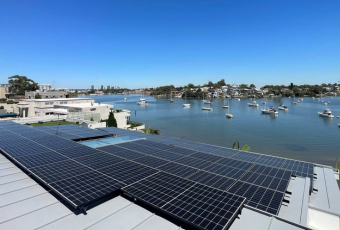
Solar Installations
Professional solar panel installation in Sydney for homes, businesses and strata properties.
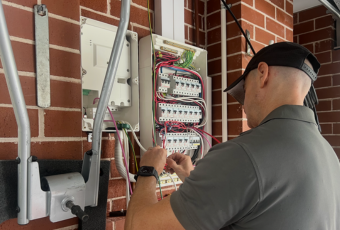
Solar Repairs
Reliable solar repairs in Sydney to fix faults, improve performance and keep your solar system working safely.
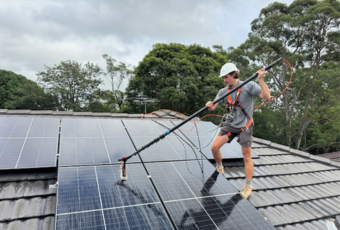
Solar Cleaning
Professional solar panel cleaning in Sydney to help improve efficiency, output and long-term system performance.
6.6kW vs 10kW Solar Systems FAQs
Find answers to common questions about 6.6kW vs 10kW solar systems in Sydney, daily output, cost, batteries, EV charging and choosing the right solar size for your home.
Is 6.6kW or 10kW solar better?
Neither is automatically better. A 6.6kW system may suit a moderate-use household, while a 10kW-class system can be better for higher electricity consumption, batteries, EV charging or future electrification.
Is 6.6kW solar enough for a Sydney home?
For many smaller to medium-sized households, yes. The answer depends on your actual electricity consumption, when you use power and whether your energy requirements are likely to increase.
How much does a 6.6kW solar system produce per day in Sydney?
Around 26 kWh per day is a useful broad annual-average benchmark. MPV Solar’s current 6.6kW package lists approximately 25 kWh average daily output.
How much does a 10kW solar system produce per day in Sydney?
Around 40 kWh per day is a useful benchmark for approximately 10kW of panel capacity. MPV’s current 10kW-class systems use around 13–13.2kW of panels and list approximately 52 kWh average daily production.
How much does 10kW solar cost in Sydney?
MPV Solar currently estimates approximately $8,000 to $13,000+, depending on equipment quality, roof layout and electrical requirements.
Is 10kW worth the extra cost over 6.6kW?
It can be if the household can use or store the additional electricity. Homes with greater energy consumption, batteries, EVs, pools or growing electricity demand are more likely to benefit from the extra generation.
Which solar size is better for a battery?
The better system is the one that generates enough surplus solar to regularly charge the proposed battery after household daytime consumption has been met.
Which is better for an electric vehicle, 6.6kW or 10kW?
A 10kW-class system can provide more solar generation for EV charging, particularly where the vehicle can charge during the day. The right size still depends on driving habits and other household loads.
Should I install a larger system now for a future battery or EV?
It can be worth considering if future electricity demand is likely to increase. Designing around those requirements from the outset may reduce the need for a more complicated expansion later.
Does MPV Solar recommend the same system size for every home?
No. MPV Solar assesses the property, roof, electricity use, electrical supply and future battery or EV requirements before recommending a solar system size.



MPV Solar is committed to providing industry-leading solar energy solutions across Sydney, backed by a proven track record of successfully completing over 5,000 projects. As a family-owned business, we prioritise personalised service and truly value our clients, ensuring that each system is tailored to meet your unique energy needs.
Copyright 2026. All Rights Reserved.
Created by Codex Digital and Yakka Consulting
Get in Touch
MPV Solar
Unit 3, 43-51 College St,
Gladesville NSW 2111
info@mpvgroup.com.au
(02) 9817 0333
Monday – Friday
8:30 – 5:00pm

