Call Us
Is It Worth Increasing My Home Battery Capacity?
If you already have solar, or even a home battery, you may be wondering whether your existing system can be expanded rather than starting again.
In many cases, the answer is yes.
Battery storage can often be added to or expanded within an existing solar system, but the right solution depends on your current battery, inverter, solar capacity, electrical setup and how much energy your household now uses.
And that last point is becoming increasingly important.
An EV in the driveway, more electric appliances, air conditioning, induction cooking or simply greater evening electricity use can mean a solar and battery system that suited your home a few years ago may no longer provide the storage you need today.
At MPV Solar, we look at the complete system before recommending an upgrade, so additional battery capacity works with your solar, your home and the way you actually use electricity.
Can you add more battery storage to an existing solar system?
Yes. There are several ways an existing solar system may be upgraded with additional battery storage.
Depending on the equipment already installed, this could involve:
- adding battery modules to an expandable battery system
- installing an additional compatible battery
- adding an AC-coupled battery to an existing solar system
- upgrading or replacing an inverter
- increasing both solar generation and battery capacity
- redesigning parts of the system where the existing equipment is no longer suitable
The important thing is that battery expansion isn’t simply about finding space for another battery.
The existing system needs to be assessed as a whole.
Can an existing home battery be expanded?
Some home batteries are specifically designed to be modular or stackable, allowing additional battery modules to be installed when more capacity is required.
However, not every battery can be expanded.
Compatibility can depend on the battery make and model, its age, battery management system, inverter, manufacturer requirements and the configuration originally installed.
Before adding more storage, an installer should check:
- your existing battery make and model
- current usable battery capacity
- maximum supported battery capacity
- battery and inverter compatibility
- age and condition of the existing equipment
- manufacturer expansion requirements
- switchboard and electrical configuration
- solar generation
- household electricity consumption
- network requirements
- available compliant battery installation locations
This is why an onsite or detailed system assessment is important before choosing additional battery capacity.
Can I add a battery without replacing my solar panels?
Often, yes. Adding battery storage doesn’t necessarily mean replacing your existing solar panels.
An existing solar PV system can often continue generating electricity while a compatible battery solution is added separately.
For many retrofit installations, an AC-coupled battery can work alongside the existing solar inverter. In other situations, changing to a hybrid inverter may make more sense.
The right approach depends on the age, size and condition of your existing solar system and what you want the upgraded system to achieve.
If your solar system is already producing enough excess electricity during the day, additional battery storage may allow you to capture more of that energy for use later.
If there isn’t enough surplus solar available to regularly charge the larger battery, increasing your solar panel capacity may also be worth considering.
Is my existing inverter compatible with a bigger battery?
Possibly, but this needs to be checked rather than assumed. Your inverter is one of the most important pieces of the battery expansion puzzle.
Some hybrid inverters support additional battery capacity but only within certain limits or with particular battery models. Other solar inverters weren’t designed to connect directly to batteries at all.
That doesn’t automatically mean your entire solar system needs replacing. An appropriately designed AC-coupled battery system may allow the existing solar inverter to remain in place while a separate battery inverter manages the battery.
An MPV Solar assessment can determine whether your existing inverter can remain, whether additional battery capacity is supported or whether an inverter upgrade would provide a better long-term solution.
How do I know if I need more battery storage?
A battery that regularly reaches a very low state of charge before morning can be one sign that your household could use additional storage.
Other signs include:
- regularly drawing significant electricity from the grid overnight
- frequently exporting excess solar during the day
- recently purchasing or planning to purchase an EV
- installing electric hot water or heat pump systems
- switching from gas to induction cooking
- adding a pool or larger air-conditioning system
- more people living or working from home
- wanting greater backup capacity during an outage
- your household electricity consumption increasing since the original battery was installed
Rather than automatically installing the biggest battery available, the goal should be to match storage to your energy profile.
How much battery storage do I need?
There is no single battery size that suits every Sydney household.
The right capacity depends on when and how much electricity your home consumes, how much solar you generate and what you’re trying to achieve.
For example, are you primarily trying to:
- reduce grid electricity purchases at night?
- store more excess solar instead of exporting it?
- charge an EV using more of your own solar?
- increase blackout backup?
- prepare the home for greater electrification?
- minimise electricity costs during peak tariff periods?
Your electricity bill is useful, but interval or smart meter data can provide a much clearer picture of when your home actually uses energy.
That allows battery capacity to be designed around your household rather than simply choosing a number of kilowatt-hours from a product brochure.
How much battery storage do I need if I buy an EV?
Buying an EV can significantly change a household’s electricity profile. But that doesn’t automatically mean you need a huge home battery.
How much additional storage makes sense depends on:
- how far you drive
- how often the vehicle needs charging
- whether the EV is home during daylight hours
- whether it can be charged directly from excess solar
- your charger capacity
- your electricity tariff
- your existing household loads
- the size of your solar system
- how much battery energy you want available for the house overnight
In some homes, increasing solar generation may be more valuable than dramatically increasing battery capacity. In others, additional storage can help shift more solar energy into the evening and overnight.
The best approach is to design your solar, battery and EV charging together.
Should I expand my solar panels or battery first?
This is one of the most important questions to answer before spending money on an upgrade.If your existing solar system already generates substantial surplus electricity that is being exported during the day, additional battery capacity may allow you to store more of that electricity.
If your existing solar barely covers daytime household consumption, simply installing a much larger battery won’t create more solar energy to fill it. In that situation, additional solar capacity may need to form part of the upgrade. For some households, the best solution will be both.
More solar may make sense if:
- your existing system is relatively small
- daytime generation doesn’t cover household demand
- you’re adding an EV
- you’re electrifying more of the home
- you have suitable unused roof space
- a larger battery would regularly remain undercharged
More battery storage may make sense if:
- you’re exporting significant excess solar
- your battery regularly empties early in the evening
- overnight grid consumption remains high
- you want additional backup capacity
- household evening electricity consumption has increased
The key is balancing generation, storage and consumption rather than treating solar panels and batteries as separate purchases.
Can I get the federal battery rebate if I expand my existing battery?
This is an important question to check before proceeding. Eligibility under the Australian Government’s Cheaper Home Batteries Program depends on the existing system and whether Small-scale Technology Certificates, or STCs, have previously been claimed.
Current rules include specific requirements for expanding existing battery systems, so don’t assume that adding another battery module automatically attracts another rebate. MPV Solar can review the existing installation and available upgrade options as part of your assessment.
What should be checked before adding more battery storage?
Before recommending additional capacity, we believe the conversation should go beyond:
“How big a battery do you want?”
A properly considered battery upgrade should look at:
Your existing solar – How much electricity does it actually generate and how much is being exported?
Your current battery – Can it be expanded and what are the manufacturer’s limits?
Your inverter – Can it support the proposed configuration or is another solution required?
Your electricity use – When does your household consume electricity and how is that changing?
Your future plans – Are you buying an EV, replacing gas appliances, installing a heat pump or expecting household electricity consumption to increase?
Your switchboard and electrical infrastructure – Can the existing electrical system support the proposed upgrade safely and correctly?
Battery location – Does the proposed location meet the relevant installation and safety requirements? Learn more about where a solar battery can be installed safely.
Your objective –Are you prioritising bill savings, solar self-consumption, EV charging, backup power or greater energy independence?
Only once these factors are understood can the right battery capacity be determined.
Future-proofing your solar and battery system
Home energy needs are changing quickly. Solar is increasingly becoming one part of a larger home energy system that can include battery storage, EV charging, electric hot water, induction cooking, air conditioning and smart energy management.
That’s why future capacity should be considered when upgrading. If you’re replacing equipment today, it can be worthwhile discussing whether the new battery and inverter allow for future expansion rather than designing solely around your current electricity use.
A little planning now can make the next stage of electrifying your home much easier.
Talk to MPV Solar about expanding your battery storage
If your existing solar or battery system no longer matches the way your household uses electricity, you may not need to start again.
MPV Solar can assess your existing solar panels, battery, inverter, switchboard and energy consumption to determine what can be retained, what can be expanded and whether any part of the system should be upgraded.
Whether you’re looking for more evening storage, preparing for an EV or planning the next stage of home electrification, we’ll help you design a system around the whole home.
Already have solar or a battery and wondering what your next upgrade should be? Talk to MPV Solar about a solar and battery system assessment.
Complete Solar Solutions
Solar Installations, Repairs & Cleaning Across Sydney
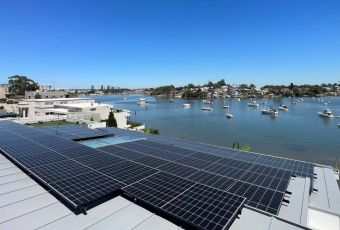
Solar Installations
Professional solar panel installation in Sydney for homes, businesses and strata properties.
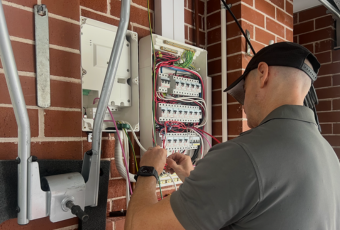
Solar Repairs
Reliable solar repairs in Sydney to fix faults, improve performance and keep your solar system working safely.
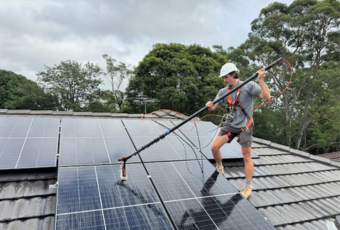
Solar Cleaning
Professional solar panel cleaning in Sydney to help improve efficiency, output and long-term system performance.
FAQs About Expanding Solar Battery Storage
Already have solar or battery storage but need more capacity? These are some of the most common questions homeowners ask when considering a solar battery upgrade.
Can I add another battery to my existing solar system?
Yes, in many cases another battery or additional battery capacity can be added to an existing solar installation. Compatibility depends on your existing battery, inverter, system design and manufacturer specifications.
Can I add more capacity to my existing home battery?
Some modular and stackable battery systems allow additional modules to be installed. The existing battery configuration, age, battery management system and manufacturer requirements need to be checked first.
Do I need a new inverter to add more battery storage?
Not always. Some existing inverters support battery expansion, while an AC-coupled battery can sometimes be installed alongside the existing solar inverter. Other systems may benefit from an inverter upgrade.
Can I add a battery without replacing my existing solar panels?
Often, yes. Existing solar panels can usually remain if they are operating correctly and the new battery system is appropriately designed around them.
Should I add more solar panels or a bigger battery?
It depends on your energy profile. If you regularly export excess solar, more battery storage may help you use more of that electricity later. If you aren’t generating enough surplus solar to charge a larger battery, increasing solar capacity may be the better first step.
How much battery storage do I need for an EV?
That depends on your driving habits, EV battery size, charging schedule, solar generation and household electricity consumption. An EV doesn’t necessarily need to be charged entirely from a home battery and can often be charged directly from solar during the day.
Can I add a battery to an old solar system?
Potentially. The condition and compatibility of the panels, inverter and electrical infrastructure should first be assessed. An older solar system doesn’t automatically need replacing simply because you’re adding storage.
Can I expand my battery later?
Some battery systems are designed specifically for future expansion, while others have fixed capacity or restrictions around adding modules. If you’re installing a battery today, future expandability is worth considering during system design.
Will a bigger battery reduce my electricity bill?
It can help if the additional capacity allows you to store electricity that would otherwise be exported and use it when you would normally buy electricity from the grid. The result depends on your energy consumption, solar generation, electricity tariff and system size.
Can MPV Solar assess my existing system before I upgrade?
Yes. Assessing the existing solar, inverter, battery, electrical infrastructure and household energy requirements is the best starting point for determining whether more solar, more battery storage or a broader system upgrade makes sense.
Blog
Related articles
Catch up on the latest MPV Solar news and insights.



MPV Solar is committed to providing industry-leading solar energy solutions across Sydney, backed by a proven track record of successfully completing over 5,000 projects. As a family-owned business, we prioritise personalised service and truly value our clients, ensuring that each system is tailored to meet your unique energy needs.
Copyright 2026. All Rights Reserved.
Created by Codex Digital and Yakka Consulting
Get in Touch
MPV Solar
Unit 3, 43-51 College St,
Gladesville NSW 2111
info@mpvgroup.com.au
(02) 9817 0333
Monday – Friday
8:30 – 5:00pm