Call Us
Can You Charge an EV With Solar Power? Sydney Solar Charging Guide
Learn how rooftop solar, a compatible EV charger and smart energy controls can work together to reduce grid charging and make better use of your excess solar power.
Yes, you can charge an electric vehicle using electricity generated by your rooftop solar panels.
For Sydney homeowners, there are three common ways to do it:
- Plug the EV in while the solar system is generating
- Use a smart charger that follows available excess solar
- Store solar energy in a home battery and use it to help charge the EV later
The best option depends on how much solar your home produces, when your vehicle is parked at home and how the charger, inverter, battery and switchboard are configured.
Simply having solar panels does not guarantee that your EV will charge exclusively from solar. A standard charger may draw electricity from both the solar system and the grid whenever the vehicle is connected.
A solar-compatible EV charger can provide more control. Depending on the system, it may monitor household energy flows, adjust its charging output and prioritise available excess solar before importing electricity from the grid.
The Australian Government recommends charging an EV while rooftop solar is generating where possible. It also notes that smart charging systems can schedule charging for periods when excess solar or lower-cost electricity is available.
The strongest result comes from treating your solar panels, inverter, battery, switchboard and EV charger as one connected home-energy system.
Can an EV Charge Directly From Rooftop Solar?
Yes, but “directly from solar” needs a little explanation.
Your solar panels generate direct-current electricity. The solar inverter converts that electricity into alternating current that can be used by your home and a standard AC EV charger.
The typical energy flow is:
- Solar panels generate electricity.
- The inverter converts it into usable household electricity.
- Your home consumes the electricity it needs.
- Available solar can be directed to the EV charger.
- Any remaining energy may charge a home battery or be exported to the grid, depending on the system settings.
The car is therefore not usually plugged directly into the solar panels. It is connected to an EV charger that forms part of the home’s electrical system.
What Happens Without a Solar-Aware Charger?
A standard home charger can still use solar-generated electricity when the vehicle is charging during the day.
However, it may not distinguish between:
- Solar electricity
- Stored battery electricity
- Grid electricity
For example, your EV charger may be drawing 7 kW while your solar system has only 3 kW available after household use.
In that situation, the remaining electricity will generally come from the grid unless the charger is configured to reduce its output.
What Does a Solar-Compatible EV Charger Do?
A solar-compatible smart charger may use an energy meter or monitoring equipment to measure:
- Solar generation
- Household electricity consumption
- Grid imports
- Grid exports
- Battery charging or discharging
- Available power for the EV
The charger can then increase, reduce or pause charging according to the available solar and the settings chosen by the homeowner.
SolarEdge, for example, offers solar-optimised charging and integrated monitoring through its home-energy ecosystem. Its current ONE EV Charger can prioritise solar, use tariff schedules and allow homeowners to enable or disable the home battery as an EV charging source.
Features vary between chargers and energy systems, so compatibility should be confirmed before equipment is purchased.
What Is Solar-Surplus EV Charging?
Solar-surplus charging means directing solar electricity that your home is not currently using into the EV.
Without an EV or battery, that excess electricity would usually be exported to the grid.
A compatible charger can monitor the home’s energy flow and adjust the EV charging rate according to the available surplus.
For example:
- Your solar system is generating 7 kW.
- Your home is currently using 2 kW.
- Approximately 5 kW is available as excess solar.
- A compatible charger may direct that available power into the vehicle.
If household consumption increases, the charger may reduce its output. If more solar becomes available, it may increase the charging rate again.
Why Is Solar-Surplus Charging Valuable?
Using more solar within the home may help you:
- Reduce electricity imported from the grid
- Use solar that might otherwise be exported
- Lower the ongoing cost of EV charging
- Increase solar self-consumption
- Coordinate the EV with a home battery
- Schedule charging around daylight generation
- Make better use of a larger solar system
Charging an EV can be an effective way to use surplus daytime generation because an EV battery can store far more energy than many individual household appliances consume.
The Australian Government recommends running flexible loads, including EV charging, during periods of solar production to make greater use of the electricity generated by rooftop panels.
Can an EV Charger Use Only Excess Solar?
A compatible smart charger may offer an excess-solar or solar-only charging mode.
In this mode, the charger attempts to use available surplus solar rather than importing electricity from the grid.
Whether it can operate completely without grid electricity depends on:
- The charger model
- The EV
- The amount of available solar
- The charger’s minimum operating level
- The stability of solar generation
- Household electricity demand
- Battery settings
- The monitoring and control equipment installed
Some systems allow homeowners to choose between different modes.
Solar-Only Mode
The charger operates only when enough excess solar is available.
This can minimise grid imports, but charging may be slower or intermittent on cloudy days.
Solar-and-Grid Mode
The charger uses available solar and supplements it with grid electricity.
This provides more predictable charging and can help ensure the vehicle reaches a required charge level before departure.
Scheduled Smart Charging
The system prioritises solar while it is available and may use lower-cost grid electricity later if the required energy has not yet been delivered.
This can be useful when the car must be ready at a particular time.
Fast-Charging Mode
The charger draws the power required to charge at a higher rate, using a combination of solar, battery and grid electricity as permitted by the system settings.
The best mode depends on whether your priority is:
- Minimising grid imports
- Ensuring the car is ready by a set time
- Maximising charging speed
- Preserving battery energy
- Charging during lower-cost tariff periods
What Happens When Solar Generation Drops?
Solar output changes throughout the day.
It may fall because of:
- Cloud cover
- Shade
- Rain
- The time of day
- Seasonal conditions
- Higher household electricity consumption
- Panel orientation
- Dirt or system performance issues
When solar output falls, a smart charger may respond in several ways. Depending on the equipment and settings, it may:
- Reduce the charging rate
- Pause charging
- Continue charging from the grid
- Use electricity from the home battery
- Blend solar, battery and grid electricity
- Wait until sufficient surplus solar returns
This is an important difference between a basic charger and a properly integrated solar EV charging system.
A charger that simply operates at a fixed 7 kW could begin importing electricity whenever excess solar falls below that level. A compatible smart charger may reduce its output to follow the available generation.
Can Frequent Clouds Interrupt EV Charging?
They can affect charging in solar-only mode.
EV charging requires a minimum amount of available power before the charging session can begin or continue. If excess generation repeatedly falls below that level, the charger may pause.
How smoothly charging restarts depends on the charger, vehicle and software configuration.
A hybrid mode that allows a controlled amount of grid support may provide more reliable charging on variable days.
How Many Solar Panels Are Needed to Charge an EV?
There is no single number that works for every home. The number of solar panels you need depends on:
- How far you drive
- Your EV’s energy consumption
- How often you charge
- The output of each panel
- Sydney’s seasonal solar generation
- Your household’s daytime electricity use
- Roof orientation and shading
- Whether a battery is installed
- Whether you want to charge entirely from solar
The most accurate starting point is the amount of energy your EV uses, not the total battery capacity.
How to Estimate Your EV’s Daily Energy Requirement
You can estimate the electricity required using:
Daily kilometres travelled × vehicle energy consumption in Wh/km ÷ 1,000
For example, assume your EV uses 180 Wh/km and travels 40 kilometres per day:
40 × 180 ÷ 1,000 = 7.2 kWh
In this example, the vehicle would need approximately 7.2 kWh of electricity to replace the energy used during that day’s driving, before allowing for charging losses.
The Australian Green Vehicle Guide provides vehicle-specific energy-consumption figures in watt-hours per kilometre. These figures are more useful than relying on a generic estimate because efficiency varies between models, body styles and driving conditions.
How Much Electricity Do Solar Panels Generate in Sydney?
The Australian Government estimates that 1 kW of well-positioned solar panels in Sydney may generate an annual daily average of approximately 4 kWh.
It also gives the example that a 6.6 kW Sydney solar system may generate around 26 kWh on an average sunny day. Actual output varies with the season, weather, panel direction, roof angle, shading and system performance.
Using the earlier 7.2 kWh EV example:
- Approximately 1.8 kW of solar could theoretically generate 7.2 kWh per average day.
- This does not account for household electricity consumption.
- It also does not guarantee that the energy will be available when the car is connected.
- Weather, system losses and seasonal variation must be considered.
That is why sizing a solar system for EV charging should include both household demand and vehicle use.
Do You Need 7 kW of Solar for a 7 kW EV Charger?
No. A 7 kW charger does not have to receive 7 kW continuously.
A compatible charger may vary its output according to:
- Available excess solar
- Household demand
- Grid-import limits
- Battery priorities
- The vehicle’s required departure time
For example, a 7 kW charger may operate at 3 kW when that is the amount of surplus solar available.
However, to run a 7 kW charger entirely from solar at a particular moment, your solar system must be producing more than the charger requires after allowing for the home’s other electricity use.
If the charger needs 7 kW and the home is using 2 kW, the solar system would need to be producing around 9 kW at that moment to avoid drawing electricity from the grid.
A larger solar system can provide more opportunities for high-rate daytime charging, but it must still be designed around the roof, inverter, network limits and household consumption.
Is a 6.6 kW Solar System Enough to Charge an EV?
It may be, particularly for moderate daily driving.
The Australian Government estimates that a 6.6 kW system in Sydney may generate around 26 kWh on an average sunny day. That could provide a meaningful amount of EV charging after household consumption is taken into account.
However, whether it is enough depends on:
- The home’s daytime electricity use
- How much of the generation is genuinely surplus
- When the vehicle is connected
- How far the EV travels
- Seasonal production
- Whether a battery also needs to be charged
A household using most of its solar during the day may have relatively little surplus left for the EV.
Another home with low daytime consumption could have several hours of excess generation available.
When Might a Larger Solar System Be Worth Considering?
A larger solar system may be useful when:
- The household has high daytime consumption
- The EV travels long distances
- More than one EV needs charging
- A home battery is installed
- Electric hot water or pool equipment is used
- The home is moving away from gas
- You want greater winter generation
- Roof space and network approvals allow expansion
The system should be sized around the home’s total energy plan rather than the vehicle alone.
Does the EV Need to Be Home During the Day?
For direct solar charging, yes.
The EV must be connected while the rooftop system is generating enough electricity.
This can work well for:
- People who work from home
- Retirees
- Shift workers
- Households with two vehicles
- People who do not drive every day
- Vehicles parked at home on weekends
- Business vehicles returning during the day
If the EV is away from home throughout the solar-production period, you have several alternatives.
Schedule Charging on Days the Car Is Home
You may be able to complete a larger solar charging session on weekends or work-from-home days rather than charging a small amount every night.
Use a Home Battery
A home battery can store excess solar during the day for later use.
However, charging an EV from a home battery may deplete the battery quickly because EV batteries are generally much larger than residential batteries.
Explore solar system batteries
Use Lower-Cost Grid Electricity
A smart charger can schedule charging during off-peak or other favourable tariff periods when direct solar is unavailable.
Combine Solar and Grid Electricity
The charger can use available solar and supplement it from the grid to ensure the vehicle is ready when required.
Do You Need a Home Battery to Charge an EV With Solar?
No. You can charge an EV directly from rooftop solar whenever the vehicle is home and the panels are producing sufficient electricity.
A battery becomes more relevant when:
- The EV is usually away during the day
- You want to retain excess solar for evening use
- You want greater control over grid imports
- The household has high evening consumption
- Backup capability is also important
- You want to coordinate solar, household and vehicle demand
The NSW Government describes a residential battery as a system that stores excess rooftop solar during the day for use at night or during more expensive periods.
Is It Efficient to Charge an EV From a Home Battery?
It can be technically possible, but it is not always the best use of stored energy.
Consider the relative size of the batteries.
A home battery may store around 10 to 30 kWh, while an EV battery may hold substantially more. A large vehicle-charging session could use most or all of the energy stored for the home.
There are also energy losses when electricity is stored and discharged.
For many households, the preferred approach may be:
- Charge the EV directly from solar where possible.
- Preserve enough battery energy for evening household use.
- Use lower-cost grid charging when additional vehicle energy is required.
The ideal priority depends on your electricity tariff, feed-in tariff, battery capacity, backup requirements and driving needs.
Can You Prioritise the Home Battery Before the EV?
Yes, with some compatible energy-management systems.
Possible priority settings may include:
- Solar powers the home first
- Excess solar charges the home battery
- Remaining solar charges the EV
- The EV charges before the battery
- The EV can use the battery
- The EV is prevented from discharging the home battery
- The system follows a time-of-use schedule
- The vehicle must reach a set charge level by a chosen departure time
SolarEdge’s current ONE EV Charger, for example, allows homeowners to enable or disable the home battery as a source for EV charging. It also supports solar-first scheduling while working towards the energy target selected by the user.
Not every charger and battery system provides this level of control.
Battery priority should be confirmed before selecting the equipment, not discovered after it has been installed.
Should the EV or Home Battery Charge First?
There is no universal answer.
Prioritising the Home Battery May Suit You When:
- Evening household electricity is expensive
- You want stored power available overnight
- Backup reserve is important
- The EV can charge later at a low tariff
- The vehicle does not need much energy
- You want to reduce peak-period grid imports
Prioritising the EV May Suit You When:
- The car must be ready for a long journey
- The EV is only home for a limited solar window
- The battery already has sufficient energy
- Export payments are low
- The EV will otherwise require expensive grid charging
- The vehicle is the household’s largest flexible load
Splitting the Available Solar May Suit You When:
- Both batteries need energy
- The charger can vary its output
- The system supports advanced energy management
- You want a balanced result rather than maximising one device
MPV Solar can review your solar-generation profile, household consumption, battery reserve and driving routine before recommending the priority settings.
Does the EV Charger Need to Match the Solar Inverter Brand?
Not always. Some smart EV chargers can operate independently of the solar inverter by using separate energy meters or current transformers to monitor the home’s imports and exports.
This means a third-party charger may be able to provide solar-surplus charging without being the same brand as the inverter.
However, matching the charger with the wider solar ecosystem can provide advantages, such as:
- Simpler integration
- One monitoring application
- Coordinated solar, battery and EV controls
- Shared technical support
- Easier energy-flow visibility
- Battery-priority settings
- Integrated scheduling
- Fewer communication devices
SolarEdge’s integrated home platform, for example, allows compatible solar, battery and EV charging equipment to be managed through the mySolarEdge application.
When Can a Third-Party Charger Work?
A third-party solar-compatible charger may work when:
- It has its own energy-monitoring equipment
- It can measure grid imports and exports
- It supports the home’s electrical configuration
- It is compatible with the vehicle
- The battery and charger settings do not conflict
- The installer can commission the equipment correctly
The key question is not simply whether the brand names match.
It is whether the charger can reliably understand and respond to the way electricity moves through the home.
Can Solar EV Charging Work With an Older Solar System?
Potentially. An EV charger may be added to an existing solar installation, but several factors should be assessed first:
- Solar-system size
- Current system performance
- Inverter brand and model
- Single-phase or three-phase configuration
- Monitoring capability
- Available export data
- Switchboard capacity
- Existing battery compatibility
- Network connection limits
- Remaining inverter or system life
An older solar system may still generate useful daytime electricity but lack the monitoring or communications needed for advanced solar-surplus charging.
Possible solutions may include:
- Installing a charger with independent energy monitoring
- Adding compatible metering equipment
- Reconfiguring the solar monitoring
- Upgrading the inverter
- Expanding or replacing the solar system
- Adding a battery and energy-management platform
The best option depends on the condition and design of the existing system.
Can Solar Panels Fully Charge an EV?
Yes, but it may not happen in a single day. The answer depends on:
- EV battery capacity
- Starting charge level
- Solar-system size
- Household consumption
- Available daylight
- Weather
- Charging losses
- Charger capacity
- How long the car remains connected
A 60 kWh EV battery that needs a full recharge requires considerably more energy than a typical daily top-up.
A Sydney home with a 6.6 kW solar system may generate around 26 kWh on an average sunny day, before household use and losses. It would therefore not generally refill an empty 60 kWh battery from solar in one day.
But most drivers do not need a full battery every day.
The Australian Government says the average Australian driver travels around 33 kilometres per day and will typically use no more than around 10% of an EV battery.
Replacing normal daily driving with solar is therefore far more achievable than fully charging a large battery from empty every afternoon.
Can You Charge an EV With Solar During a Blackout?
Usually not with a standard grid-connected solar and EV charging system.
Most grid-connected solar inverters shut down during an outage for safety unless the home has an approved backup system designed to operate independently of the grid.
Even when battery backup is installed, the EV charger may not be connected to the backed-up circuits. EV charging also creates a substantial load that may exceed the backup system’s available output.
Whether EV charging is possible during an outage depends on:
- The inverter
- Battery system
- Backup interface
- EV charger
- Backup-circuit design
- Available battery energy
- Maximum backup output
- System configuration
Do not assume that solar panels and a battery will automatically keep the EV charger running during a blackout. This needs to be specifically designed and confirmed.
Can You Charge an EV Faster by Adding More Solar Panels?
Adding more solar can increase the amount of electricity available for the EV, but it does not automatically increase the charger’s maximum output.
The charging rate remains limited by:
- The charger capacity
- The dedicated electrical circuit
- The EV’s onboard AC charger
- The available electrical supply
- The current solar output
- Load-management settings
A larger solar system may allow the charger to operate at a higher output for longer without importing electricity.
It may be especially useful when the home also has:
- A battery
- Electric hot water
- Air conditioning
- Pool equipment
- Induction cooking
- More than one EV
The additional solar should be assessed against roof capacity, network limits, inverter design and total household usage.
What Size EV Charger Is Best for Solar Charging?
A 7 kW smart charger is a practical option for many Sydney homes.
It can provide fast residential charging while varying its output to follow available solar where compatible controls are installed.
However, the best size depends on:
- The home’s available electrical supply
- Single-phase or three-phase power
- The vehicle’s maximum AC charging rate
- Solar-system size
- Typical surplus generation
- Daily driving
- Required departure time
- Battery priorities
- Future EV plans
A 22 kW charger does not mean the home can produce or supply 22 kW from solar.
For many households, intelligent control is more valuable than maximum charger capacity.
Can You Use Solar to Charge Two EVs?
Yes, but the available solar and electrical capacity must be shared.
Possible configurations include:
- One charger used by both vehicles at different times
- Two chargers with power sharing
- Two chargers using dynamic load management
- Solar-priority charging for one vehicle
- Scheduled charging based on departure times
- A larger solar and battery system designed for both vehicles
The system should consider:
- Daily kilometres for each EV
- When each vehicle is at home
- Each vehicle’s AC charging limit
- Whether both need to charge simultaneously
- Switchboard capacity
- Available solar
- Home battery priorities
- Future vehicle plans
Some integrated systems can support multiple smart chargers and coordinate the available power between them. SolarEdge’s current ONE platform, for example, supports up to three compatible chargers at one residential site.
What Equipment Is Needed for Solar EV Charging?
A typical solar-aware EV charging system may include:
- Rooftop solar panels
- A compatible solar inverter
- A dedicated EV charger
- An energy meter or current transformers
- Communications between system components
- A suitable switchboard
- A dedicated EV charging circuit
- Dynamic load-management equipment
- Optional battery storage
- Monitoring and control software
Not every installation requires all of these components.
The equipment depends on the existing solar system, charger features and the level of energy control you want.
Why the Switchboard Still Matters
Solar panels do not remove the need for a suitable electrical supply and switchboard.
The EV charger remains a substantial electrical load, even when much of the electricity is generated on the roof.
A licensed electrician should assess:
- Switchboard condition
- Available circuit space
- Existing safety protection
- Consumer mains
- Single-phase or three-phase supply
- Existing solar and battery connections
- Maximum household demand
- Charger location
- Cable distance
- Load-management requirements
An older or crowded switchboard may require upgrading before a dedicated EV charger can be installed.
MPV Group provides electrical inspections and switchboard capacity assessments alongside its solar and EV charging services, allowing the charging system to be considered as part of the property’s wider electrical infrastructure.
Is Solar EV Charging Worth It in Sydney?
It can be particularly valuable when:
- You already have rooftop solar
- The EV is home during the day
- You export significant excess generation
- Your feed-in tariff is lower than your grid purchase price
- You can schedule charging
- The charger supports surplus-solar control
- Your household is adding a battery
- You drive enough to use the available solar productively
The potential benefit is smaller when:
- The car is never home during daylight hours
- The solar system has little excess production
- Household daytime consumption is already high
- The charger cannot respond to solar generation
- The existing system is shaded or underperforming
- Grid charging is available at a very low tariff
The decision should be based on your interval electricity data, solar generation and driving behaviour rather than a generic savings promise.
Why Choose MPV Solar for Solar EV Charging?
Solar EV charging is not simply a charger installation. The result depends on how several systems work together:
- Rooftop solar
- Solar inverter
- Home battery
- EV charger
- Smart meter
- Energy-monitoring equipment
- Main switchboard
- Garage sub-board
- Household electrical loads
- Electricity tariff
- Vehicle charging requirements
MPV Solar provides solar systems, battery storage and EV charging services across Sydney. As part of the wider MPV Group, it can also assess switchboards, dedicated circuits and electrical capacity.
This integrated capability means MPV can determine:
- Whether your existing solar system is suitable
- How much excess solar is available
- Whether the charger can follow solar production
- Whether your inverter and charger can communicate
- How the home battery should be prioritised
- Whether the switchboard needs upgrading
- What charger size suits your vehicle
- Whether the system should allow for a second EV
- How to minimise unnecessary grid charging
MPV can recommend a coordinated solution rather than treating the solar system, battery and EV charger as unrelated products.
Arrange a Solar and EV Charging Compatibility Assessment
Charging an EV with solar can reduce grid reliance and make better use of the electricity generated on your roof, but only when the system is designed around your home.
Before choosing a charger, MPV can assess:
- Your current EV or planned vehicle
- Daily and weekly driving
- Existing solar-system size
- Solar generation and exports
- Inverter brand and model
- Home battery capacity
- Battery priority settings
- Switchboard capacity
- Charger location
- Single-phase or three-phase supply
- Smart charging requirements
- Future home-energy plans
You will then receive a recommendation based on how your home actually produces and consumes electricity.
Arrange a solar and EV charging compatibility assessment with MPV and find out how to make better use of your rooftop solar.
Complete Solar Solutions
Solar Installations, Repairs & Cleaning Across Sydney
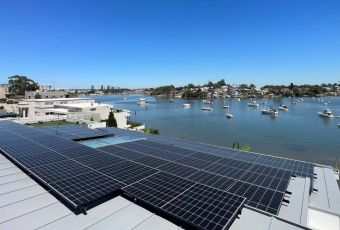
Solar Installations
Professional solar panel installation in Sydney for homes, businesses and strata properties.
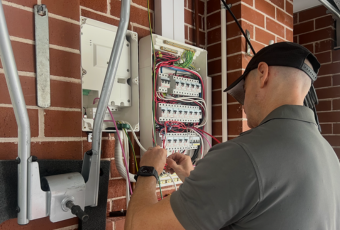
Solar Repairs
Reliable solar repairs in Sydney to fix faults, improve performance and keep your solar system working safely.
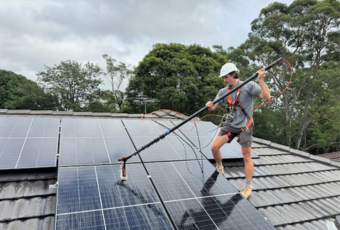
Solar Cleaning
Professional solar panel cleaning in Sydney to help improve efficiency, output and long-term system performance.
FAQs About Charging an EV With Solar Panels
Find clear answers to the most common questions Sydney homeowners ask about solar EV chargers, excess-solar charging, home batteries and system compatibility.
Can I charge an EV directly from rooftop solar?
Yes. Your solar inverter converts the electricity generated by the panels into electricity that can be used by the home and EV charger. A smart solar-compatible charger can provide greater control over how much solar and grid electricity is used.
Do I need a special EV charger to use solar power?
Not necessarily. A standard charger can use solar electricity while the panels are generating, but it may also import electricity from the grid. A solar-aware smart charger can monitor available surplus solar and adjust its output accordingly.
What is solar-surplus charging?
Solar-surplus charging directs rooftop solar that is not being used by the home into the EV. A compatible charger monitors household imports and exports and varies the charging rate according to the surplus available.
Can an EV charger use only excess solar?
Some compatible chargers provide a solar-only or excess-solar mode. Charging may slow or pause when there is not enough surplus generation. Other modes can blend solar with grid electricity to ensure the vehicle is ready on time.
What happens when a cloud reduces solar generation?
Depending on the charger and its settings, it may reduce its output, pause, draw from the grid or use electricity from the home battery. A properly configured smart charger can respond automatically.
How many solar panels do I need to charge an EV?
The answer depends on how far you drive, the EV’s efficiency and your household electricity use. As an illustration, an EV travelling 40 kilometres at 180 Wh/km would require about 7.2 kWh to replace that day’s driving, before charging losses.
Is a 6.6 kW solar system enough for EV charging?
It may be. The Australian Government estimates that a 6.6 kW Sydney solar system may generate around 26 kWh on an average sunny day. The amount available to the EV depends on household use, weather and when the car is connected.
Do I need 7 kW of solar for a 7 kW charger?
No. A compatible 7 kW charger can operate below its maximum output. It may charge at a lower rate when less excess solar is available.
Do I need a home battery to charge an EV with solar?
No. You can charge directly from solar while the car is home during the day. A battery can store excess generation for later use, but charging an EV may consume a substantial portion of a residential battery’s stored energy.
Can I stop my EV from draining the home battery?
Some integrated systems allow you to prevent the home battery from being used for EV charging. This depends on the charger, inverter, battery and energy-management platform.
Can I prioritise my home battery before the EV?
Yes, where the system supports configurable energy priorities. The setup may charge the home battery first, the EV first or divide available solar between them.
Does the EV charger need to match my solar inverter brand?
Not always. Some third-party chargers use independent monitoring equipment to provide solar-aware charging. Matching equipment within one ecosystem may provide simpler monitoring and more advanced coordination.
Can I add a solar-compatible charger to an older solar system?
Potentially. The system’s size, inverter, monitoring capability, switchboard and available surplus should be assessed. Additional metering or an inverter upgrade may be required for advanced controls.
Can solar panels completely charge an EV?
Yes, when enough solar energy is available over the charging period. A complete recharge of a large EV battery may take more than one day, while replacing normal daily driving may only require several kilowatt-hours.
Can I charge my EV from solar during a blackout?
Not usually with a standard grid-connected solar system. Blackout EV charging requires a compatible battery, backup system, charger and electrical design specifically capable of supporting the load.
Is a 7 kW charger suitable for solar charging?
A smart 7 kW charger is a practical option for many Sydney homes. It can provide fast home charging while adjusting its output to follow available solar where compatible controls are installed.
Can two EVs charge from the same solar system?
Yes. The available solar and electrical capacity can be shared through scheduled charging, power sharing or dynamic load management. The system should be designed around both vehicles and the home’s other electrical loads.
Blog
Related articles
Catch up on the latest MPV Solar news and insights.



MPV Solar is committed to providing industry-leading solar energy solutions across Sydney, backed by a proven track record of successfully completing over 5,000 projects. As a family-owned business, we prioritise personalised service and truly value our clients, ensuring that each system is tailored to meet your unique energy needs.
Copyright 2026. All Rights Reserved.
Created by Codex Digital and Yakka Consulting
Get in Touch
MPV Solar
Unit 3, 43-51 College St,
Gladesville NSW 2111
info@mpvgroup.com.au
(02) 9817 0333
Monday – Friday
8:30 – 5:00pm