Call Us
How Solar, Batteries and EV Charging Can Make the Most of Free Daytime Power
Free electricity between 11 am and 2 pm creates a new opportunity for Sydney homeowners with solar, batteries and EVs.
Under the Solar Sharer Offer, eligible NSW households can access up to 24 kWh of free electricity during the three-hour window each day. That electricity can be used immediately or, with a compatible system, stored in a home battery for use later.
But that does not mean you need a 24 kWh battery.
For many Sydney homes, the right battery size will depend more on how much electricity the household uses after 2 pm and overnight than on how much free electricity is available during the day.
If you’re new to the offer, read MPV Solar’s Solar Sharer Offer NSW guide first.
So, What Size Battery Do You Need?
There is no single battery size that suits every home.
A useful starting point is to look at how much electricity your household typically uses between 2 pm and the following morning.
For example:
- If you use around 6–8 kWh after 2 pm, a smaller battery may cover much of your evening consumption.
- If you use around 10–15 kWh, a battery within that usable-capacity range may be worth assessing.
- If you have an all-electric home, pool, large air conditioning system or EV, you may need 15–20 kWh or more.
The goal is not to install the biggest battery possible. It is to install enough storage to capture energy that you can realistically use later.
To compare battery options, visit MPV Solar’s solar battery storage solutions.
Can I Charge My Battery From Free Grid Electricity?
Potentially, yes. The battery must support grid charging and be configured correctly. Many modern battery systems can be programmed around:
- Scheduled charging periods
- Time-of-use tariffs
- Battery state of charge
- Solar generation
- Household demand
- Backup reserve levels
That means a compatible battery could potentially charge from free grid electricity between 11 am and 2 pm, then supply your home later when grid electricity is no longer free.
Can My Battery Automatically Charge During Free-Power Periods?
Many modern systems can. Depending on the battery and inverter, smart battery charging can automatically begin during a scheduled electricity period. A typical setup could be configured to:
- Use available rooftop solar.
- Charge the battery during the free 11 am–2 pm period.
- Run flexible household appliances at the same time.
- Store battery energy for the afternoon and evening.
Not every older battery or inverter has the same functionality, so compatibility should be checked before changing electricity plans or upgrading storage. Already have solar and want more storage? MPV Solar also explains whether additional battery capacity can be added to an existing system.
Is a Larger Battery Worth It if Electricity Is Free From 11 am to 2 pm?
Sometimes, but free charging alone is not a reason to oversize a battery. A larger battery may make sense if you:
- Have high evening and overnight electricity consumption
- Regularly empty your existing battery
- Run air conditioning into the evening
- Have an all-electric home
- Own an EV
- Want additional backup capacity
- Expect household electricity use to increase
A larger battery may offer less value if you regularly finish the night with significant stored energy remaining.
Your battery also needs to be able to charge quickly enough. For example, a 20 kWh battery would need to absorb roughly 6.7 kW per hour to add 20 kWh over three hours. Battery inverter capacity and the home’s electrical supply therefore matter alongside battery size.
Should I Charge My Battery or EV First?
This depends on how you use your home and vehicle.
Battery First
Prioritising the home battery may make sense when:
- Your evening electricity use is high
- Electricity becomes expensive after the free period
- Your EV can charge cheaply at another time
- You want stored energy available overnight
EV First
Prioritising the EV may be better when:
- The vehicle needs a substantial daily charge
- Your battery already has plenty of solar stored
- The EV is only home during part of the free window
- You would otherwise charge the vehicle from the grid later
Or Charge Both
For some homes, the best strategy will be charging the battery and EV at the same time.
The switchboard, electrical supply, EV charger and battery inverter need to be able to support the combined load.
For more on coordinating the two, read How to Charge Your EV With Solar and Battery in Sydney.
You can also explore MPV Solar’s Solar + Battery + EV system sizing guide.
Can I Use Free Electricity When It’s Raining?
Yes. One of the major advantages of the Solar Sharer Offer is that the free period is based on your electricity tariff, not how much solar your roof happens to be producing.
The NSW free-power window remains 11 am to 2 pm, including cloudy and rainy days, subject to the terms of your electricity plan.
That means your battery may potentially charge from free grid electricity when rooftop solar generation is low.
This could be particularly useful:
- During winter
- On cloudy days
- During extended rain
- When household demand consumes most of your solar production
Should I Still Install Solar if Electricity Is Free From 11 am to 2 pm?
For many Sydney homes, yes. The free electricity period only covers three hours of the day. You still pay for electricity used outside the free-power window as well as your daily supply charge. Solar can generate electricity for hours before and after 11 am–2 pm.
A well-designed home energy system could work like this:
Morning: Solar powers the home and reduces grid imports.
11 am–2 pm: Free grid electricity, rooftop solar, battery charging and EV charging can work together.
Afternoon: Solar continues powering the home after the free period ends.
Evening: Stored battery energy can help reduce electricity purchased from the grid.
Free electricity therefore does not necessarily replace solar. It can make solar + battery + smart energy management even more interesting.
Learn more about charging an EV with rooftop solar.
What if My Solar Battery Is Already Full by 11 am?
Then your battery may have little spare capacity available for free grid charging. But the free electricity does not need to be wasted. You could shift other flexible loads into the 11 am–2 pm period, including:
- EV charging
- Washing machine
- Dishwasher
- Clothes dryer
- Air conditioning
- Electric hot water
- Pool equipment
This is why looking at the whole home energy system matters. For some households, changing when appliances run may deliver greater value than simply installing a larger battery.
Do I Need Solar to Access Free Daytime Electricity?
No. Eligible NSW households do not need rooftop solar to access the Solar Sharer Offer. A compatible smart meter and other eligibility requirements apply.
However, combining rooftop solar with a battery and smart electricity plan can give homeowners more opportunities to reduce electricity purchased outside the free period.
How Should You Size a Battery for Free Electricity?
To choose the right home battery size for free electricity, MPV Solar considers:
- Electricity use: daily, evening and peak household demand
- Solar system: system size, generation, excess solar and inverter capacity
- Battery: usable capacity, charging rate, grid charging and smart scheduling
- EV charging: daily driving, charging needs and whether the EV or battery should charge first
- Electricity plan: free electricity periods, off-peak rates, supply charges and feed-in tariffs
The goal isn’t simply to install the biggest battery possible. It’s to choose a solar battery system that can store the free or excess electricity your household will realistically use later.
Make Solar, Battery, EV and Free Electricity Work Together
The way Sydney homes use electricity is changing.
It is no longer simply: Solar → Home
A modern home energy system may involve: Solar + Battery + EV + Electricity Plan
The best result comes when all four are designed to work together.
MPV Solar can assess your current electricity use, solar production, battery requirements, EV charging and electricity tariff before recommending a system.
Not sure whether a 10 kWh, 15 kWh or larger battery makes sense? Send MPV Solar a recent electricity bill and we can assess your usage before recommending the right battery size.
Complete Solar Solutions
Solar Installations, Repairs & Cleaning Across Sydney
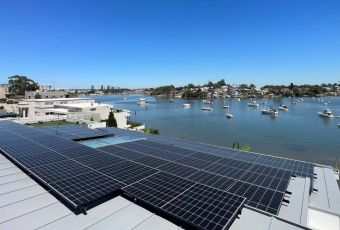
Solar Installations
Professional solar panel installation in Sydney for homes, businesses and strata properties.
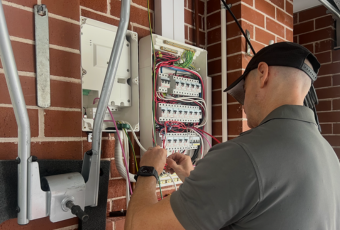
Solar Repairs
Reliable solar repairs in Sydney to fix faults, improve performance and keep your solar system working safely.
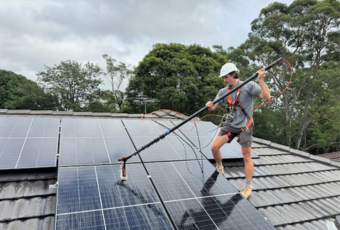
Solar Cleaning
Professional solar panel cleaning in Sydney to help improve efficiency, output and long-term system performance.
FAQs About Batteries & Free Daytime Electricity
These FAQs answer the most common questions Sydney homeowners are asking about battery size, free grid charging, the Solar Sharer Offer, EV charging and rooftop solar.
Can I charge my battery from free grid electricity?
Potentially, yes. Eligible households can use electricity during the Solar Sharer free 11 am–2 pm window to charge a compatible home battery. Your battery must support grid charging and be configured appropriately.
Can my battery automatically charge during free-power periods?
Many modern batteries support scheduled or time-of-use grid charging, allowing the system to automatically charge during a nominated free-power period.
How big a battery do I need for free daytime electricity?
The right battery size should generally be based on how much stored electricity your household can use after 2 pm, together with solar production, EV charging and future electricity requirements.
Should I charge my battery or EV first?
It depends on your evening electricity consumption, EV charging needs and when the vehicle is at home. Some households may benefit from charging both during the free period.
Is a larger battery worth it if electricity is free from 11 am to 2 pm?
Only if you can regularly use the additional stored electricity. Installing excess battery capacity simply because free electricity is available may not deliver the best financial result.
Can I use free electricity when it is raining?
Yes. The Solar Sharer free-power period applies regardless of how much electricity your own rooftop solar system is producing.
Should I still install solar if I have a free-electricity plan?
For many homes, yes. Solar can continue reducing grid electricity use throughout the rest of the daylight period, while a battery can store energy for use after solar production falls.
Do I need solar to access the Solar Sharer Offer?
No. Eligible households can access the offer without rooftop solar, provided they meet the relevant smart-meter, retailer and eligibility requirements.
Can I charge my EV and battery at the same time?
Potentially. Your switchboard, electrical supply, battery inverter and EV charger must be able to support the combined load. Smart load management may help coordinate charging.
Blog
Related articles
Catch up on the latest MPV Solar news and insights.



MPV Solar is committed to providing industry-leading solar energy solutions across Sydney, backed by a proven track record of successfully completing over 5,000 projects. As a family-owned business, we prioritise personalised service and truly value our clients, ensuring that each system is tailored to meet your unique energy needs.
Copyright 2026. All Rights Reserved.
Created by Codex Digital and Yakka Consulting
Get in Touch
MPV Solar
Unit 3, 43-51 College St,
Gladesville NSW 2111
info@mpvgroup.com.au
(02) 9817 0333
Monday – Friday
8:30 – 5:00pm