


 Call Us
A smart meter can record electricity imports and exports in short time intervals, commonly 15 or 30 minutes. That data helps show when your home buys energy from the grid and when it exports surplus solar. For solar and battery sizing, it is often much more useful than a quarterly bill alone. But a grid meter does not necessarily show your home’s total consumption or rooftop solar generation; existing solar owners also need inverter or monitoring data to see what was produced and used behind the meter.
Why Isn’t an Electricity Bill Enough to Size Solar?
Two Sydney homes can each use 600 kWh a month but have completely different energy patterns.
One might use most electricity during daylight hours because people work from home and run air conditioning. The other might consume most of its electricity after 6 pm.
The monthly total is the same, but their best solar and battery strategies may be very different. A suitable design depends not just on how much electricity the property uses, but when it is used.
What Is Smart Meter Interval Data?
Smart meters record electricity flow throughout the day and send readings to the relevant retailer or metering systems. Interval data divides usage into small blocks, typically every 15 or 30 minutes rather than presenting only a period total.
This can reveal seasonal differences, daytime imports, nighttime consumption, weekends and changes after a new appliance or EV is installed.
What Can Your Smart Meter Tell You About Solar?
For a home that already has rooftop solar, the billing meter commonly records:
Grid imports: Electricity drawn from the public network when household consumption exceeds available onsite generation or storage.
Grid exports: Electricity sent into the public network when generation exceeds the home’s use and storage needs, subject to settings.
Those values help establish whether the household has large daytime surplus or still depends heavily on the grid. However, solar electricity consumed directly in the home usually never passes through the grid meter as an import or export. For the full picture, combine meter data with solar inverter production data and any battery monitoring records.
How Do You Get Your Electricity Interval Data in NSW?
Start with your electricity retailer’s online account or app. Some retailers display daily or half-hourly usage graphs and provide downloads. You can also request interval meter data through your distributor or relevant metering arrangements. The Australian Government recommends requesting a full year of data where available.
For more detailed analysis, businesses and some customers use a structured NEM12 meter-data file. You do not need to interpret this format yourself to benefit: MPV Solar can discuss what format is useful for the proposed assessment. If you do not yet have a smart meter, historical monthly bills can still provide a starting point, but the design may have greater uncertainty.
What Patterns Should You Look For?
Three simple patterns are particularly useful.
High daytime imports: If the home regularly buys electricity while the sun is up, a new or expanded solar array may be relevant, depending on roof conditions and existing generation.
Consistent midday exports: This can indicate surplus solar that may be available for battery charging, hot water or EV use. But check the inverter output and battery behaviour before concluding how much storage is appropriate.
Large evening and overnight imports: These are loads a battery might help offset if there is enough affordable energy to charge it and the proposed battery can supply the required power.
Patterns across a full season matter more than one unusually hot, cold or cloudy day.
How Does Interval Data Help Choose Solar System Size?
New solar design starts with existing consumption, usable roof area, shading, orientation and anticipated future loads. Interval data adds the daily shape of that consumption.
For example, a home with strong daytime usage may self-consume a large portion of solar as it is generated. Another with low daytime use might export more power unless some loads can be scheduled for daylight or stored in a battery.
The right size is not determined by applying one number to your quarterly bill. MPV Solar can compare alternatives using Residential Solar and Residential Solar Packages.
How Does Interval Data Help Choose Battery Size?
A battery’s useful size depends on how much energy you can regularly put into it and use later. If you export significant energy each day and import electricity after sunset, those patterns provide a starting point.
But avoid simply adding up all exports and choosing that number as your battery capacity. Some exports occur in short spikes, some days have little solar, and a battery’s charge/discharge power, usable capacity, reserve settings and efficiency all affect performance.
MPV Solar already has a dedicated What Size Solar Battery Do I Need? guide. This article helps you gather and interpret the data needed to apply that decision to your own home.
What If You Already Have Solar but the App Shows Different Numbers?
That can be normal. Your inverter might show solar generation, while your retailer app shows only grid imports and exports. They measure different parts of the system.
For a home without a battery, total household consumption over a period is broadly the electricity imported from the grid plus the portion of solar generation used onsite. Working out onsite solar use requires generation and export information from matched periods. Once a battery is involved, charging, discharging, losses and metering layout must also be accounted for.
This is why two screens can display different daily kWh figures without either being wrong.
See How Much Should My Solar System Produce Each Day in Sydney? for interpreting your solar production figure.
Does Smart Meter Data Show Whether Your Solar Is Faulty?
It can provide clues, but it cannot reliably diagnose every fault. High imports on a sunny day could be caused by unusually high demand, an inverter fault, unexpected battery behaviour or something else.
Review the solar app, inverter alerts and weather alongside the meter data. If production has fallen persistently, see MPV Solar’s Solar Panel & Inverter Repair Specialists for a professional assessment.
Should You Include an EV, Heat Pump or Air Conditioning in the Data Review?
Absolutely. Last year’s consumption may understate the load of a home that is about to switch to an EV, heat-pump hot water, induction cooking or ducted air conditioning.
For planned changes, MPV Solar would model the additional kWh and likely operating hours rather than assuming the historical meter data already includes those loads. Review Solar + Battery + EV for the wider electrified-home design approach.
What Should You Send MPV Solar?
Useful information includes 12 months of interval data where available, recent bills with tariffs, the existing solar and battery models, inverter monitoring screenshots, any proposed new appliances, EV driving plans and the goals you want the system to achieve.
Only send information through a channel you trust, and do not post identifying electricity-account or meter details publicly. The aim is to understand energy patterns and make a more accurate recommendation.
Already have solar or considering a battery? Your meter data can help answer whether the next step is more panels, storage, smarter timing or no additional equipment at all.
Complete Solar Solutions
Solar Installations, Repairs & Cleaning Across Sydney
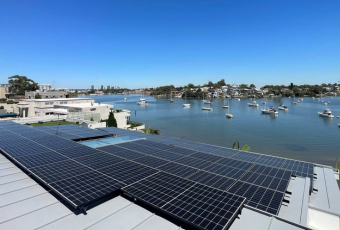
Solar Installations
Professional solar panel installation in Sydney for homes, businesses and strata properties.
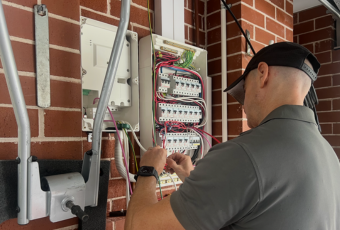
Solar Repairs
Reliable solar repairs in Sydney to fix faults, improve performance and keep your solar system working safely.
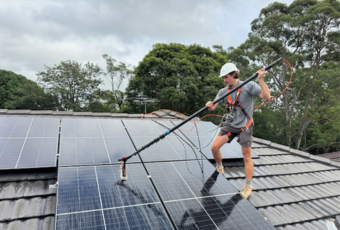
Solar Cleaning
Professional solar panel cleaning in Sydney to help improve efficiency, output and long-term system performance.
Smart Meter Data for Solar FAQs
We answer the most common questions Sydney homeowners ask about accessing electricity usage data, understanding energy consumption, choosing the right solar and battery system size, and maximising solar savings.
Can smart meter data help size a solar system?
Yes. Interval data reveals when grid electricity is used, allowing solar generation to be compared with the home’s demand patterns and future energy needs.
How do I download smart meter data in NSW?
Check your electricity retailer’s account or app and ask for interval data. Your distributor or metering arrangements may also provide access; a year of data is useful where available.
What is electricity interval data?
It is electricity metering information recorded in short periods, commonly 15 or 30 minutes, rather than only a monthly or quarterly total.
What is NEM12 data?
NEM12 is a structured format used for interval electricity meter data in the National Electricity Market. It may be supplied for more detailed analysis.
Does a smart meter show how much solar my panels generate?
Not necessarily. The grid meter commonly records imports and exports; the inverter or solar monitoring platform shows solar production and may also provide consumption data.
Can smart meter data show how much battery storage I need?
It helps by showing imports and exports over time, but battery selection also needs solar generation, usable capacity, charging/discharging limits, tariffs and household plans.
Why do my inverter app and electricity retailer app disagree?
They often report different measurements, such as gross solar generation versus grid imports/exports. Check what each number means and whether the time periods match.
How many months of meter data should I use?
Ideally around 12 months, so seasonal and weekday/weekend patterns are represented. Shorter records can still provide useful preliminary information.
What if I don’t have a smart meter yet?
Your electricity bills, appliance information and future load plans can still support an initial assessment, although some detailed timing information may be missing.
Can MPV Solar use my interval data to check an existing system?
MPV Solar can review your energy usage, solar production and relevant equipment details to assess whether the system suits your household’s current and future needs.



MPV Solar is committed to providing industry-leading solar energy solutions across Sydney, backed by a proven track record of successfully completing over 5,000 projects. As a family-owned business, we prioritise personalised service and truly value our clients, ensuring that each system is tailored to meet your unique energy needs.
Copyright 2026. All Rights Reserved.
Created by Codex Digital and Yakka Consulting
Get in Touch
MPV Solar
Unit 3, 43-51 College St,
Gladesville NSW 2111
info@mpvgroup.com.au
(02) 9817 0333
Monday – Friday
8:30 – 5:00pm

