Call Us
Can You Really Be Charged for Exporting Solar in Sydney?
Yes, in some circumstances. For solar customers in the Ausgrid network, two-way solar pricing means the network price can include a charge for some solar electricity exported during the middle of the day, as well as a reward for exports later when electricity demand is higher.
But this does not mean every kilowatt-hour of solar you export attracts a charge. And it doesn’t necessarily mean you’ll see a separate “solar export charge” on your electricity bill.
Ausgrid applies its network pricing to electricity retailers. Your retailer then decides how those network charges and rewards are incorporated into the electricity plan it offers you.
For Sydney solar owners, the bigger question is therefore not simply: “Am I being charged to export solar?” It is: “Am I making the best use of the solar electricity my system generates?”
For some households, shifting more electricity use into the middle of the day may help. For others, a solar battery installation in Sydney could allow more surplus solar to be stored for later use.
How Do Ausgrid Solar Export Charges Work?
Ausgrid’s two-way solar pricing has three main components.
1. A Free Daytime Export Threshold
Ausgrid provides a threshold for solar electricity exported between 10am and 3pm before its network export charge applies. The nominal threshold is based on 200 kWh per month, adjusted according to the number of days in the billing month.
2. A Charge Above the Threshold
Once midday solar exports exceed the applicable free threshold, Ausgrid’s two-way network tariff applies a charge to additional exports during the 10am–3pm period.
3. A Reward for Later Exports
Ausgrid also provides a network reward for electricity exported between 4pm and 9pm, when electricity demand is typically higher.The purpose is to encourage households to use more solar electricity during periods of abundant daytime generation and, where possible, shift exports into periods when the network values them more.
How Much Is the Ausgrid Solar Export Charge?
Ausgrid’s current public two-way pricing information lists a network charge of 1.23 cents per kWh for eligible exports above the free daytime threshold and a network reward of 3.85 cents per kWh for exports between 4pm and 9pm.
However, these figures should not be confused with the final rate you necessarily see on your electricity bill.
Ausgrid charges the electricity retailer.
The retailer decides how it incorporates the network charge and reward into its retail electricity plans, which means the structure and value offered to customers can differ.
Before changing the way you use your solar, check the actual electricity plan you are on.
Is This the Same as a Solar Feed-In Tariff?
No. This is one of the most important distinctions for Sydney homeowners. A solar feed-in tariff is generally the amount your electricity retailer pays you for excess solar electricity exported to the grid.
A two-way solar network tariff relates to the cost or reward associated with using the electricity network to export energy at different times.
They interact, but they are not the same thing.That means your retailer might still provide a feed-in tariff while also incorporating Ausgrid’s two-way network pricing into the overall structure of its electricity offer.
For a detailed explanation of retailer export payments, read MPV Solar’s NSW Feed-In Tariff Guide 2026.
Is This the Same as a Solar Export Limit?
No. Another easy point of confusion is the difference between an export price and an export limit. An export charge affects the financial treatment of electricity you send to the grid.
An export limit controls how much electricity your system is technically permitted to send to the network.
From late 2026, eligible new and upgraded Sydney solar systems are also moving towards new flexible and fixed export arrangements.
Those rules are separate from Ausgrid’s two-way pricing.
MPV Solar explains the technical side in Flexible Solar Exports NSW 2026.
A simple way to remember the difference is:
Feed-in tariff = what your retailer pays for exports
Two-way pricing = network pricing based partly on when you export
Export limit = how much your solar system can send to the grid
Why Would Ausgrid Charge for Midday Solar Exports?
Sydney now has a large amount of rooftop solar generation. On sunny days, many solar systems produce their highest output at roughly the same time.
If households are not using that electricity themselves, a large amount of solar can be exported into the electricity network during the middle of the day.
Ausgrid’s two-way pricing is designed to encourage solar owners to:
- use more of their own solar during the day
- reduce unnecessary midday exports
- shift flexible electricity consumption into solar hours
- export electricity later when network demand is higher
For homeowners, this reinforces a broader shift in the value of rooftop solar.
The goal is increasingly not simply: Generate as much solar as possible and export the excess.It is: Generate solar and use that electricity at the most valuable time for your home.
What Can You Do Instead of Exporting Solar?
Before buying a battery, start with the simplest option: use more of your solar yourself.
If you generate significant excess solar between 10am and 3pm, consider whether flexible household loads can run during those hours.
Depending on the home, that might include:
- dishwasher cycles
- washing machines
- clothes dryers
- pool pumps
- electric hot water
- air conditioning
- other programmable appliances
Every kilowatt-hour of solar used directly in your home is electricity you don’t need to export and may reduce the electricity you need to buy from the grid at another time.This is known as solar self-consumption.
Should You Install a Battery Instead of Exporting Solar?
Potentially, but export charges alone are not enough reason to buy a battery. A solar battery allows surplus daytime generation to be stored instead of immediately exported. That energy can then be used later in the afternoon, evening or overnight when your solar panels are producing less electricity.
The basic energy journey becomes:Solar panels → home electricity use → battery charging → remaining solar exports
Then later: Battery → household evening consumption → reduced grid imports
For a household that exports a large amount of solar during the day and purchases significant electricity back from the grid in the evening, this can be worth assessing.
But a battery still needs to be appropriately sized around the home’s:
- solar generation
- surplus solar exports
- evening and overnight consumption
- electricity tariff
- existing inverter
- future electricity requirements
- available battery incentives
MPV Solar can review this data before recommending whether solar battery storage makes sense for your home.
Don’t Buy a Battery Just to Avoid a Small Export Charge
This is important. The potential value of a battery usually comes from much more than simply avoiding an export charge.
For many households, the larger financial opportunity is using stored solar electricity instead of purchasing grid electricity later.
So the comparison should not simply be: Export charge vs battery cost It should consider: the value of solar exported + the cost of electricity bought later + battery efficiency + battery cost + available incentives + your household usage pattern.
This is why MPV Solar recommends using actual consumption and export data when assessing storage.A battery should solve a genuine household energy need, not be installed because of one tariff headline.
Could a Battery Export Solar Later in the Day?
Potentially. A battery can store energy generated earlier in the day and, depending on the system, electricity plan and battery settings, export stored electricity later.
This becomes especially relevant where later exports attract stronger rewards or where the homeowner participates in a Virtual Power Plant (VPP).
A VPP can allow a provider to access agreed battery capacity at particular times to support the grid, potentially in return for incentives, payments or bill credits.
The economics and conditions vary substantially by provider.
If you’re considering this type of setup, read Virtual Power Plant NSW and MPV Solar’s NSW VPP Battery Incentive 2026.
Does a Battery Stop All Solar Exports?
Not necessarily. A battery has finite storage capacity. Once the battery is charged and the home does not need all the solar being generated, additional electricity may still be exported to the grid.
For example:
Solar generation: high
Household daytime use: low
Battery: fully charged
Result: remaining excess solar may still be exported
The goal of a battery is not necessarily to eliminate exports completely.It is to improve how much of your solar generation can be used at times when it provides greater value to your household.
Could Changing Your Electricity Usage Be Better Than Installing a Battery?
For some homes, yes. Before investing in storage, look at whether household electricity consumption can be shifted into solar hours.
If you’re normally exporting electricity at lunchtime but running appliances during the evening, simply rescheduling some loads may improve solar self-consumption without any major equipment changes.
The right order is often:
1. Understand when you generate electricity
2. Understand when you consume electricity
3. Identify how much you’re exporting
4. Shift flexible loads where practical
5. Assess whether the remaining surplus justifies battery storage
This creates a much better battery decision than starting with the size of a battery package.
How Does the NSW Solar Sharer Offer Fit In?
The NSW Solar Sharer Offer adds another piece to the equation. Eligible households can access electricity plans that provide at least three hours of free electricity during the middle of the day.
That means homeowners increasingly need to think about solar generation, grid electricity, batteries and tariffs as one connected energy system. For example, depending on your plan and equipment, the midday period could potentially be used for:
- household appliances
- electric hot water
- battery charging
- other flexible electricity loads
But free daytime electricity does not automatically make solar or battery storage unnecessary.
What matters is the overall electricity plan, including rates outside the free period and how much electricity your household can realistically shift. Read NSW Solar Sharer Offer for MPV Solar’s detailed guide.
What If Your Feed-In Tariff Is Already Low?
Then your solar self-consumption becomes even more important. If you receive relatively little for exporting excess solar but pay considerably more to purchase electricity later, storing or directly using that solar may become more attractive.
That doesn’t automatically mean a battery will provide the best financial return.
But it changes the question from: “Which retailer offers the highest feed-in tariff?” to: “How much of my own solar can I actually use?”
For more on changing retailer payments, see MPV Solar’s NSW Feed-In Tariff Guide 2026.
What If My Solar System Doesn’t Generate Enough Surplus Energy?
Then a battery may not be the first upgrade your home needs. A battery stores energy. It doesn’t create it.
If your household already consumes most of its solar generation during the day, you may have limited excess electricity available to regularly recharge a battery.
In that situation, MPV Solar may recommend assessing whether the solar system needs to be expanded before or alongside battery installation.
If you already have an older or smaller system, see Solar System Upgrades & Expansion Sydney.
You can also read Is Your Existing Solar System Big Enough for a Battery? for a more detailed explanation.
What Should Sydney Solar Owners Check First?
1. Your Solar Exports: How much solar electricity are you currently sending to the grid, particularly during the middle of the day?
2. Your Evening Grid Usage: How much electricity do you buy back from the grid once solar production falls?
3. Your Electricity Plan: What feed-in tariff are you receiving, how does your retailer treat two-way network pricing, and what do you pay for electricity at other times?
Those three numbers tell you far more than an export charge viewed in isolation.
Should You Store Your Solar Instead?
For some Sydney homes, yes. A household that exports substantial solar during the day and buys significant electricity from the grid later may have a strong reason to investigate battery storage.
But the best approach may also be:
- use more solar during the day
- change electricity plans
- adjust appliance schedules
- install a battery
- join a VPP
- expand an undersized solar system
or a combination of these.There is no universal answer because two homes with identical solar systems can have completely different consumption patterns.
Find Out Where Your Solar Electricity Is Going
If you’re exporting a lot of solar but still receiving substantial electricity bills, the first step isn’t choosing a battery. It’s understanding your energy flow.MPV Solar can review your:
- existing solar system
- solar generation
- electricity bill
- grid imports
- solar exports
- daytime consumption
- evening electricity use
- battery options
- current incentives
From there, we can assess whether your home would benefit from improved solar self-consumption, battery storage or a broader solar system upgrade.
Explore Solar Battery Installation Sydney or send MPV Solar your latest electricity bill and existing solar details for an assessment.
Complete Solar Solutions
Solar Installations, Repairs & Cleaning Across Sydney
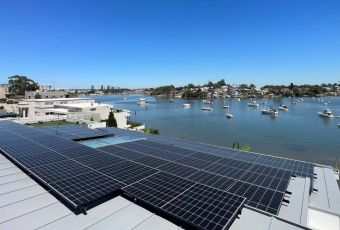
Solar Installations
Professional solar panel installation in Sydney for homes, businesses and strata properties.
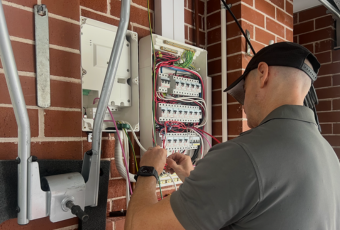
Solar Repairs
Reliable solar repairs in Sydney to fix faults, improve performance and keep your solar system working safely.

Solar Cleaning
Professional solar panel cleaning in Sydney to help improve efficiency, output and long-term system performance.
Solar Export Charges in Sydney FAQs
Find answers to common questions about solar export charges in Sydney, Ausgrid’s two-way solar tariff, paying to export solar and whether battery storage can help you use more of your solar energy.
Do I have to pay to export solar in Sydney?
Some customers in the Ausgrid network are subject to two-way network pricing. The tariff includes a free daytime export threshold, after which a network export charge applies during the 10am–3pm period. How that pricing appears in your electricity offer depends on your retailer.
What is the Ausgrid solar export charge?
Ausgrid’s current public information lists a charge of 1.23 cents per kWh for eligible exports above the free threshold between 10am and 3pm. Your electricity retailer determines how network pricing is incorporated into its retail offer.
How much solar can I export for free with Ausgrid?
Ausgrid describes its free threshold as 200 kWh per month, adjusted based on the number of days in the month, for exports between 10am and 3pm.
Does Ausgrid reward solar exports?
Yes. Ausgrid’s public two-way pricing information includes a network reward for exports between 4pm and 9pm, when electricity demand is typically higher.
Is an export charge the same as a feed-in tariff?
No. A feed-in tariff is generally the credit your retailer provides for exported solar. The two-way tariff is a network pricing mechanism associated with when electricity is exported.
Is an export charge the same as a solar export limit?
No. An export charge relates to pricing. An export limit controls the amount of electricity your solar system is permitted to export. Read Flexible Solar Exports NSW 2026 for more information.
Does a battery avoid solar export charges?
A battery can reduce the amount of solar exported during the day by storing excess generation for later use. However, once the battery is full, additional surplus electricity may still be exported.
Should I install a battery because of solar export charges?
Not on that factor alone. A battery should be assessed based on your solar generation, exports, evening consumption, electricity tariff, system compatibility, battery cost and available incentives.
Can a battery export electricity during the evening reward period?
Potentially, depending on the battery system, settings, electricity plan and any VPP arrangement. Check the technical and contractual conditions before assuming stored electricity can be exported at a particular rate.
Can MPV Solar check whether battery storage makes sense for my home?
Yes. Send MPV Solar your latest electricity bill and details of your existing solar system. We can assess your generation, exports and energy usage and determine whether battery storage, solar expansion or another change is worth considering.



MPV Solar is committed to providing industry-leading solar energy solutions across Sydney, backed by a proven track record of successfully completing over 5,000 projects. As a family-owned business, we prioritise personalised service and truly value our clients, ensuring that each system is tailored to meet your unique energy needs.
Copyright 2026. All Rights Reserved.
Created by Codex Digital and Yakka Consulting
Get in Touch
MPV Solar
Unit 3, 43-51 College St,
Gladesville NSW 2111
info@mpvgroup.com.au
(02) 9817 0333
Monday – Friday
8:30 – 5:00pm