Call Us
A Sydney Homeowner’s Guide to Solar System Size, Winter Output, Batteries and Long-Term Savings
Choosing the right solar system size is one of the most important decisions you can make when installing solar.
But in winter, that decision becomes even more important.
Sydney solar panels still work in winter, but shorter daylight hours, lower sun angles, cloud cover, shading, dirt, leaf debris and higher evening energy use can all affect how much solar power your home produces and uses.
That is why many homeowners are now asking: what size solar system works best in winter?
The answer depends on your roof, electricity usage, household size, daytime energy use, battery plans, EV charging plans and how much future energy flexibility you want.
For many Sydney homes, a larger and well-designed solar system can perform better across winter because it gives the home more opportunity to generate usable solar energy during shorter daylight periods. However, bigger is not automatically better. The system needs to be matched to your home, your roof and your energy habits.
This guide explains how to compare 6.6kW, 10kW and 13.2kW solar systems in Sydney, how winter affects solar output, and when adding a solar battery may make sense.
Quick Answer: What Size Solar System Works Best in Winter?
The best solar system size for winter in Sydney is usually the system that produces enough daytime solar energy to cover household usage, charge a battery if installed, and allow for future energy needs such as EV charging or electric appliances.
For many Sydney homes, a 6.6kW solar system can be a strong entry-level option, a 10kW solar system can suit families with higher energy use, and a 13.2kW solar system may suit larger homes, battery-ready homes or households planning for EV charging.
However, the best solar system size is not based on winter alone.
A solar system should be designed around year-round electricity usage, roof space, shading, inverter capacity, export limits, budget, battery plans and future energy goals.
MPV Solar can assess your Sydney home and recommend a solar system size that works through winter and across the rest of the year.
Why Solar System Size Matters More in Winter
Solar system size matters in winter because your panels have fewer daylight hours to generate electricity.
In summer, longer days and stronger sunlight give your system more time to produce power. In winter, the generation window is shorter, and the sun sits lower in the sky.
This means a smaller solar system may produce less usable energy during the colder months, especially if your home uses more power in the morning, evening or on cloudy days.
A larger solar system may generate more electricity during the limited winter sunlight window, which can help cover daytime appliances, charge a battery, support work-from-home loads or reduce grid electricity use.
However, system size is only one part of the equation.
A well-positioned 6.6kW system with minimal shading may perform better than a larger system affected by heavy winter shade. That is why roof design, orientation, inverter setup and installation quality matter.
Do Bigger Solar Systems Work Better in Winter?
A bigger solar system can produce more electricity in winter, but only if the roof, orientation and system design support it.
More panels generally mean more generation capacity. In winter, when solar production is naturally lower, that extra capacity can help your home capture more available sunlight.
This can be useful for Sydney households with high daytime usage, larger families, pool pumps, ducted air conditioning, work-from-home energy use, solar batteries or EV charging.
However, bigger is not always better.
A solar system should not be oversized without considering roof space, shading, inverter limits, export restrictions, battery plans and how much power your home actually uses.
The best winter solar system is not just the biggest system. It is the system that is properly sized, well-positioned and designed around your energy use.
What Size Solar System Is Best for a Sydney Home?
The best solar system size for a Sydney home depends on your electricity usage and future plans.
A smaller household with moderate energy use may suit a 6.6kW solar system.
A family home with higher daytime usage may be better suited to a 10kW solar system.
A larger household, battery-ready home or property planning for EV charging may benefit from a 13.2kW solar system or larger, depending on roof space and network requirements.
The key is to look at how your home uses energy.
- Do you use more power during the day or at night?
- Do you work from home?
- Do you have a pool pump?
- Do you use electric hot water?
- Are you planning to add a solar battery?
- Do you have or plan to install an EV charger?
- Are you moving more appliances from gas to electric?
- Do you want stronger winter performance?
These questions matter because solar sizing should be based on real usage, not guesswork.
6.6kW Solar System in Winter
A 6.6kW solar system is one of the most common residential solar system sizes in Australia and can be a practical option for many Sydney homes.
It may suit smaller to mid-sized households, couples, small families or homes with moderate electricity use.
In winter, a 6.6kW solar system can still generate useful power during the day, especially if the roof has good sun exposure and minimal shading.
It may help offset daytime appliance use, lighting, home office equipment, pool pumps or other daytime loads.
However, a 6.6kW system may be more limited if your household uses a lot of electricity, wants to charge a battery, plans to install an EV charger or has higher winter evening energy use.
If you are considering a battery in the future, it is worth checking whether a 6.6kW system will generate enough excess solar to charge the battery properly across the year.
A 6.6kW solar system can be a great fit for the right home, but winter performance depends heavily on roof orientation, shading and usage patterns.
10kW Solar System in Winter
A 10kW solar system can be a strong option for Sydney families and households with higher energy use.
This size may suit homes with multiple occupants, work-from-home usage, pool equipment, electric hot water, ducted air conditioning, large appliances or plans to add a battery.
In winter, a 10kW solar system gives the home more generation capacity during shorter daylight hours. This can help improve daytime self-consumption and may provide more opportunity to charge a battery compared with a smaller system.
A 10kW solar system may also be useful for homes preparing for future electrification, such as EV charging, induction cooking, heat pump hot water or moving away from gas appliances.
However, a 10kW system needs enough suitable roof space and a proper electrical design.
It should also be assessed against your electricity usage, inverter setup, export limits, battery plans and roof shading.
For many Sydney homes, a 10kW solar system can provide a strong balance between system size, winter performance and future flexibility.
13.2kW Solar System in Winter
A 13.2kW solar system can suit larger Sydney homes, high-energy households and properties planning for batteries, EV charging or more electric appliances.
This system size may be suitable if your home has strong daytime usage, a large roof, minimal shading and enough demand to make use of the additional generation.
In winter, a 13.2kW system can provide more generation potential during shorter days, which may help support daytime loads and battery charging.
It may be worth considering for large families, homes with pools, home offices, electric hot water, ducted air conditioning, battery storage or EV charging needs.
However, a 13.2kW system should be carefully designed.
You need to consider roof space, panel layout, inverter capacity, export limits, switchboard suitability and whether the home can use or store enough of the solar energy produced.
A 13.2kW system can be powerful, but it needs to be matched to the property. Oversizing without a clear plan can reduce the financial return.
Is a 6.6kW, 10kW or 13.2kW Solar System Best for Winter?
There is no single best solar system size for every Sydney home.
A 6.6kW solar system may be best for smaller homes, moderate users and households wanting a practical entry-level solar system.
A 10kW solar system may be best for families, higher daytime users and homes planning for a battery or future energy upgrades.
A 13.2kW solar system may be best for larger homes, high-energy households, battery-ready properties and homes preparing for EV charging or all-electric living.
The best size depends on your household usage, roof, shading, budget, inverter setup and long-term energy goals.
For winter performance, the goal is to choose a system that generates enough power during shorter daylight hours without creating unnecessary oversizing or export issues.
MPV Solar can compare system sizes and recommend the right option for your Sydney home.
Why Winter Solar Output Is Lower Than Summer
Winter solar output is usually lower than summer output because there is less sunlight available across the day.
Sydney winter days are shorter. The sun sits lower in the sky. Shadows can be longer. Cloudy days may be more common. Panels may also be affected by dirt, leaves, bird droppings or storm debris.
This does not mean solar does not work in winter.
It simply means your system has a smaller generation window, so correct system sizing and good design become more important.
A well-designed solar system can still produce valuable energy in winter and reduce how much electricity you buy from the grid.
How Roof Orientation Affects Winter Solar System Size
Roof orientation plays a major role in winter solar performance.
North-facing panels usually receive strong sunlight across the day in Sydney and can be a good option for overall annual generation.
East-facing panels can generate more power in the morning, while west-facing panels can generate more power in the afternoon.
This can be useful if your household uses more electricity at certain times of day.
In winter, orientation becomes even more important because the sun is lower and the daily generation window is shorter.
A good solar design should consider where and when your roof receives sunlight, not just how many panels can fit.
If your roof has multiple orientations, MPV Solar can design a system that balances generation across the day and supports your household usage pattern.
How Shading Affects Solar System Size in Winter
Shading can have a bigger impact in winter because shadows are longer.
Trees, chimneys, roof vents, antennas, neighbouring houses and apartment buildings may cast shadows over panels during parts of the day.
A larger system may help increase total generation, but it cannot fully solve heavy shading if panels are placed in the wrong position.
Before choosing a solar system size, your roof should be assessed for winter shading.
If shading is significant, the system design may need to consider panel placement, string layout, inverter selection, optimisers or microinverters, depending on the property.
The right design can help reduce shading impacts and improve winter performance.
Does Panel Quality Matter in Winter?
Panel quality matters in every season, including winter.
Quality solar panels can provide better long-term performance, stronger warranties and more reliable output over time.
In winter, when available sunlight is lower, you want your system to capture and convert sunlight as effectively as possible.
However, panel quality alone does not guarantee strong winter performance. The system still needs good design, correct orientation, minimal shading, a suitable inverter and safe installation.
A high-quality solar system is a combination of the right panels, the right inverter, the right layout and the right installer.
Does Inverter Size Matter for Winter Solar Performance?
Yes, inverter sizing can affect how your solar system performs.
The inverter converts power from the solar panels into electricity your home can use. The relationship between panel capacity and inverter capacity should be designed carefully.
Many residential solar systems have more panel capacity than inverter capacity, but this should be done within system rules and based on proper design.
In winter, the system may not reach its peak rating as often as it might during ideal summer conditions, but inverter sizing still matters for year-round performance.
The right inverter setup should consider your panel capacity, roof orientation, battery plans, export limits and future upgrades.
MPV Solar can assess the right inverter and panel combination for your home.
Should You Oversize Your Solar System for Winter?
Oversizing a solar system can help improve generation during lower-output periods like winter, but it needs to be done carefully.
A larger solar array may generate more usable energy during winter and cloudy conditions, especially if you have high daytime usage or a battery.
However, oversizing should not be done blindly.
Too much excess solar may be exported at low value if your home cannot use or store it. Export limits may restrict how much power can be sent back to the grid. Your roof and inverter also need to support the design.
Oversizing may make sense if you plan to add a solar battery, EV charger, electric hot water, induction cooking, heat pump appliances or other future electrical loads.
The best approach is to size the system for your current usage and future energy plans.
Should You Add a Battery for Better Winter Performance?Smaller Heading
A solar battery can help improve the value of your solar system in winter, especially if your household uses more electricity after sunset.
Solar panels generate electricity during the day. Many homes use more power in the evening for cooking, heating, lighting, entertainment and appliances.
A battery can store excess solar energy generated during the day so your home can use it later.
In winter, your battery may not charge as fully as it does in summer because there are fewer sunlight hours. That is why system sizing matters.
If you want a battery, your solar system should be large enough to charge it properly while still powering your home during the day.
A 10kW or 13.2kW solar system may be more battery-ready for some Sydney homes than a smaller system, depending on usage and roof conditions.
MPV Solar can check whether your solar system is battery-ready or design a new solar and battery system around your energy needs.
What Size Solar System Works Best With a Battery in Winter?
A battery works best when the solar system can generate enough excess energy to charge it.
In winter, this can be more difficult because daylight hours are shorter and household energy use may increase.
A smaller solar system may still work with a battery, but it may not always produce enough excess solar to charge the battery fully in winter.
A larger system may provide more charging opportunity, especially for homes with good roof space and daytime solar access.
For many Sydney homes considering battery storage, a 10kW or 13.2kW system may be worth comparing against a smaller 6.6kW system.
The right answer depends on the battery size, daily usage, roof orientation, shading and how much energy the home uses during the day.
What Size Solar System Works Best With EV Charging in Winter?
EV charging can significantly increase household electricity use.
If you have an EV or plan to buy one, your solar system should be sized with future charging needs in mind.
A smaller solar system may help offset some daytime charging, but a larger system may provide more flexibility, especially if the vehicle is home during the day.
A 10kW or 13.2kW solar system may be worth considering for homes planning EV charging, depending on roof space, vehicle usage and charging habits.
If you charge mostly at night, a solar battery or smart charging strategy may also be worth considering.
MPV Solar can help design solar and EV charging setups that work together.
What Size Solar System Works Best for Work-From-Home Households?
Work-from-home households can be well suited to solar because more electricity is used during daylight hours.
If you work from home, your daytime energy use may include computers, monitors, lighting, heating, cooling, appliances, internet equipment and other electronics.
This can improve solar self-consumption because your home can use more solar power while it is being generated.
A 6.6kW system may suit moderate users, while a 10kW system may suit larger households or homes with heating, cooling, pool pumps or future battery plans.
The right size depends on your electricity bills, work-from-home schedule, roof space and future energy goals.
What Size Solar System Works Best for Pool Pumps and Electric Hot Water?
Pool pumps and electric hot water can be useful loads to run during solar generation hours.
If your home has a pool pump, timing it to run during the day can help use more of your solar power directly.
Electric hot water can also be shifted into solar generation periods where the system and setup allow it.
Homes with pool pumps, hot water systems and other larger daytime loads may benefit from a larger solar system, such as a 10kW or 13.2kW setup, depending on usage.
The goal is to match solar generation with controllable energy loads.
This can be especially helpful in winter when the solar generation window is shorter.
What Size Solar System Works Best for All-Electric Homes?
All-electric homes usually use more electricity than homes that still rely on gas for heating, cooking or hot water.
If your home uses reverse-cycle air conditioning, induction cooking, heat pump hot water, electric appliances, a solar battery or EV charging, your solar system should be sized with those loads in mind.
A larger solar system may be more suitable for all-electric homes because future energy demand is higher.
For many Sydney homeowners moving away from gas, it may be worth comparing 10kW and 13.2kW solar systems rather than only looking at a smaller system.
Correct sizing can help improve winter performance and long-term savings.
Is Winter a Good Time to Install a Larger Solar System?
Yes, winter can be a good time to install a solar system in Sydney.
Many people start thinking about solar when winter electricity bills increase. Installing in winter means your system can begin generating straight away and be ready for higher output as daylight hours increase into spring and summer.
Winter can also highlight how much electricity your home uses for heating, cooking, hot water, lighting and evening appliances.
This makes it a useful time to review whether a 6.6kW, 10kW or 13.2kW solar system is right for your home.
If you are planning a battery or EV charger, winter is a good time to design the system properly rather than installing a smaller system that may not support future needs.
How to Choose the Best Solar System Size for Winter in Sydney
To choose the best solar system size for winter in Sydney, start with your electricity bills.
Look at how much power your home uses and when you use it.
Then consider your roof space, roof orientation, shading, inverter options, switchboard suitability, battery plans, EV charging plans and future electrical appliances.
Think about whether your household can shift usage into the middle of the day, especially in winter when the best solar generation window is shorter.
Also consider whether you want the system to support future upgrades.
A properly designed solar system should suit both current and future needs.
MPV Solar can assess your home and recommend the right system size based on real usage, not guesswork.
HowCommon Mistakes When Choosing Solar System Size
One common mistake is choosing a system based only on price.
A cheaper, smaller system may cost less upfront but may not generate enough electricity for your household, especially in winter or if you add a battery later.
Another mistake is choosing the biggest system possible without considering usage, roof design, export limits or battery plans.
Some homeowners also forget to consider future energy needs such as EV charging, electric hot water, induction cooking, larger families or working from home.
Another issue is ignoring winter shading. A system that looks good on paper may underperform if panels are affected by trees or nearby buildings.
The best solar system size is the one designed around your home, not a one-size-fits-all package.
Why Choose MPV Solar for Solar System Sizing in Sydney?
MPV Solar designs and installs solar systems across Sydney, helping homeowners choose the right system size for their roof, energy usage and future plans.
Our team can assess your electricity bills, roof orientation, shading, inverter options, switchboard condition, battery readiness and EV charging plans.
As part of MPV Group, MPV Solar brings together solar and electrical expertise under one team. That matters because solar sizing is not just about the number of panels. It is about safe installation, system performance, energy usage, future upgrades and long-term value.
Whether you are comparing a 6.6kW solar system, 10kW solar system, 13.2kW solar system, solar battery or EV charger, MPV Solar can help you make a practical decision.
Get Solar System Size Advice for Your Sydney Home
The best solar system size for winter depends on your home, roof, usage and future energy goals.
A 6.6kW system may suit moderate users. A 10kW system may suit families and battery-ready homes. A 13.2kW system may suit larger households, high energy users and homes planning for EV charging.
If you are searching for what size solar system works best in winter, best solar system size winter Sydney, 6.6kW solar system winter, 10kW solar system Sydney, 13.2kW solar system Sydney, solar battery winter Sydney or solar system sizing Sydney, MPV Solar can help.
Talk to MPV Solar today for solar system sizing advice and a tailored solar quote for your Sydney home.
Complete Solar Solutions
Solar Installations, Repairs & Cleaning Across Sydney
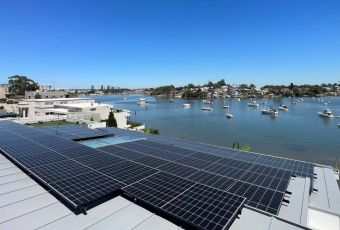
Solar Installations
Professional solar panel installation in Sydney for homes, businesses and strata properties.
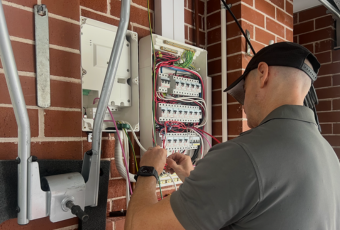
Solar Repairs
Reliable solar repairs in Sydney to fix faults, improve performance and keep your solar system working safely.
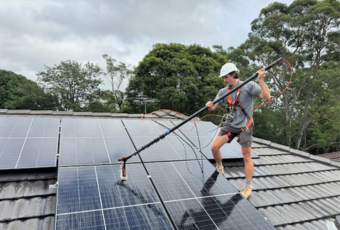
Solar Cleaning
Professional solar panel cleaning in Sydney to help improve efficiency, output and long-term system performance.
FAQs: Solar System Size in Winter
Common questions about what size solar system works best in winter.
What size solar system works best in winter?
The best solar system size for winter depends on your electricity usage, roof space, shading, battery plans and future energy needs. Many Sydney homes compare 6.6kW, 10kW and 13.2kW systems when looking for stronger winter solar performance.
Is a 6.6kW solar system enough in winter?
A 6.6kW solar system can be enough for smaller or moderate-use households, especially if the roof has good sun exposure and minimal shading. However, it may be limited for larger homes, battery charging or EV charging.
Is a 10kW solar system better for winter?
A 10kW solar system may be better for winter if your household has higher energy use, works from home, runs a pool pump, uses electric heating or plans to add a battery. It can provide more generation capacity during shorter winter days.
Is a 13.2kW solar system worth it in Sydney?
A 13.2kW solar system may be worth it for larger Sydney homes, high energy users, battery-ready properties or households planning EV charging. It should be assessed against roof space, usage, export limits and inverter design.
Do bigger solar systems produce more power in winter?
Bigger solar systems can produce more power in winter if they are well designed and not heavily shaded. However, the system still needs to match your household usage, roof and future energy plans.
Should I oversize my solar system for winter?
Oversizing may help improve winter generation, especially if you plan to add a battery or EV charger. However, oversizing should be designed carefully around inverter limits, export limits, usage and roof suitability.
What size solar system do I need for a battery in winter?
A battery needs enough excess solar energy to charge properly. In winter, a larger solar system may help provide more battery charging opportunity, but the right size depends on your battery capacity, daily usage, roof and shading.
What size solar system do I need for EV charging?
EV charging can increase household electricity use, so many homes planning EV charging compare larger solar systems such as 10kW or 13.2kW. The right size depends on driving habits, charging times, roof space and whether a battery is included.
Does roof orientation affect winter solar output?
Yes, roof orientation affects winter solar output. North-facing panels usually receive strong sunlight across the day in Sydney, while east and west-facing panels can help match morning or afternoon usage.
Is winter a good time to install solar panels in Sydney?
Yes, winter can be a good time to install solar panels. Your system can start producing immediately and be ready for higher output in spring and summer.
How do I choose the right solar system size?
To choose the right solar system size, review your electricity bills, daytime usage, roof space, shading, battery plans, EV charging plans and future energy goals. MPV Solar can assess your home and recommend a suitable system.
Can a larger solar system lower winter electricity bills?
A larger solar system may help reduce winter electricity bills if your household can use more of the solar power it generates. Savings depend on system design, usage patterns, tariffs and whether battery storage is included.
Who can help size a solar system in Sydney?
MPV Solar can assess your Sydney home, electricity usage, roof space, shading, inverter options, battery readiness and EV charging plans to recommend the right solar system size.
Blog
Related articles
Catch up on the latest MPV Solar news and insights.



MPV Solar is committed to providing industry-leading solar energy solutions across Sydney, backed by a proven track record of successfully completing over 5,000 projects. As a family-owned business, we prioritise personalised service and truly value our clients, ensuring that each system is tailored to meet your unique energy needs.
Copyright 2026. All Rights Reserved.
Created by Codex Digital and Yakka Consulting
Get in Touch
MPV Solar
Unit 3, 43-51 College St,
Gladesville NSW 2111
info@mpvgroup.com.au
(02) 9817 0333
Monday – Friday
8:30 – 5:00pm