Call Us
A Sydney Homeowner’s Guide to Winter Solar Performance, Savings and Battery Storage
Yes, solar panels do work in winter in Sydney.
This is one of the most common questions homeowners ask before installing solar, especially when winter electricity bills start rising and daylight hours feel shorter.
The good news is that solar panels do not need hot weather to generate electricity. They need sunlight. That means your rooftop solar system can still produce power during winter, even on cooler days and partly cloudy days.
However, solar output in winter is usually lower than summer output. Sydney winter brings shorter daylight hours, a lower sun angle, more shading, cloudy days, rain, leaf debris and increased household energy use. All of these can affect how much solar energy your home produces and how much electricity you still need to buy from the grid.
This guide explains how solar panels work in winter in Sydney, why output changes, how batteries can help, and what you can do to get better performance from your solar system during the colder months.
Quick Answer: Do Solar Panels Work in Winter in Sydney?
Yes, solar panels work in winter in Sydney. Solar panels generate electricity from sunlight, not heat, so cold weather does not stop your solar system from producing power.
However, solar panels usually produce less electricity in winter than they do in summer because there are fewer daylight hours, the sun sits lower in the sky, and cloud cover or shading can reduce direct sunlight.
For many Sydney homes, winter solar performance is still valuable. Your system can continue reducing daytime grid electricity use, and if you have a solar battery, you may be able to store excess solar power for evening use.
If your winter solar output drops suddenly, your inverter shows a warning or your electricity bill increases more than expected, MPV Solar can inspect your system and check whether it is performing properly.
Why Solar Panels Still Work in Winter
Solar panels work by converting sunlight into electricity.
They do not need summer heat to operate. In fact, very hot conditions can sometimes reduce panel efficiency slightly, while cooler conditions can help panels operate more efficiently if there is enough sunlight.
The main winter challenge is not the temperature. It is the amount of available sunlight.
In Sydney, winter days are shorter than summer days. The sun also sits lower in the sky, which can create longer shadows from trees, chimneys, neighbouring buildings and roof features.
That means your solar panels can still work well in winter, but they may have fewer sunlight hours each day to generate electricity.
Do Solar Panels Work on Cloudy Days in Sydney?
Yes, solar panels can still work on cloudy days in Sydney.
Solar panels can use both direct sunlight and diffuse sunlight. Direct sunlight comes straight from the sun. Diffuse sunlight is sunlight scattered through clouds and the atmosphere.
On a cloudy winter day, your solar system may still generate electricity, but output will usually be lower than on a clear sunny day.
This is why Sydney homeowners may notice solar production changing from day to day during winter. A bright, clear winter day can still deliver useful solar output. A dark, rainy or heavily overcast day will usually produce less.
The key is to look at performance over time, not just one cloudy day.
How Much Less Solar Power Do Panels Produce in Winter?
Solar panels usually produce less electricity in winter because winter days are shorter and sunlight is less intense.
The exact difference depends on your roof, panel orientation, system size, shading, weather, panel cleanliness, inverter performance and how your home uses electricity.
A north-facing solar system with minimal shading may continue to perform well during Sydney winter. A system affected by trees, neighbouring buildings or dirt build-up may see a larger seasonal drop.
This is why winter solar output should be assessed in context.
A moderate drop in winter solar production is normal. A sudden or severe drop may point to a system issue.
If your solar monitoring app shows a sharp decline, your inverter has stopped reporting, or your winter electricity bill is much higher than expected, it may be time for a solar system inspection.
Why Has My Solar Output Dropped in Winter?
Your solar output may drop in winter for several reasons.
The most common reason is shorter daylight hours. Your panels simply have less time each day to generate electricity.
Another major reason is the lower winter sun angle. In Sydney, this can create longer shadows across your roof, especially if your home is near trees, chimneys, roof vents, antennas, taller homes or apartment buildings.
Cloud cover can also reduce output. Sydney winter can bring rainy, grey or overcast days where solar generation is lower.
Dirt and debris can make the issue worse. Leaves, dust, bird droppings, salt spray, pollution and storm residue can reduce the amount of sunlight reaching your panels.
System faults can also cause reduced output. Inverter issues, battery problems, isolator faults, damaged cabling or monitoring errors may become more noticeable in winter when solar production is already lower.
If your solar output has dropped in winter and you are not sure why, MPV Solar can inspect your system and identify whether the issue is seasonal or performance-related.
Do Solar Panels Work Better in Cold Weather?
Solar panels can operate efficiently in cooler conditions, but they still need sunlight.
Cold weather itself is not the problem. A clear cold day can still be good for solar production.
The issue in winter is that there are fewer daylight hours and the sun is lower in the sky. This means your system usually has less total solar energy available across the day.
So, while panels can work well in cooler temperatures, your overall winter generation may still be lower than summer because of reduced sunlight hours.
For Sydney homeowners, the best winter solar performance usually comes from clear panels, minimal shading, a healthy inverter and a well-designed system.
Do Solar Panels Save Money in Winter?
Yes, solar panels can still help reduce electricity bills in winter.
Your solar system can continue powering daytime household usage, such as appliances, lighting, home office equipment, pool pumps, hot water systems, air conditioning and other electrical loads.
The savings depend on how much electricity you use during the day and how much solar your system generates.
If your household uses more electricity in the evening, your winter savings may be lower unless you have a battery. That is because solar panels produce power during daylight hours, while many homes use more power after sunset.
A solar battery can help by storing excess solar power generated during the day so it can be used later in the evening or overnight.
This is why many Sydney homeowners are now looking at solar and battery systems together.
Can a Solar Battery Help in Winter?
Yes, a solar battery can help improve the value of your solar system in winter, especially if your home uses a lot of power after sunset.
During the day, your solar panels can charge the battery when there is excess solar generation. Later, when the sun goes down, your home can use stored battery power instead of buying as much electricity from the grid.
In winter, your battery may not charge as fully as it does in summer because there are fewer daylight hours. However, a well-sized solar and battery system can still help reduce evening grid usage.
A battery may be especially useful for homes with high evening energy demand, work-from-home households, families using heating and cooking appliances, homes with pool pumps, and properties preparing for EV charging.
MPV Solar can assess whether your current solar system is battery-ready or whether a new solar and battery installation would better suit your home.
Is Winter a Good Time to Install Solar Panels in Sydney?
Yes, winter can be a good time to install solar panels in Sydney.
Many people wait until summer to think about solar, but winter is often when homeowners notice higher electricity bills and start looking for ways to reduce costs.
Installing solar in winter means your system can start generating electricity straight away and be ready to produce more as the days get longer heading into spring and summer.
Winter can also be a practical time to review your energy usage, plan for battery storage and prepare your home for future energy needs such as EV charging or smart energy management.
If you are considering solar installation in Sydney, you do not need to wait for summer.
MPV Solar can assess your roof, electricity usage, switchboard, battery options and future energy goals to design a solar system suited to your home.
Is Winter a Good Time to Add a Solar Battery?
Winter can be a useful time to consider adding a solar battery, especially if your electricity bills are rising and your home uses more power in the evening.
A battery can store excess solar power during the day and help reduce grid electricity use after sunset.
Before adding a battery, your existing solar system should be checked. MPV Solar can assess whether your current inverter is compatible, whether your switchboard is suitable, whether your solar system is large enough, and whether your battery size matches your usage.
A battery may not be the right fit for every home, but for many Sydney households it can improve solar self-consumption and provide more control over energy use.
How Sydney Roof Orientation Affects Winter Solar Output
Roof orientation can affect how well solar panels perform in winter.
North-facing panels usually receive strong sun exposure across the day in Sydney. East-facing panels can generate more power in the morning, while west-facing panels can generate more in the afternoon.
In winter, the lower sun angle can make roof orientation and shading more important.
A roof that performs well in summer may still be affected by winter shadows from trees, chimneys, neighbouring homes or nearby buildings.
This does not mean solar is not worth it. It means system design matters.
A properly designed solar system should consider your roof direction, pitch, available space, shading patterns and household energy usage.
MPV Solar can assess your roof and design a solar system that works with your property, not against it.
Does Shading Affect Solar Panels More in Winter?
Yes, shading can be a bigger issue in winter.
Because the sun sits lower in the sky, shadows are longer. Trees, chimneys, vents, antennas, neighbouring homes and apartment buildings can cast shadows across solar panels during parts of the day.
Even partial shading can reduce solar performance, depending on your system design.
If you have noticed your winter solar output dropping at certain times of the day, shading may be part of the reason.
A professional solar assessment can help determine whether shading is seasonal, whether trees can be trimmed, whether panel-level monitoring is needed, or whether your system design should be reviewed.
Do Dirty Solar Panels Affect Winter Performance?
Yes, dirty solar panels can affect winter performance.
When daylight hours are already shorter, dirt and debris can make solar output worse.
Common Sydney issues include bird droppings, dust, leaves, pollution, salt spray in coastal suburbs, grime near busy roads and residue after storms.
Dirty panels can block sunlight and reduce the amount of energy your system generates.
For many Sydney homes, professional solar panel cleaning every 6 to 12 months can help maintain system performance, depending on location and exposure.
Homes near trees, birds, coastal air, construction sites, industrial areas or heavy traffic may need cleaning more often.
Winter Solar Maintenance Tips for Sydney Homes
A few simple checks can help your solar system perform better through winter.
Start by checking your solar monitoring app or inverter display. Look for error messages, warning lights, missing data or unusually low output.
Compare your current generation with previous months or the same time last year if your app allows it.
Look at your panels from the ground and check for visible dirt, leaves, bird droppings, shading or damage.
Check whether winter shadows from trees or buildings are affecting your panels.
If you have a battery, check whether it is charging and discharging normally.
Review your electricity bills and look for unexpected increases.
Book professional solar panel cleaning or a solar system inspection if your system appears to be underperforming.
Never climb on the roof, open solar equipment or attempt electrical repairs yourself.
How to Tell If Your Solar System Has a Winter Fault
Lower solar production in winter can be normal, but some warning signs should not be ignored.
Your solar system may have a fault if the inverter shows an error code, the monitoring app stops updating, output drops suddenly, solar production stops completely, your battery is not charging, safety switches trip, panels look damaged or your electricity bill increases unexpectedly.
You should also book a solar inspection if your system has not been checked in several years or if it has been affected by storms, roof work or visible damage.
Solar systems include electrical components, so repairs should be handled by qualified professionals.
MPV Solar provides solar system inspections, solar repairs, inverter checks, battery support and solar panel cleaning across Sydney.
Do Solar Panels Work During Rain?
Yes, solar panels can still generate some electricity during rain if there is daylight, but output is usually reduced.
Rainy conditions often mean more cloud cover, which reduces sunlight reaching the panels.
Rain can help wash away some dust, but it does not always clean panels properly. Bird droppings, salt spray, grime and sticky residue may remain even after rain.
If your panels are visibly dirty or your output is lower than expected, professional solar panel cleaning may still be worthwhile.
Do Solar Panels Work During Storms?
Solar panels can generate electricity during stormy weather if there is enough daylight, but output will usually be lower because of heavy cloud and reduced sunlight.
Storms can also create maintenance issues.
High winds, debris, branches, hail, roof leaks or electrical faults can affect solar panels, mounting systems, isolators, cabling or inverters.
If your solar output drops after a storm, or you notice visible damage, book a professional solar inspection.
Do not touch damaged solar equipment or cabling.
What Size Solar System Works Best in Winter?
The best solar system size depends on your household energy usage, roof space, budget, future battery plans and when you use electricity.
A larger solar system may generate more power in winter, but it still needs to be sized properly.
Oversizing without understanding your usage, export limits and battery plans may not deliver the best return.
For many Sydney homes, a strong solar design should consider current electricity bills, daytime usage, roof orientation, shading, inverter capacity, future battery storage, EV charging and household growth.
MPV Solar can review your usage and design a solar system that is practical for winter performance and long-term savings.
Can Solar Panels Cover Heating Costs in Winter?
Solar panels can help offset some winter electricity use, including electric heating, reverse-cycle air conditioning, heat pump hot water and other daytime loads.
The best results usually happen when heating is used during daylight hours while solar is generating.
If most heating is used at night, a solar battery may help by storing daytime solar energy for later use.
For Sydney homes moving away from gas or planning more electric appliances, solar and battery design should consider winter energy use carefully.
Should You Upgrade an Older Solar System Before Winter?
If your solar system is older, winter can be a good time to review performance.
Older systems may have lower output, outdated inverters, limited monitoring, ageing panels, worn isolators or components that no longer match your household usage.
If your system was installed many years ago, it may also be too small for modern energy needs such as working from home, EV charging, solar batteries or all-electric appliances.
A solar health check can help determine whether your system needs cleaning, repair, inverter replacement, battery integration or a full upgrade.
MPV Solar can assess older solar systems in Sydney and recommend practical next steps.
Solar Panels, Batteries and EV Charging in Winter
Winter is a good time to think about how your home energy system works as a whole.
Solar panels generate power during the day.
A battery can store excess solar power for later.
An EV charger can be timed to use solar energy where practical.
Together, solar, battery storage and EV charging can help create a smarter home energy setup.
If you are planning to add a battery or EV charger, it is important to check whether your solar system is large enough, whether your switchboard is suitable and whether your inverter setup is compatible.
MPV Solar can help design solar, battery and EV charging systems for Sydney homes.
Are Solar Panels Worth It in Sydney If Winter Output Is Lower?
Yes, solar panels can still be worth it in Sydney even though winter output is lower than summer output.
Solar should be assessed across the whole year, not just one season.
Sydney receives useful sunlight across all seasons, and a properly designed solar system can reduce grid electricity use throughout the year.
Winter may produce less energy than summer, but the system can still contribute to savings, especially if your household uses power during the day or has a battery.
The key is choosing the right system size, quality components and a trusted solar installer.
Why Choose MPV Solar for Solar Panels in Sydney?
MPV Solar installs and supports solar systems across Sydney, helping homeowners choose practical, reliable solar and battery solutions designed around real household energy use.
Our team can assess your roof, energy bills, solar performance, battery options, inverter setup and future energy plans.
As part of MPV Group, MPV Solar brings together solar and electrical expertise under one team. That matters because a good solar system is not just about panels. It also needs the right inverter, switchboard suitability, safe installation, monitoring and long-term support.
Whether you are installing solar for the first time, adding a battery, upgrading an older system or checking winter performance, MPV Solar can help.
Get Solar Advice Before Winter Bills Rise
Solar panels do work in winter in Sydney, but system design, shading, panel cleanliness, inverter health and battery storage can all affect performance.
If you are comparing solar panels, batteries or system upgrades, now is a good time to get clear advice.
If you are searching for do solar panels work in winter Sydney, solar panels in winter Sydney, winter solar performance Sydney, solar output winter Sydney, solar battery winter Sydney, solar panel cleaning Sydney or solar installation Sydney, MPV Solar can help.
Talk to MPV Solar today about solar panel installation, solar batteries and winter solar performance for your Sydney home.
Complete Solar Solutions
Solar Installations, Repairs & Cleaning Across Sydney
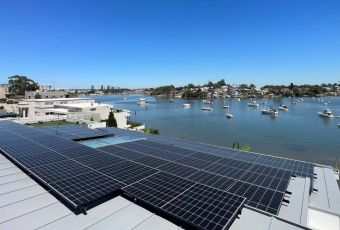
Solar Installations
Professional solar panel installation in Sydney for homes, businesses and strata properties.
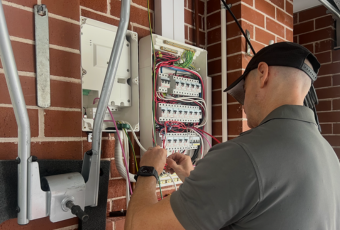
Solar Repairs
Reliable solar repairs in Sydney to fix faults, improve performance and keep your solar system working safely.
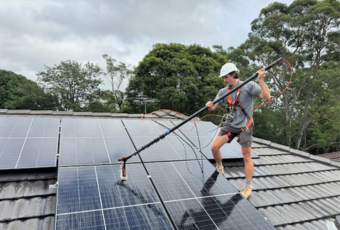
Solar Cleaning
Professional solar panel cleaning in Sydney to help improve efficiency, output and long-term system performance.
FAQs: Do Solar Panels Work in Winter
Common questions about the performance of solar panels in Winter in Sydney.
Do solar panels work in winter in Sydney?
Yes, solar panels work in winter in Sydney. Solar panels generate electricity from sunlight, not heat, so cold weather does not stop them working. However, winter output is usually lower because there are fewer daylight hours and the sun sits lower in the sky.
Do solar panels work on cloudy days?
Yes, solar panels can still generate electricity on cloudy days. Output is usually lower than on clear sunny days because less direct sunlight reaches the panels.
Why is my solar output lower in winter?
Solar output is usually lower in winter because there are shorter daylight hours, a lower sun angle, more cloud cover and more potential shading. Dirt, debris, inverter faults or battery issues can also reduce winter performance.
Are solar panels less efficient in winter?
Solar panels can operate efficiently in cooler weather, but they usually produce less total electricity in winter because there is less sunlight available across the day.
Do solar panels need heat to work?
No. Solar panels do not need heat to work. They convert sunlight into electricity, not heat. This means they can still work on cold winter days.
Will solar panels still save money in winter?
Yes, solar panels can still help reduce electricity bills in winter, especially if your household uses power during the day. Savings may be lower than summer because solar generation is usually lower.
Can a solar battery help in winter?
Yes, a solar battery can help by storing excess solar energy generated during the day for use in the evening or overnight. In winter, the battery may not charge as fully as in summer, but it can still improve solar self-consumption.
Is winter a good time to install solar panels in Sydney?
Yes, winter can be a good time to install solar panels in Sydney. Your system can start generating straight away and will be ready for stronger output as daylight hours increase in spring and summer.
Does shading affect solar panels more in winter?
Yes, shading can be more noticeable in winter because the sun sits lower in the sky and shadows are longer. Trees, buildings, chimneys and roof features can affect winter solar performance.
Should I clean my solar panels in winter?
Solar panel cleaning can help if dirt, bird droppings, leaves, salt spray or grime has built up on the panels. Clean panels can perform better, especially when winter daylight hours are shorter.
How do I know if my solar system has a fault?
Warning signs include inverter error codes, low output, no monitoring data, sudden production drops, battery charging issues, tripping safety switches or unexpectedly high electricity bills.
Do solar panels work in rain?
Solar panels can still generate some electricity during rain if there is daylight, but output is usually lower because of cloud cover. Rain may wash off some dust, but it does not always clean panels properly.
What size solar system is best for winter?
The best solar system size depends on your energy usage, roof space, shading, budget, battery plans and future needs. MPV Solar can assess your Sydney home and recommend a suitable system.
Are solar panels worth it in Sydney if winter output is lower?
Yes, solar panels can still be worth it in Sydney. Solar should be assessed across the whole year, not just winter. A well-designed system can reduce grid electricity use across all seasons.
Who installs solar panels in Sydney?
MPV Solar installs solar panels and battery systems across Sydney. The team can assess your roof, electricity usage, inverter options, battery readiness and long-term energy goals.
Blog
Related articles
Catch up on the latest MPV Solar news and insights.



MPV Solar is committed to providing industry-leading solar energy solutions across Sydney, backed by a proven track record of successfully completing over 5,000 projects. As a family-owned business, we prioritise personalised service and truly value our clients, ensuring that each system is tailored to meet your unique energy needs.
Copyright 2026. All Rights Reserved.
Created by Codex Digital and Yakka Consulting
Get in Touch
MPV Solar
Unit 3, 43-51 College St,
Gladesville NSW 2111
info@mpvgroup.com.au
(02) 9817 0333
Monday – Friday
8:30 – 5:00pm